7 Sneakers With The Best Shock Absorption in 2025

We buy shoes ourselves. We earn commissions when you buy through us, at no extra cost. Why trust us
When you put the sneakers on, fresh out of the box, the first sensation is usually the softness. Many correlate that with comfort. However, especially for prolonged use, it’s the shock absorption that’s to thank for comfort. Shock absorption is responsible for other things as well and we cover them, along with many more details and related tests, in this guide. For those in a hurry, a selection of the best (out of the best) sneakers with high shock absorption is highlighted.
How we test Sneakers with the shock absorption
All the tests we performed are standardized, which means all sneakers are tested under the same conditions (e.g., same forces applied, duration of the test, temperature, etc.).
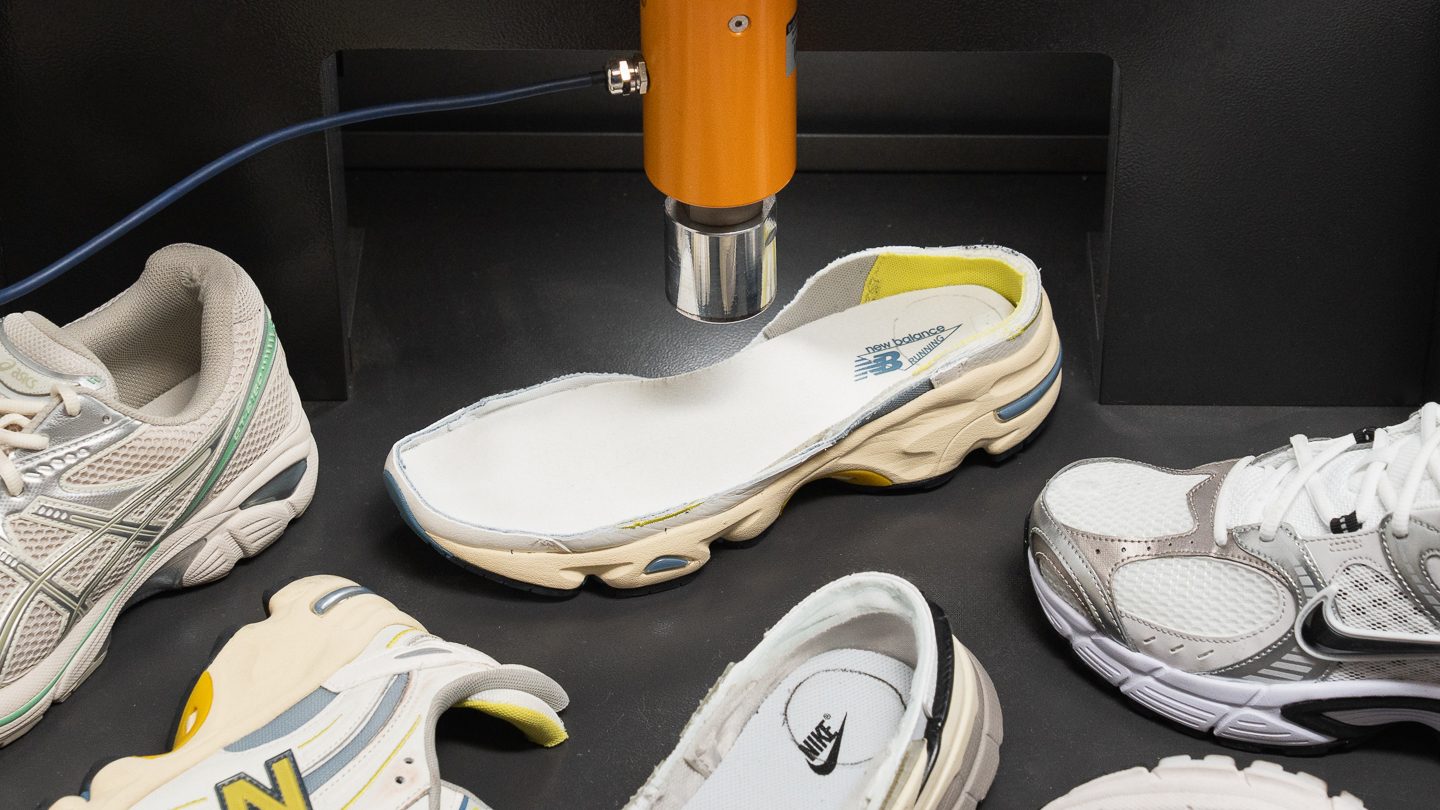
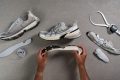
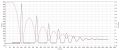
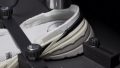
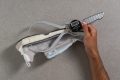
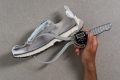
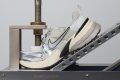
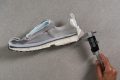
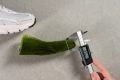
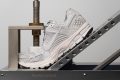
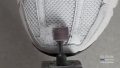
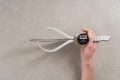
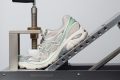
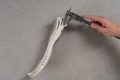
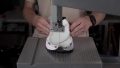
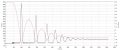
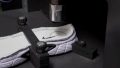
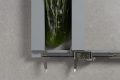
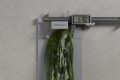
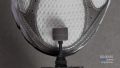
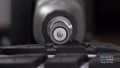
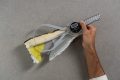
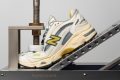
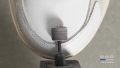
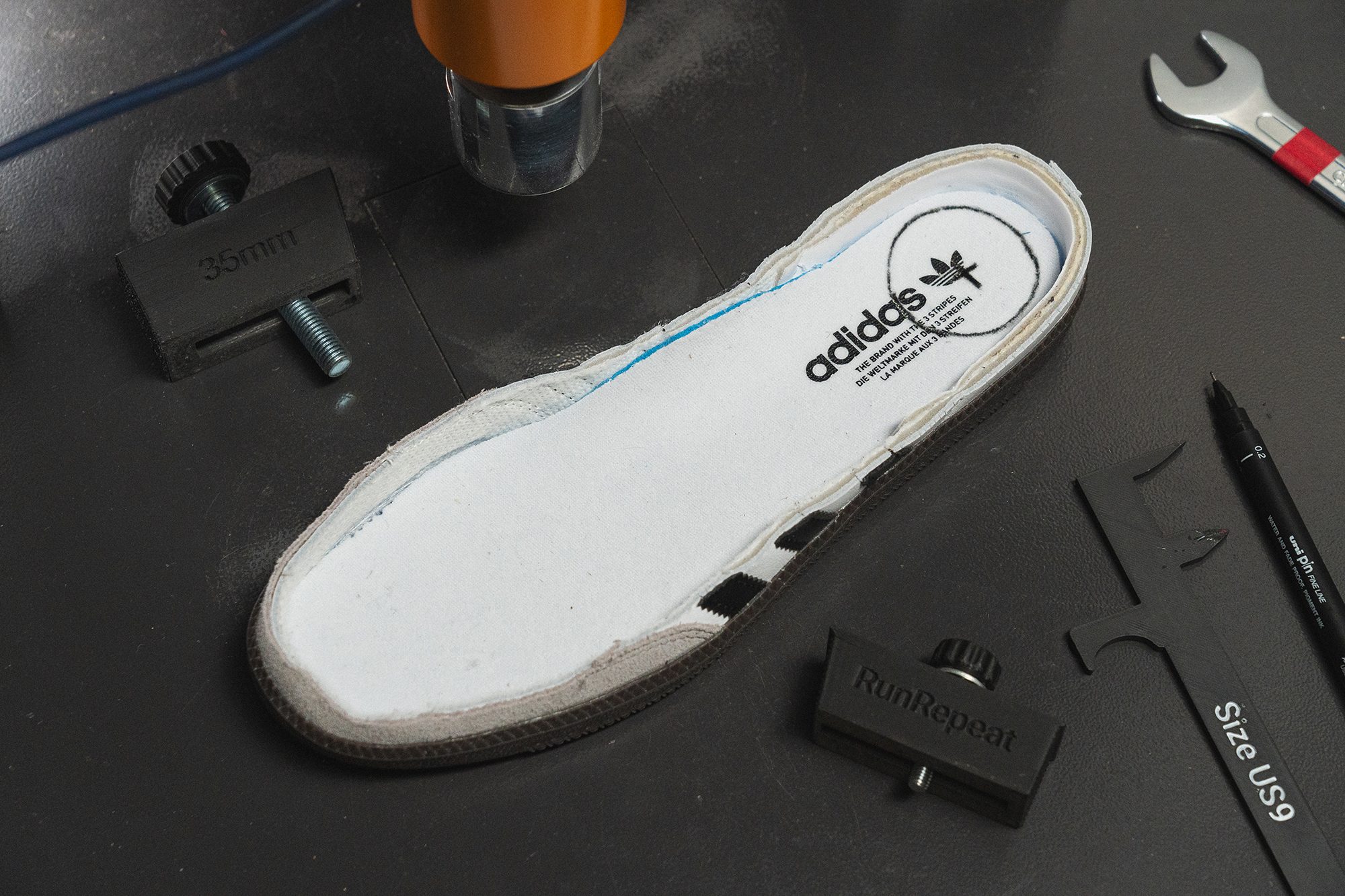
The shock absorption test is done according to the ASTM F1976-13 methodology. This specifically means that we remove the upper from the sneaker, lock the platform in place, and then drop an 8.5kg mass from a 50 mm height onto the heel, at exactly 12% of the inner sneaker length. Total energy input equals 5 J. We repeat this 25 times to mimic the natural break in and another 5 times for the lab data that we use by calculating the average.
These lab tests are done in our independent lab, which is kept independent by not accepting brand deals, ambassadors, or having any other contracts with the brands. All the footwear we test was bought with our own money.
Best sneakers with high shock absorption overall

















What makes it the best?
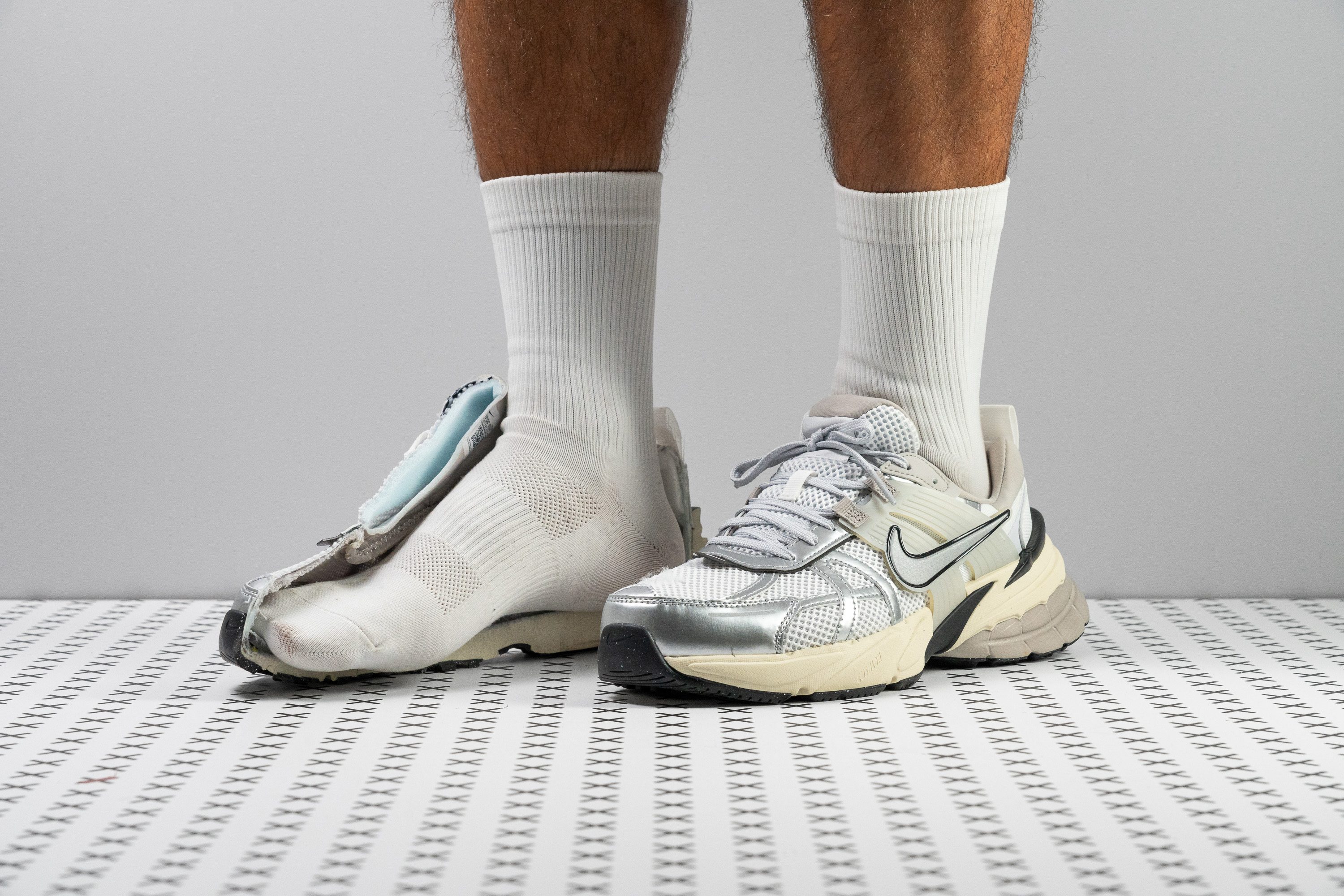
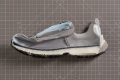
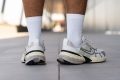
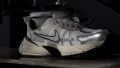
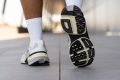
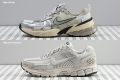
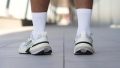
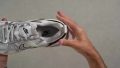
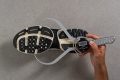
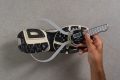
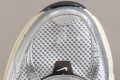
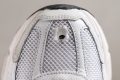
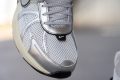
With its porous mesh, airy build, and deep cushioning, our feet enjoyed its refreshing ride. Our lab results validate its pleasant aura through its flexibility, yet it shines the most as our top high shock absorption sneaker.
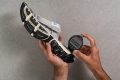
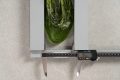
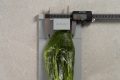
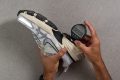
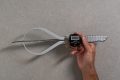
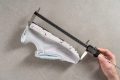
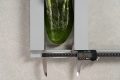
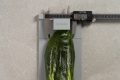
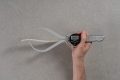
Comfort is enhanced by its impact protection and broad dimensions. Our shock absorption verifies a high score of 123 SA, 38.2% above average. Moreover, it has generous cushioning to protect us from ground feel, with caliper measurements of 33.9/21.2 mm.
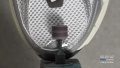
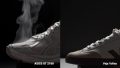
The V2K Run doesn’t allow sweat and heat to build up, even during the hottest days. In the lab, the smoke we pumped into the shoe instantly escaped. We couldn’t help but award it the maximum 5/5 breathability score, aligning with the breezy experience we had in our walks.
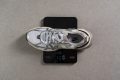
It’s a breath of fresh air, further enhanced by its feathery and bendable midsole. Our scales show it’s only 11.1 oz (315g), 19.2% lighter than average! In our flex test, it emerged 28.6% more adaptive than average, boosting its adaptability and maneuverability.
However, its toebox tapers more aggressively than average. Those who require more space for wide or swollen feet should consider a different pair.
Pros
- Fantastic cushioning for all-day wear
- Highly responsive and lively ride
- Surprisingly stable and supportive
- Comfortable in-shoe feel
- Excellent breathability for summer
- Secure lockdown and heel hold
- Notably lighter than average
- Reliable outsole grip
Cons
- Limited men's sizes and colors
- Pronounced toebox tapering
Most breathable sneakers with high shock absorption



















What makes it the best?
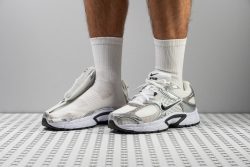
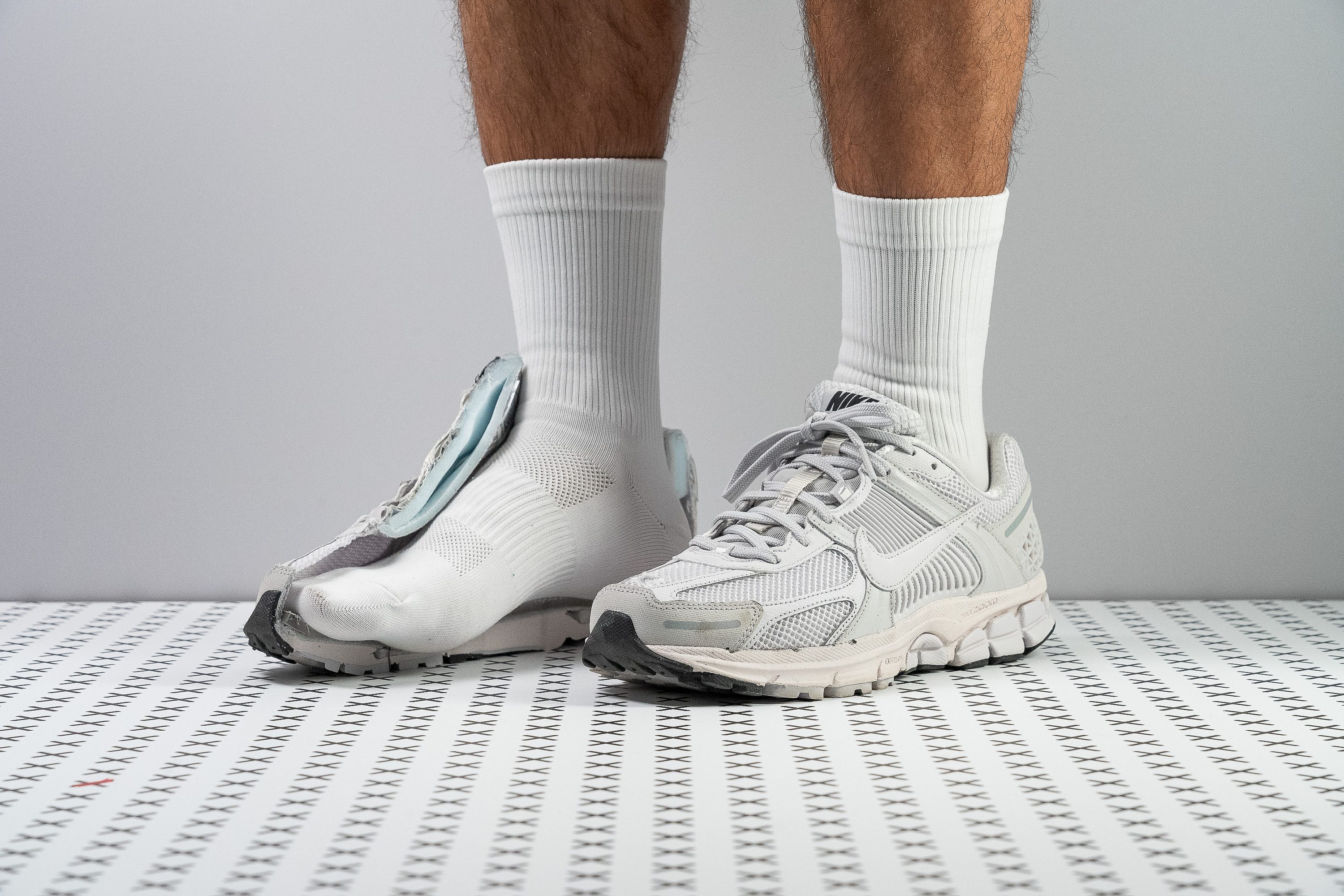
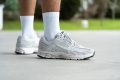
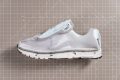
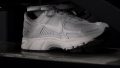
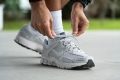
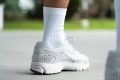
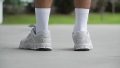
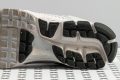
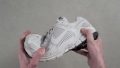
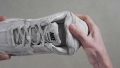
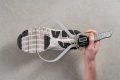
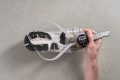
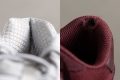
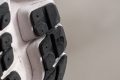
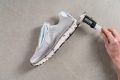
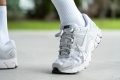
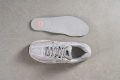
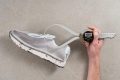
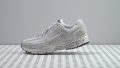
The Nike Zoom Vomero 5 feels like a dream in the summer, with its refreshing sensation from top to bottom allowing us to go on about our day without discomfort. Our lab assessment shows it features an ultra-thin upper that allows seamless airflow, with its light and flexible build enhancing its airiness. Moreover, the cushion underneath reduces leg fatigue with its joint-protective stack. Among high shock absorption sneakers, it takes the lead for breathability.
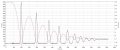
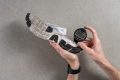
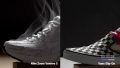
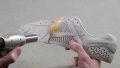
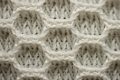
We tested the mesh upper in our light and smoke test, and its highly permeable nature is evident. We would rate it a 6/5 in breathability if possible. On foot, the maximum ventilation we enjoyed effectively avoided sweat and heat build-up.
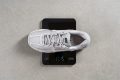
Zoom Vomero 5’s soothing nature is enhanced by its light and loose construction. At only 11.2 oz (316g), it’s 19.0% lighter than average and feels far from being a burden. It doesn’t resist our movements, which adds to its weightless feel, emerging 14.3% more pliable than average in our flex test.
The midsole takes good care of our muscles and joints, with an extra layer of protection courtesy of the Zoom Air units. We measured for shock absorption in the heel and recorded 112 SA, meaning it reduces the forces of landing 25.8% better than average, explaining its gentle sensation underfoot.
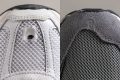
However, the upper’s breathability compromised its wear resistance. Those looking for a more structured toebox should check other pairs.
Pros
- Nostalgic 2000s aesthetic
- Excellent breathability for summer
- Cushioned like a running shoe
- Lighter than average
- Very comfy in-shoe feel
- Flexible and forgiving on foot
- Wear-resistant outsole and inner lining
- Better lockdown with a gusseted tongue
Cons
- Mesh is easy to tear
- Not for flat feet/overpronation
- Can be slippery on wet
- Pricey
Best wide sneakers with high shock absorption




















What makes it the best?
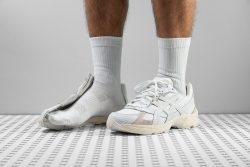
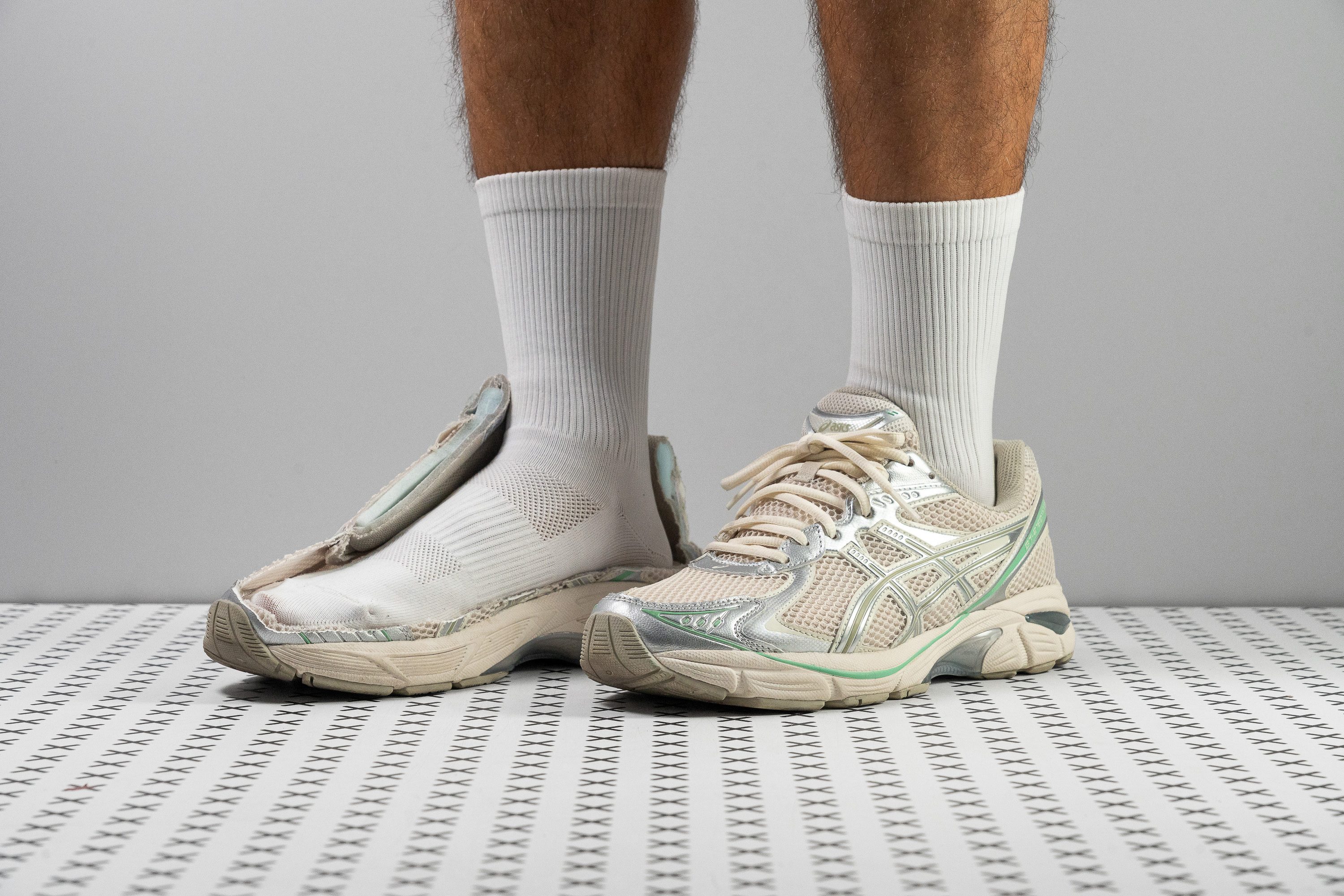
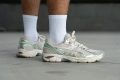
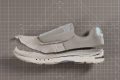
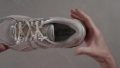
The ASICS GT 2160 boasts incredible flexibility and cushioning in its streamlined package. Despite its low weight, it surprises us with a forgiving fit, accommodating those with broad feet or bunions with ease. Among high shock absorption sneakers we evaluated in the lab, the GT 2160 has the best wide fit.
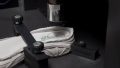
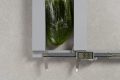
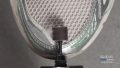
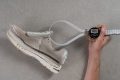
We created a gel mold to measure the shoe’s interiors. At the ball of the foot, we recorded a spacious 97.0 mm, making it much more accommodating than the 92.5 mm average. We had no pressure points even if we wore our thickest socks.
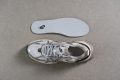
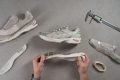
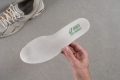
We cut the midsole in half and found the GEL insert in the heel. Each touchdown feels cushioned, protecting our muscles and joints for long hours of walking. In our shock absorption test, we verified its softness with a high 105 SA reading.
Because the stack isn’t too thick, GT 2160 keeps its midsole maneuverable. In our bend test, it emerged 32.3% more flexible than average. This malleability, together with its low 12.0 oz (340g) build, boosts the sneaker’s versatility and comfort for all-day wear.
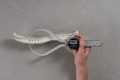
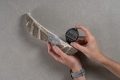
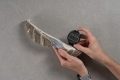
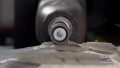
However, we found the mesh upper extremely fragile as our Dremel ripped it instantly. It’s best to exercise caution in this area when using GT 2160.
Pros
- Very stable and supportive
- Super lightweight structure
- Breathable design
- Great for all-day wear
- GEL technology
- Durable outsole
- Trendy retro sporty clean style
Cons
- Upper lacks durability
- Not the best for running
High shock absorption sneakers with the best traction









What makes it the best?
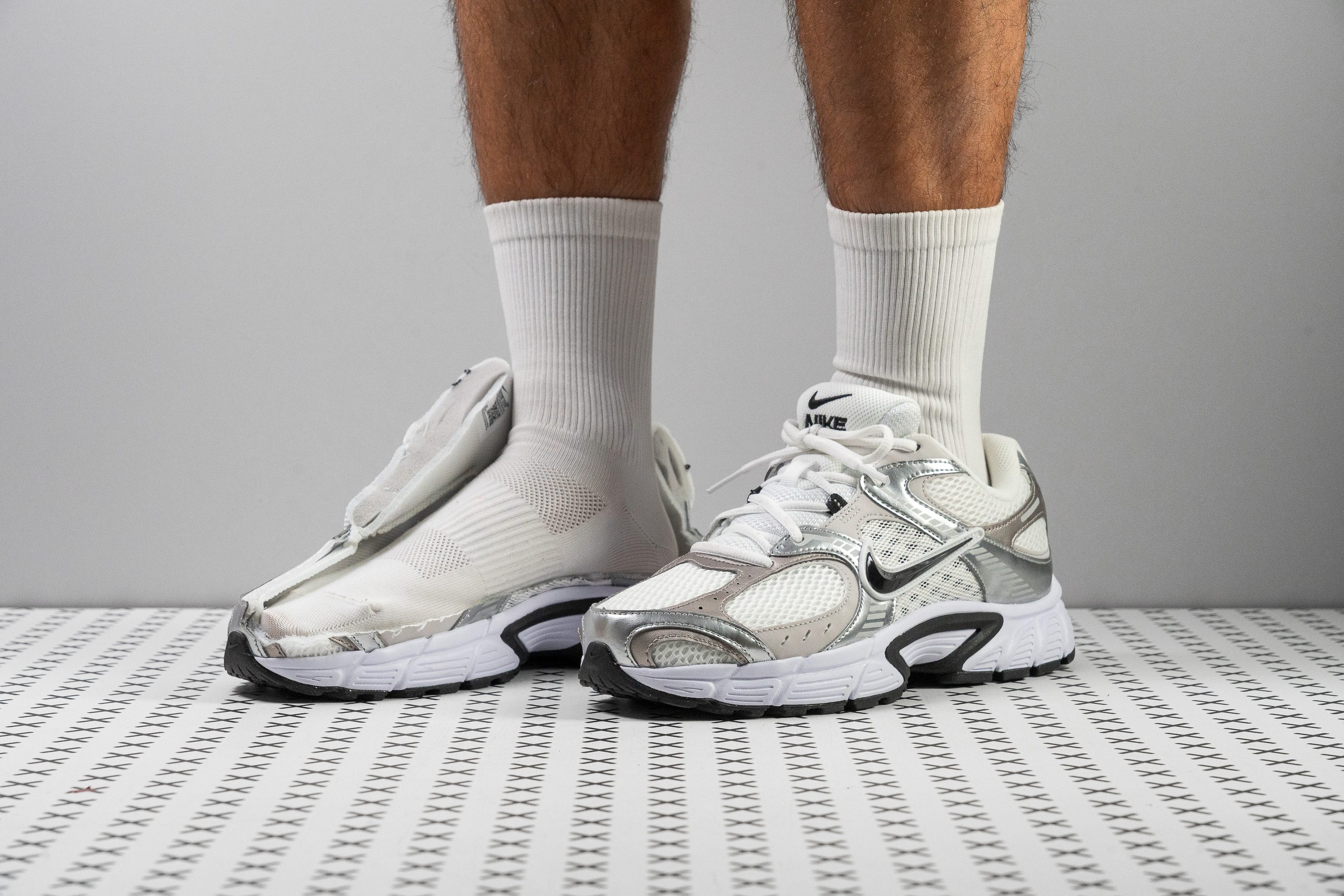
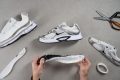
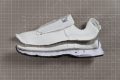
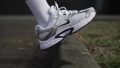
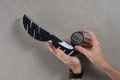
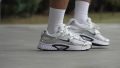
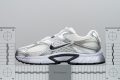
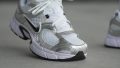
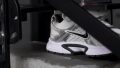
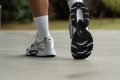
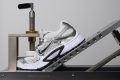
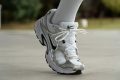
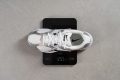
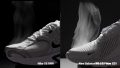
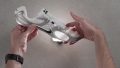
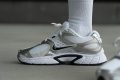
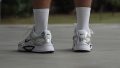
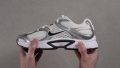
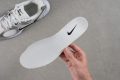
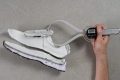
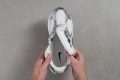
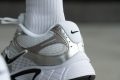
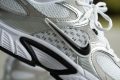
The Nike V5 RNR is ideal for indoor and outdoor wear, with its slip-proof and impact-dampening base. We felt confident strutting the streets in this chunky, retro-looking sneaker. In the lab, it performs exceptionally well in our stability and friction tests, making it the high shock absorption sneaker with the best traction.
Whether we encounter slippery tiles or icy sidewalks, the V5 RNR avoids any kind of missteps. In our wet-condition test, we recorded a whopping friction rating of 0.73, showing 69.8% stronger traction than average!
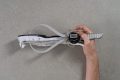
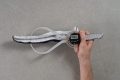
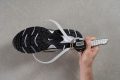
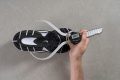
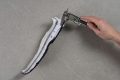
Besides its iron-grip, our solid footing stems from the wide and rigid base. Our caliper verifies above-average dimensions of 114.0/89.4 mm. Meanwhile, it resisted twisting firmly in our manual test, rating a high 4/5 in torsional rigidity.
The midsole packs tons of comfort, with its tall 35.4/23.9 mm platform and its fatigue-reducing foam. Testing for shock absorption, it returned one of the highest we’ve seen in sneakers at 121 SA, proving its lasting comfort.
However, it will only feel good for all-day wear in cold weather. Its limited breathability will make us sweat and overheat in the summer.
Pros
- Unbelievable shock absorption for the price
- Light rocker makes the ride smoother
- Good support and stability for flat feet
- Insane outsole traction on wet and dry
- Extra puffy tongue and collar
- Comfortable in-shoe feel
- Fantastic value for money
Cons
- Snug and narrow fit (not for wide feet)
- Not as breathable as it appears
Best retro sneakers with high shock absorption


















What makes it the best?
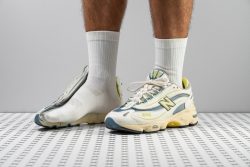
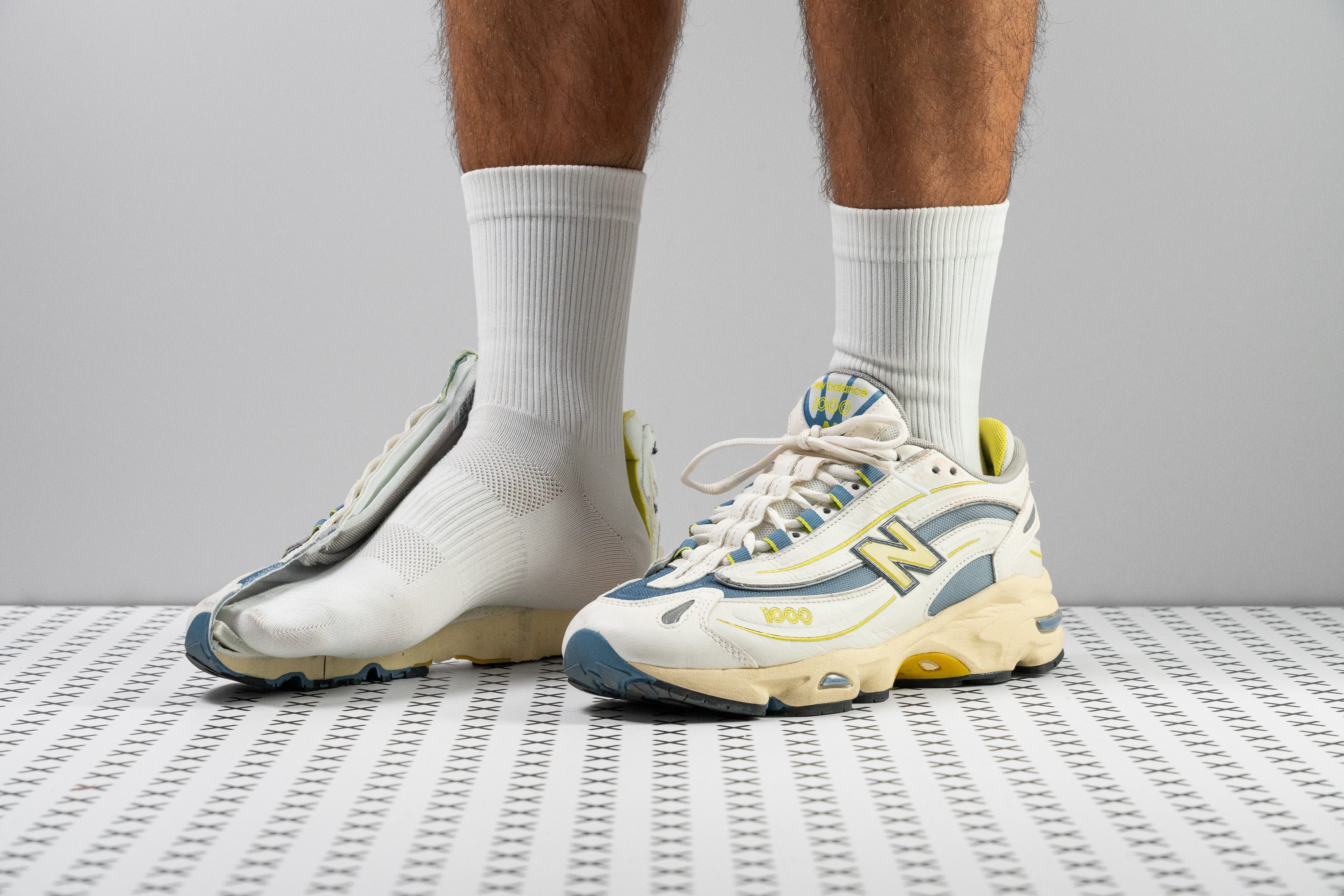
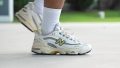
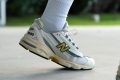
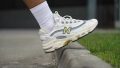
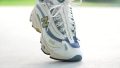
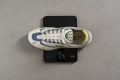
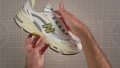
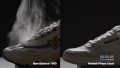
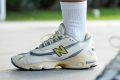
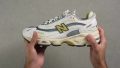
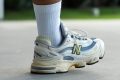
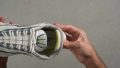
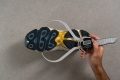
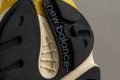
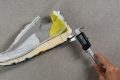
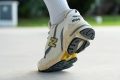
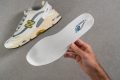
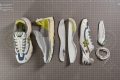
A wave of nostalgia hits as soon as we get our hands on the New Balance 1000, making it our best retro high shock absorption sneaker. Besides its old-school vibe, it’s easy to strut around all day in its padded interiors and light and loose build. Moreover, our lab results show its exceptional combination of impact protection and stability.
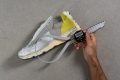
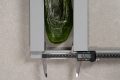
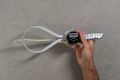
The New Balance 1000 offers generous cushioning, reaching a stack height of 36.5/25.2 mm. Moreover, its impressive shock absorption took the load off our legs. With its 122 SA result, we could stay on foot for hours on end.
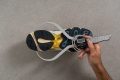
Despite its plush sensation, we never felt like losing our balance because of the Stability Web. We felt its effect in terms of twist resistance, proven by its solid 4/5 torsional rigidity score. Moreover, its spacious 111.9/90.4 mm base helps secure our footing.
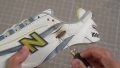
Thankfully, the structure doesn’t compromise longitudinal flexibility. In our bend test, New Balance 1000 emerged 12.0% more malleable than average, making it easy to maneuver. Moreover, its minimal 13.2 oz (373g) build enhances its effortless sensation.
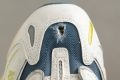
However, the upper and the inner lining are highly susceptible to damage. Those who easily wear out these parts of their sneakers should go for a more durable pair.
Pros
- Really comfortable for all-day wear
- Soft and protective cushioning
- Great lockdown and surefootness
- Nice stability (wide platform)
- Lightweight on foot but with padded interiors
- Incredibly breathable
- Real suede
- Super stylish
- Trendy retro vibe
- Great traction for city streets
Cons
- Frail mesh components
- Tongue might be too long for some
Best dad shoes with high shock absorption

































What makes it the best?
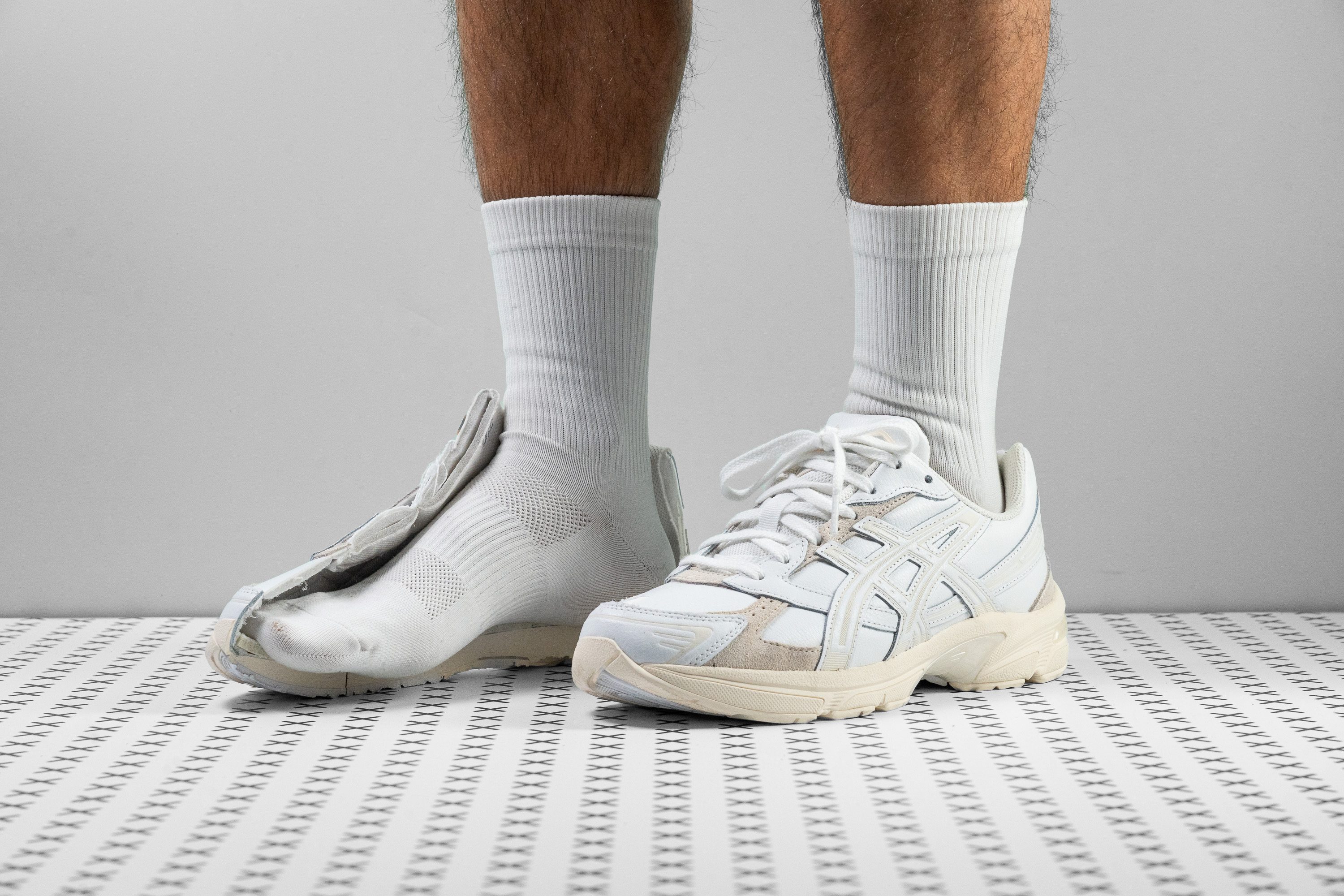
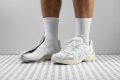
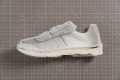
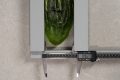
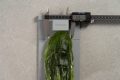
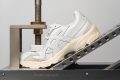
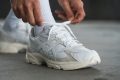
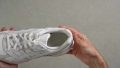
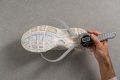
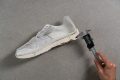
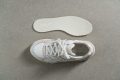
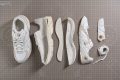
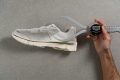
The ASICS Gel 1130 is inspired by the past, in terms of its retro look and the classic running technologies it holds. It helps us last on foot for long hours by offering a beautiful blend of comfort through its GEL cushioning and support through its grippy base and TRUSSTIC system. Among high shock absorption running sneakers in the lab, it’s our best dad shoe.
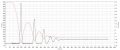
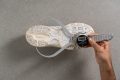
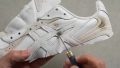
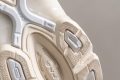
We felt like we were on cloud 9 with Gel 1130’s plush and gentle aura. Our sliced midsole reveals the GEL technology in the heel and forefoot, enhancing shock absorption. Our lab test verifies its impact protection with a high 114 SA rating in the rear, since we land heel-first on our walks.
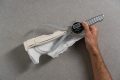
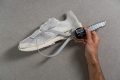
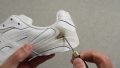
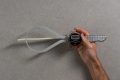
Designed previously to be a stability running shoe, it features the TRUSSTIC support system, which generates solid twist resistance. In our manual assessment, we awarded it a high 4/5 in torsional rigidity.
Underfoot, the grippy outsole offers steady footing and controlled movement. Testing for its traction, we recorded a high 0.55 score, making it 27.9% grippier than average!
However, all these elements increased the shoe’s resistance to bending. Sneakerheads who prefer a more natural underfoot sensation should go for flexible midsoles.
Pros
- Comfortable for all-day wear
- Stable platform
- Top-notch materials
- Excellent craftsmanship
- Supportive foothold
- Grippy, running-inspired outsole
- Feels lightweight with a padded interior
- Roomy at the big toe
- Real suede and leather
- Cool 90s dad shoes retro vibe
Cons
- The leather version lacks breathability
- Quite stiff
High shock absorption sneakers with the best value












What makes it the best?
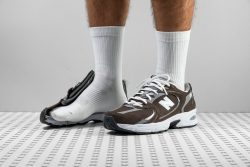
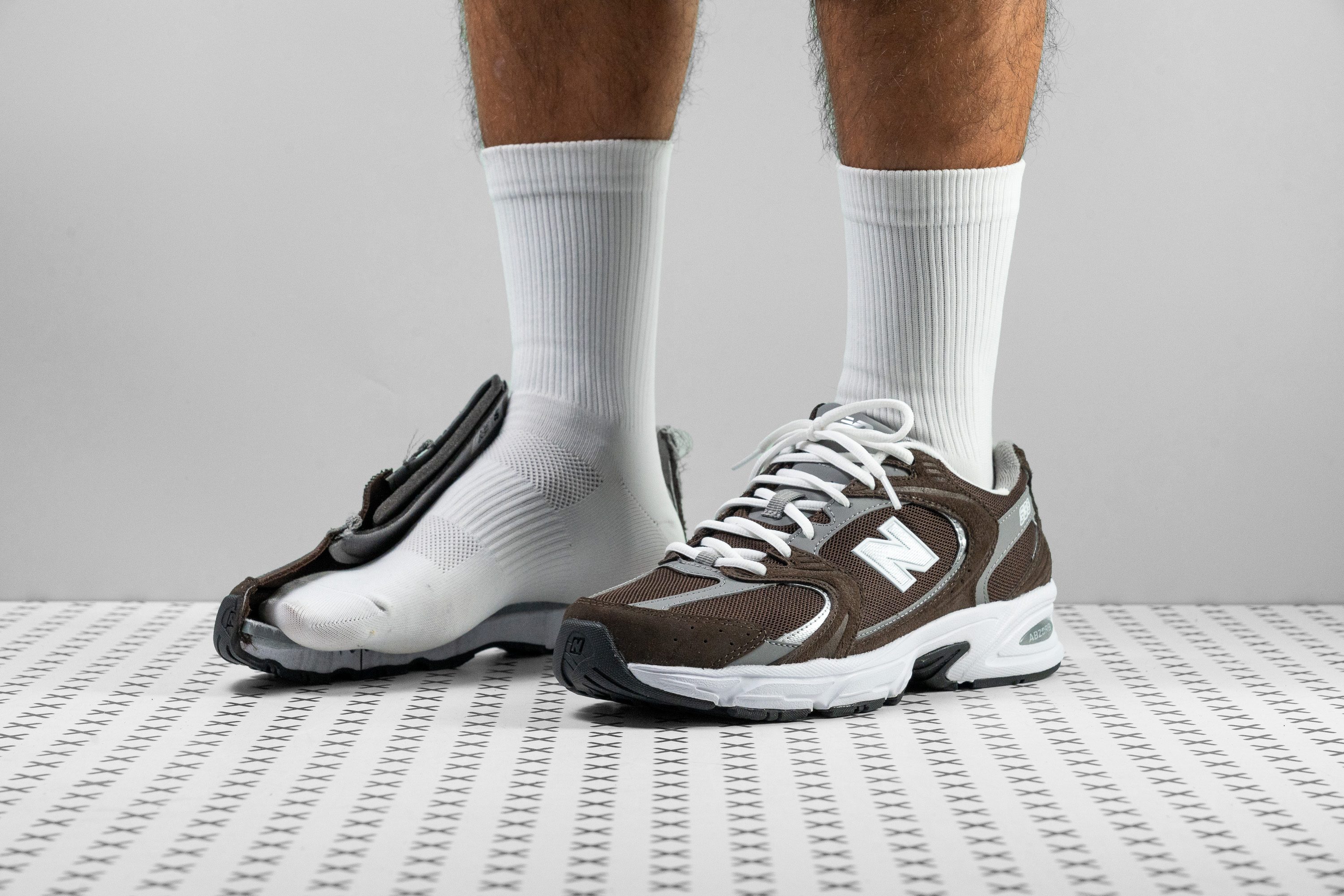
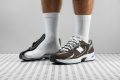
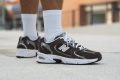
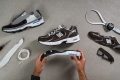
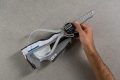
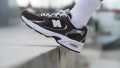
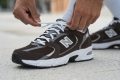
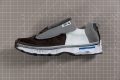
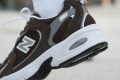
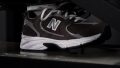
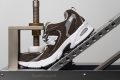
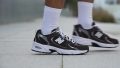
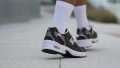
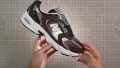
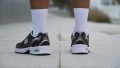
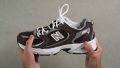
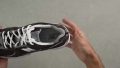
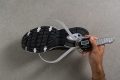
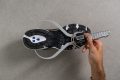
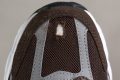
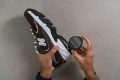
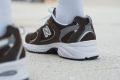
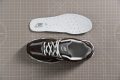
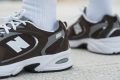
The New Balance 530 kept us happy on our feet all day long, delivering lasting comfort in its light and flexible package. Its outsole can take a beating and promises sturdiness, proven by lab tests. For only $100, it offers the best value among high shock absorption sneakers.
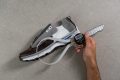
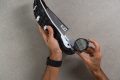
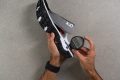
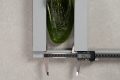
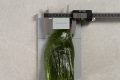
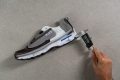
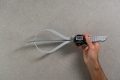
We verified its chunkiness with a generous stack height of 37.3/25.4 mm. The platform lessens muscle fatigue through well-cushioned landings, proven by its high 108 SA score in our shock absorption test.
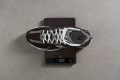
Despite all the cushioning, the 530 maintains a minimal 10.9 oz (380g) build, making it 21.0% lighter than the average sneaker. Moreover, its pliability delivers smooth and natural transitions. Our bend test verifies it’s 18.8% more flexible than average.
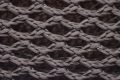
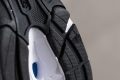
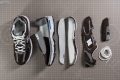
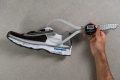
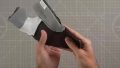
The outsole is designed with wear and tear in mind. Our Dremel only shaved off minimal rubber at 0.5 mm, while it tends to damage the average by 1.1 mm, proving its exceptional wear resistance. However, the opposite happened when we tested for toebox durability. It was instantly damaged, so we recommend avoiding situations that may cause a tear in the upper.
Pros
- Incredibly breathable
- Comfortable and protective midsole
- Extremely lightweight with a padded interior
- Durable outsole
- Excellent value for money
- NB's classic style
- 90's retro and chunky vibe
- More colorways than a rainbow
- Great outsole grip
Cons
- Lacks durability
- Not for cold weather
Looking at the sneaker’s platform, in almost all cases, we can find an insole, a midsole, and an outsole. While the whole sneaker works wonderfully in sync, it’s the midsole that’s responsible for shock absorption. Actually, it’s the foam that the midsole is made of.
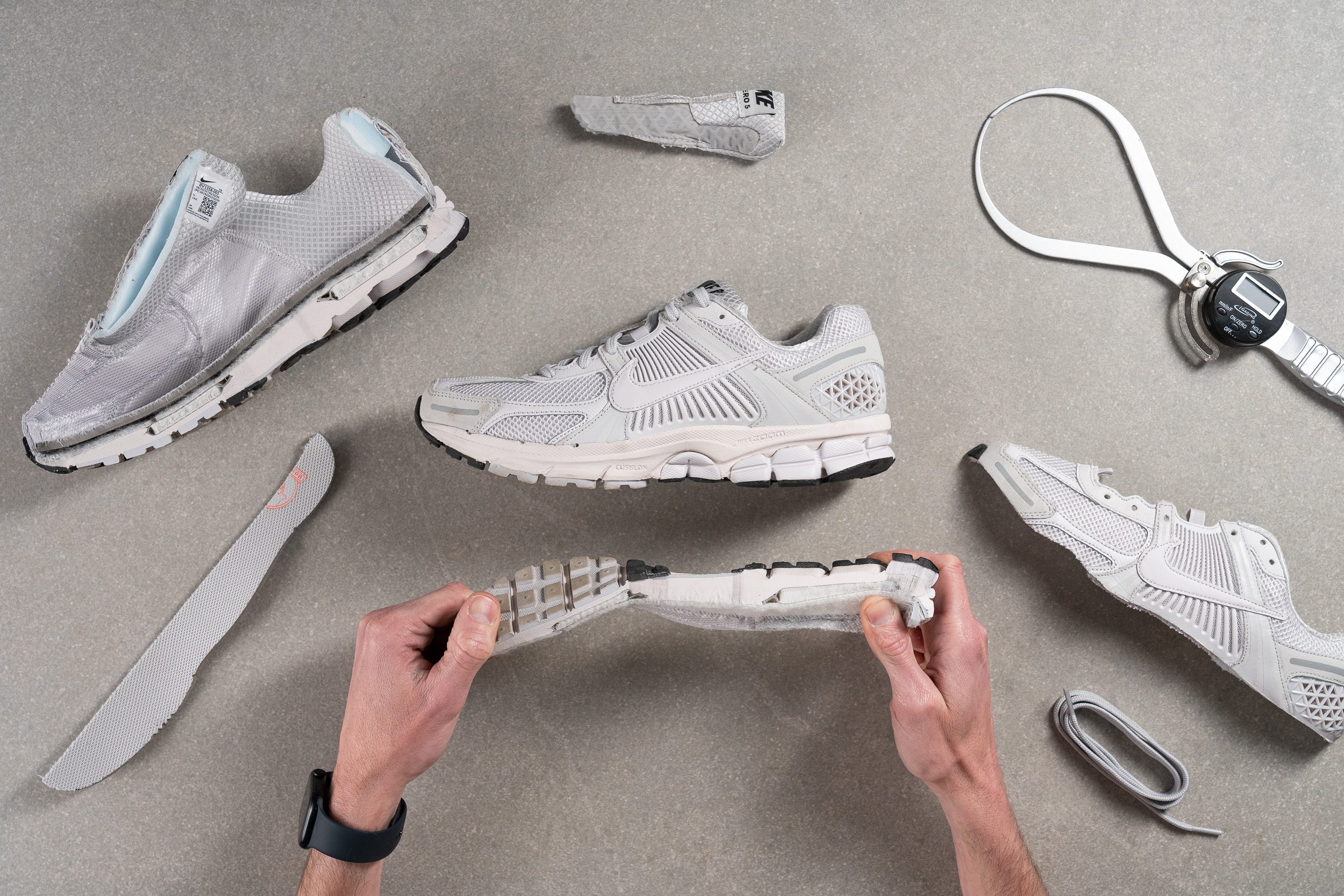
Shock absorption or shock attenuation is the midsole’s ability to dampen the impact forces at every step. Whenever you land on the heel, you squish the midsole and the shock absorption tells us how good that midsole is at absorbing the impact forces. The better it is at this job, the less stress for your legs to handle. This becomes even more important on prolonged efforts (walks, sightseeing, traveling) because low shock absorption could very well cause premature foot fatigue in such cases.
When we test shock absorption, we get varying results. For a sneaker to be classified as having high shock absorption, it has to score at least 105 SA on our test. For the record, the moderate range is 80-105, and low is anything below 80.
Who is high shock absorption good for?
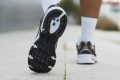
High shock absorption is great for people who spend a lot of time on their feet because this result tells us that the sneaker is very protective. This protectiveness applies to the impact forces, not the protection from outside elements like rain, sharp objects, etc. It is exactly why shock absorption is one of the so-called leg-saving features (the other one is energy return).
Testing the shock absorption of sneakers in RunRepeat lab
Given this protectiveness, high shock absorption is also recommended for heavy people who especially enjoy this feature. And, we can say, it’s perfect for those who want superb comfort! No wonder all the top-rated sneakers with high SA got all the praise for comfort.
How to recognize sneakers with high shock absorption
Short answer: Look for high-stacked sneakers but it's not a guarantee.
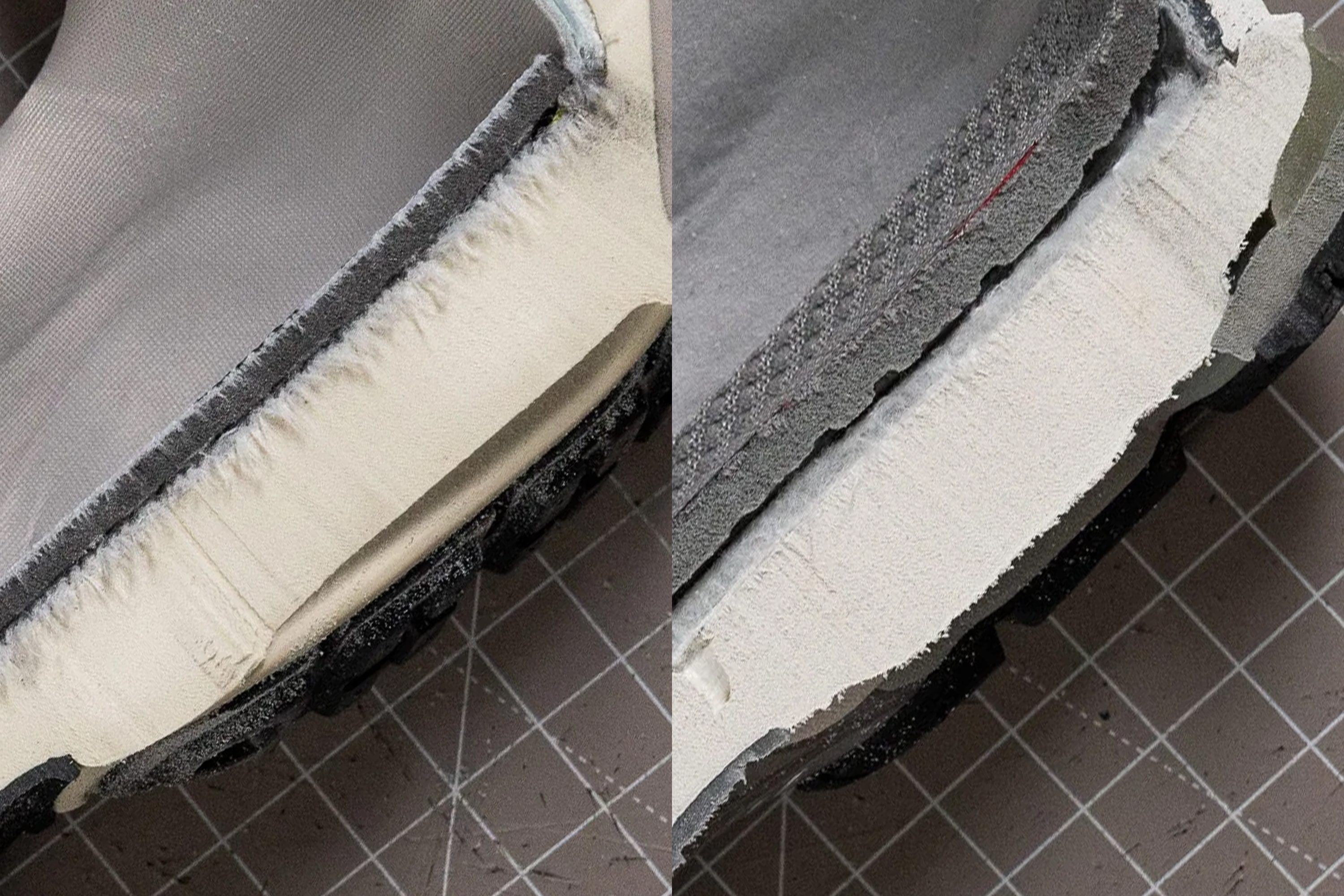
Longer answer: Low-stacked sneakers, or, should we say, those close to the ground, don’t have enough foam that would do the shock attenuation (well). The average heel height of sneakers with low shock absorption is 1 cm lower than the average heel stack of sneakers with high shock absorption!
| There’s no way of saying “hey, this sneaker has a shock absorption of 152 SA” just by looking at the sneaker. The best advice: look at the lab test results. |
Stack height of sneakers with high shock absorption
If you love the ground feel, barefoot/minimalist footwear, and if you’re avoiding chunky sneakers/platforms, the chances are you will not find sneakers with high shock absorption. This is because for a sneaker to offer high shock absorption, it has to have a midsole thick enough to do the job. Sneakers that are low to the ground simply can not deliver.
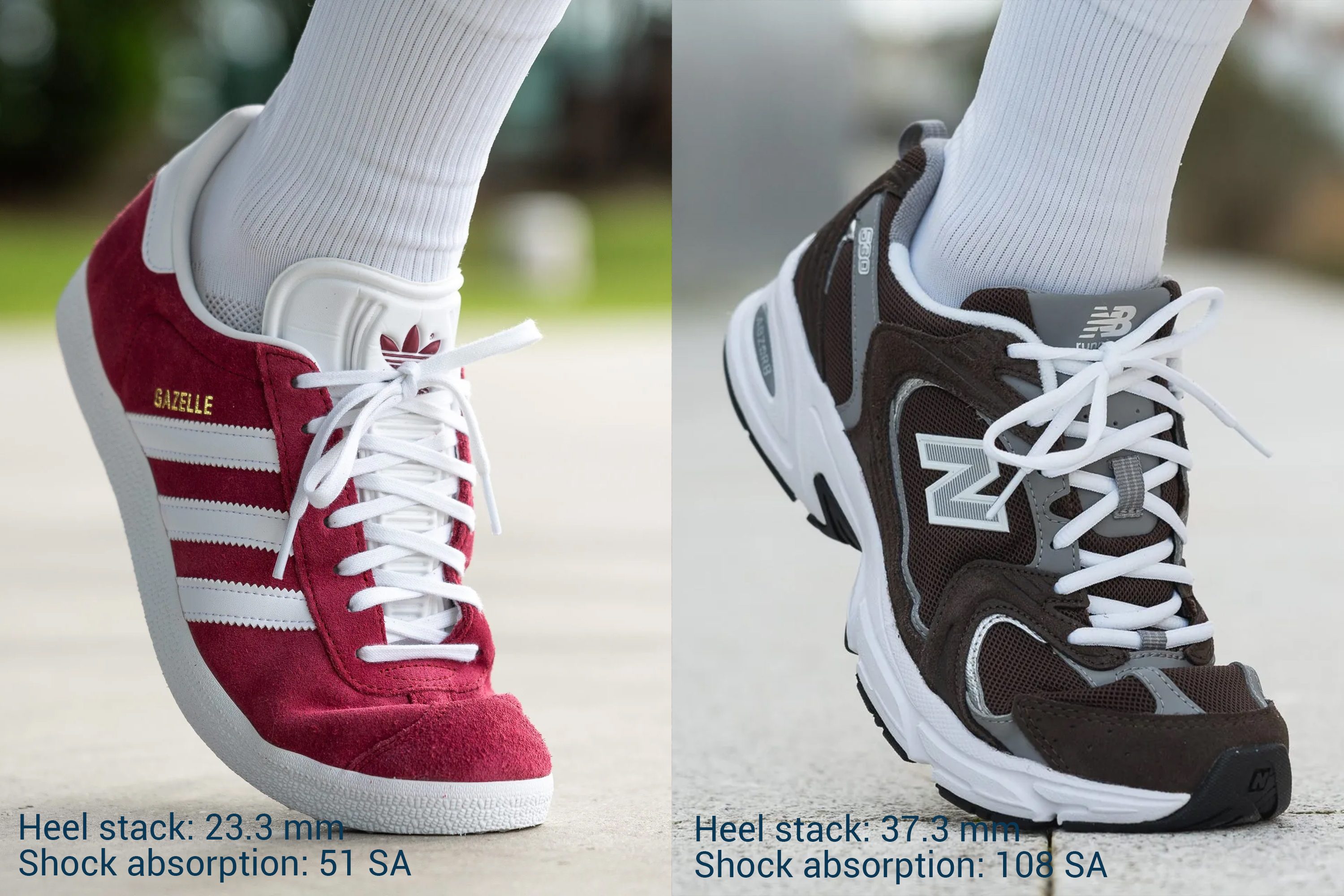
To get a better understanding of this, we can look at the average stack heights for the 3 shock absorption groups:
|
Shock absorption |
Average heel stack |
|
Low |
23.4 mm |
|
Moderate |
34.6 mm |
|
High |
34.6 mm |
Shock absorption vs softness of sneakers
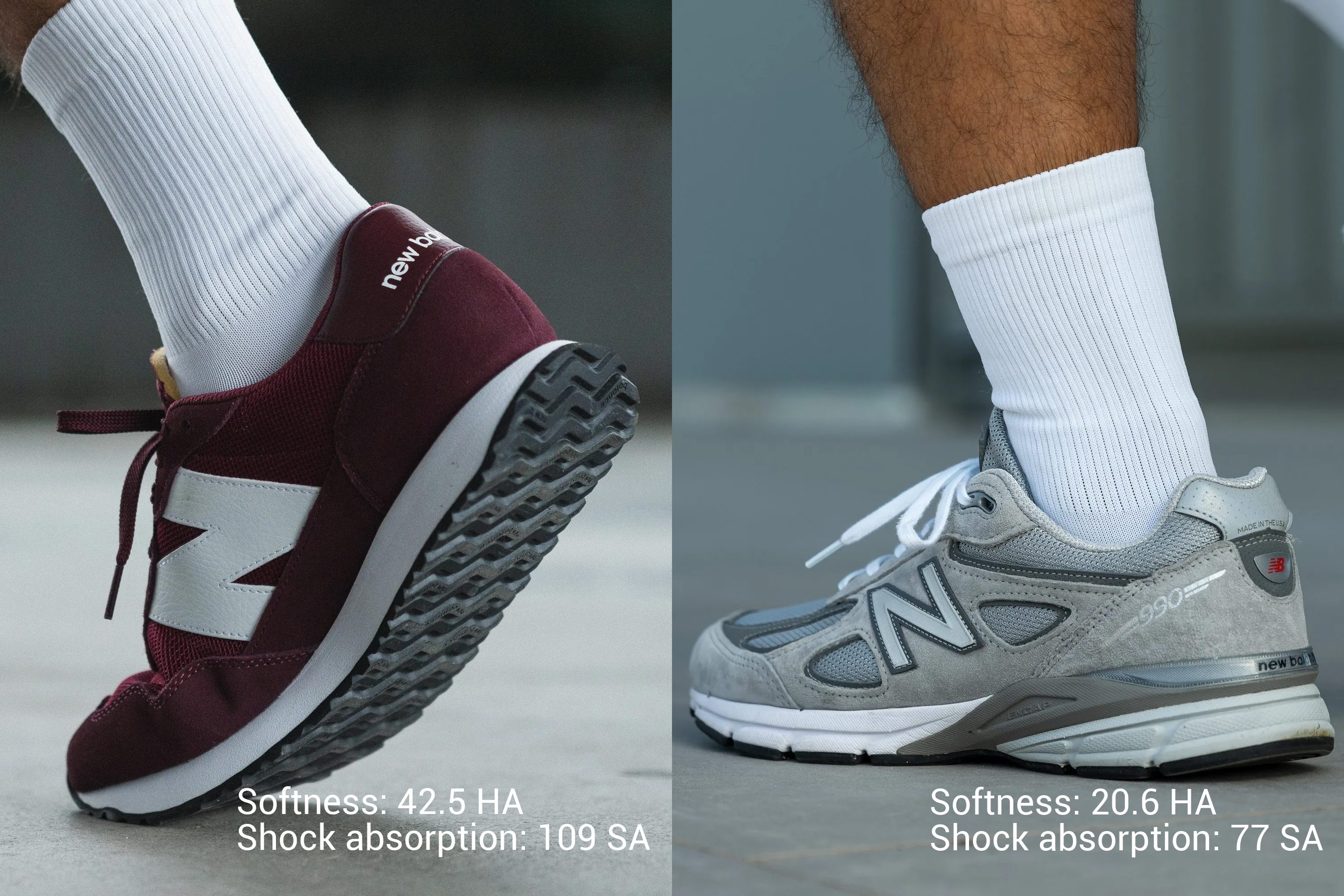
Softer foams are easier to squish and this often feels great on our feet. However, just because the foam is softer does not mean that it always has high shock absorption.
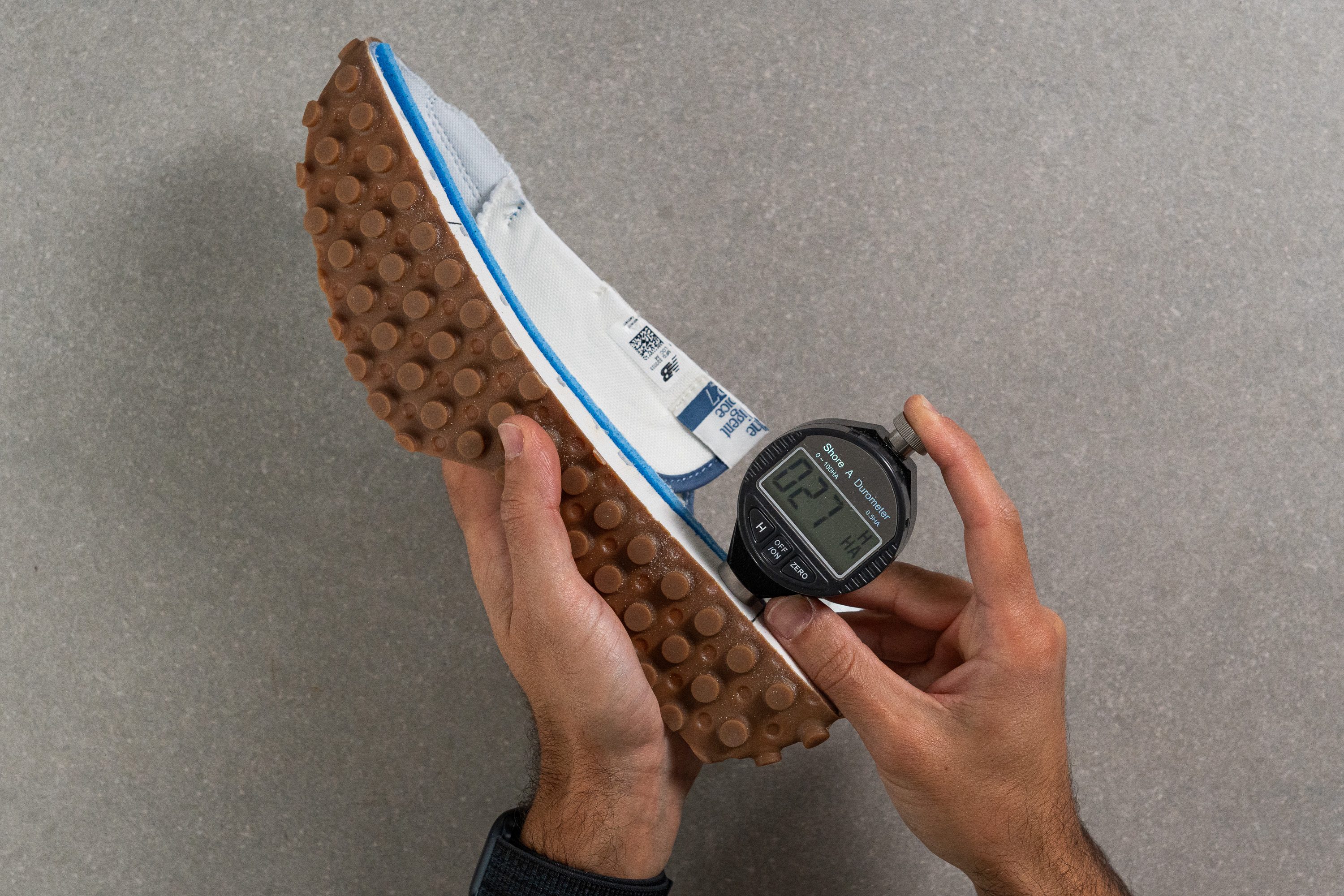
Averages do tell us that softer foams are usually found in sneakers with higher shock absorption.
|
Shock absorption |
Average midsole softness |
|
Low |
33.6 |
|
Moderate |
29.8 |
|
High |
25.6 |
However, it’s important to know that exceptions always exist and that this correlation is not perfect.
Energy return in sneakers with high shock absorption
Energy return is a very important feature, but it is prioritized in running shoes where things happen fast (the full gait cycle) and where it’s important to be fast. That’s why in running, we focus on the energy return at the forefoot. In sneakers, we measure it only at the heel.
Looking at the lab data for sneakers, high shock absorption usually comes in the same package with high energy return. Why is that important? Because there could be foams that are very protective but quite dull, you sink in and need extra effort to “get back up”. Energy return is all about responsiveness, or the ability of the foam to recover after it has been squished.
This high energy return can be quite important if you tend to spend all day on your feet or if you exercise in your sneakers.
For context, the average energy return of sneakers (at the moment of writing this) sits at 50.2%.
Low or moderate shock absorption: who is it good for?
Moderate and low shock absorption is most often found in sneakers that are low to the ground and classic. Chunky, futuristic sneakers and even dad shoes tend to have a higher stack height and therefore higher shock absorption. Sneakers that score lower on the shock absorption test are perfect for those who love the minimalist/classic vibes.
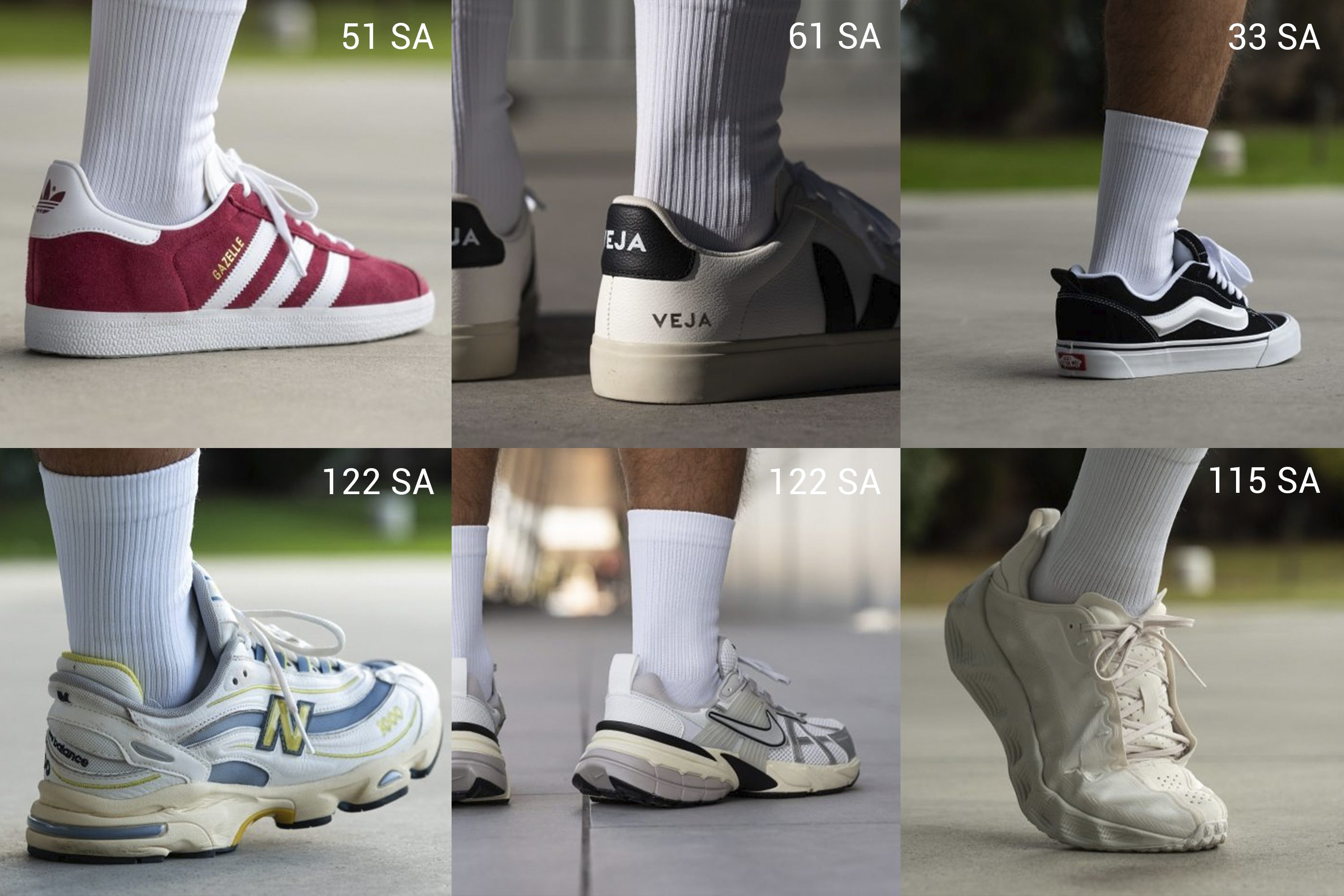
How heavy are sneakers with high shock absorption?
The average weight of sneakers with high absorption is 339.6g or 12.0 oz (at the moment of writing this guide), which makes them 13% lighter than the average sneaker overall.
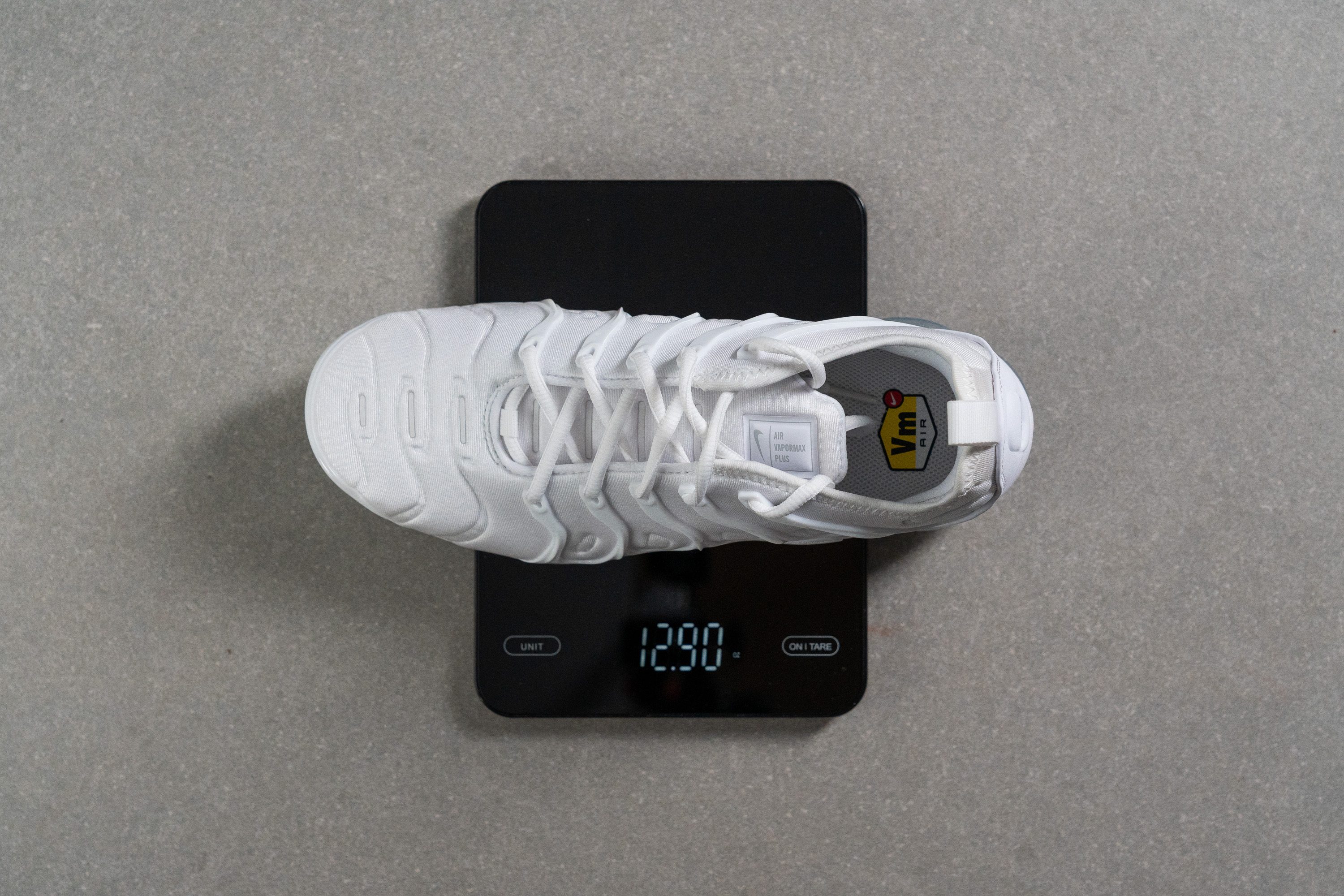
If we want to compare the weight of sneakers with high shock absorption with the weight of those with low or moderate shock absorption, we can’t look at 2 features only: weight and shock absorption. We must take into account the overall sneaker design (chunky or minimalist), the stack heights, and what the midsole is made of. Usually, there’s a foamy layer stacked between the outsole and the insole. But sometimes, in shoes with lower shock absorption, though, we see midsoles with no foam or it's a lower quality, dense foam. This inevitably leads to a higher weight.
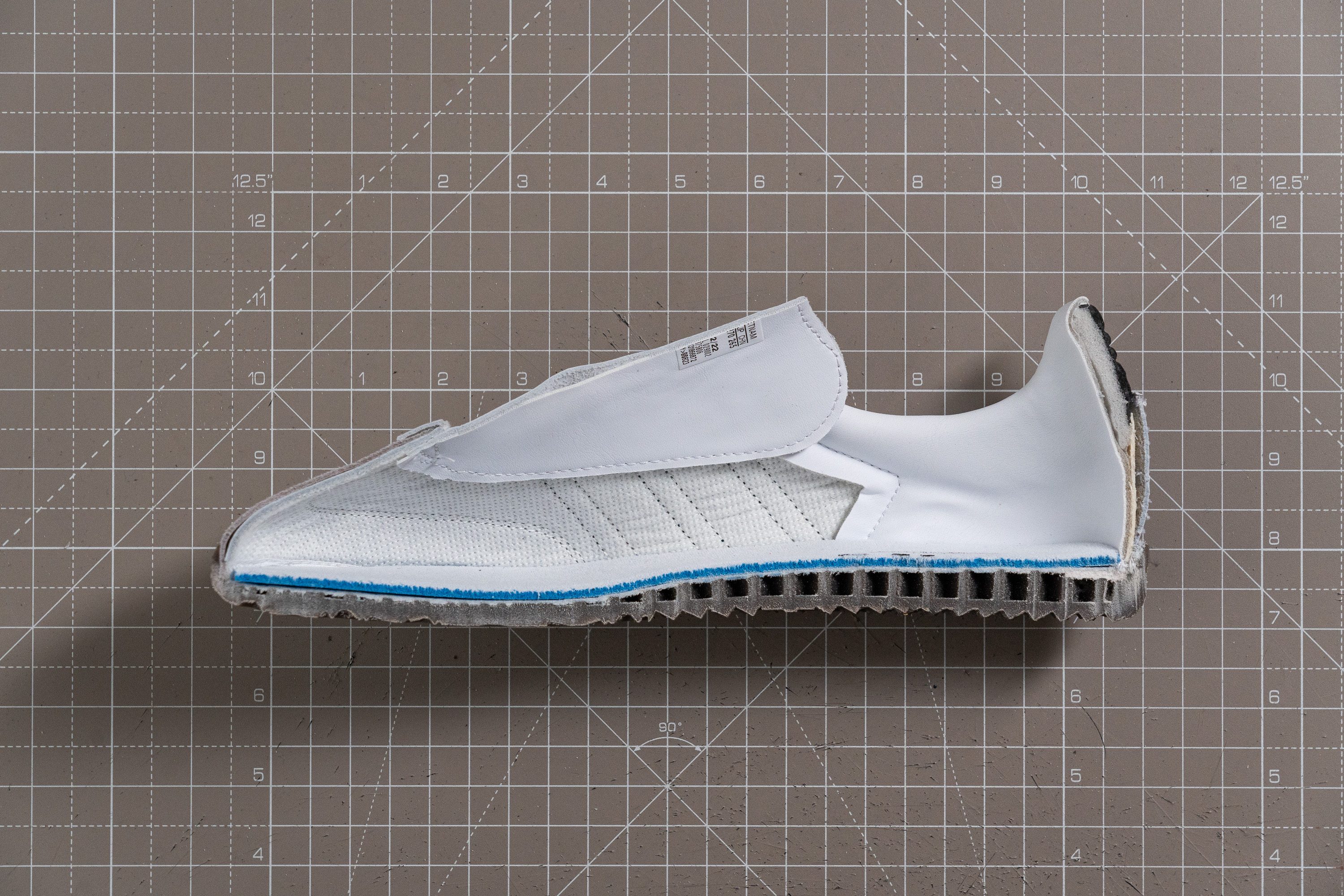
It makes sense for sneakers with high shock absorption to be lighter because it’s all about the foam (although the air units in Nike sneakers can do the shock attenuation as well). High-quality foams that feature high shock absorption tend to be lighter.
Cheapest sneakers with high shock absorption
At the moment of writing this guide, the average price of sneakers with high shock absorption sat at $128, while the average price of all sneakers was $125.
The price of sneakers with high shock absorption can vary wildly. In the tables, we list an overview of the cheapest and most expensive pairs. Keep in mind that these numbers represent MSRP or manufacturer’s retail suggested prices. This means that they tell us how much the sneaker cost when it was released. This price does not include any potential discounts. Good news is, we have a page dedicated to finding good deals.
Similar buying guides