7 Sneakers With The Best Traction in 2025

We buy shoes ourselves. We earn commissions when you buy through us, at no extra cost. Why trust us
Focusing on the looks and color blocks is great, but have you ever felt insecure in your sneakers when you encountered wet weather? Were you ever reaching for a handrail, the walls, trees, or even other people because you were slipping and sliding? Great news, that stops here. Thanks to our lab test for traction, you can always find out how grippy a pair of sneakers is. We also highlighted crème de la crème grippy pairs that blew our minds (or the display on the traction testing machine).
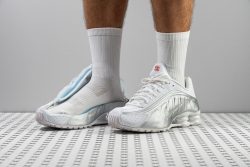
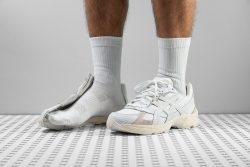
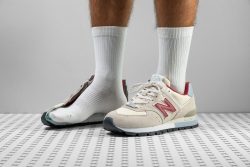
How we test Sneakers with the traction
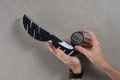
We test thoroughly, objectively, and transparently. How do we accomplish that? By buying all the sneakers on our own and not making deals with the brands. We test the sneakers in and outside of the lab. This allows us to combine our personal impressions with the lab data and also to better understand the fit and performance of each sneaker.
In the lab, all the tests are standardized, which means every sneaker is treated identically. Same conditions, same temperature, same forces applied, durometers used, and so on. This approach allows us and you to compare the sneakers based on how they performed on each test.
Best sneakers with high traction overall


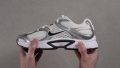
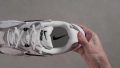



What makes it the best?
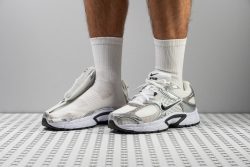
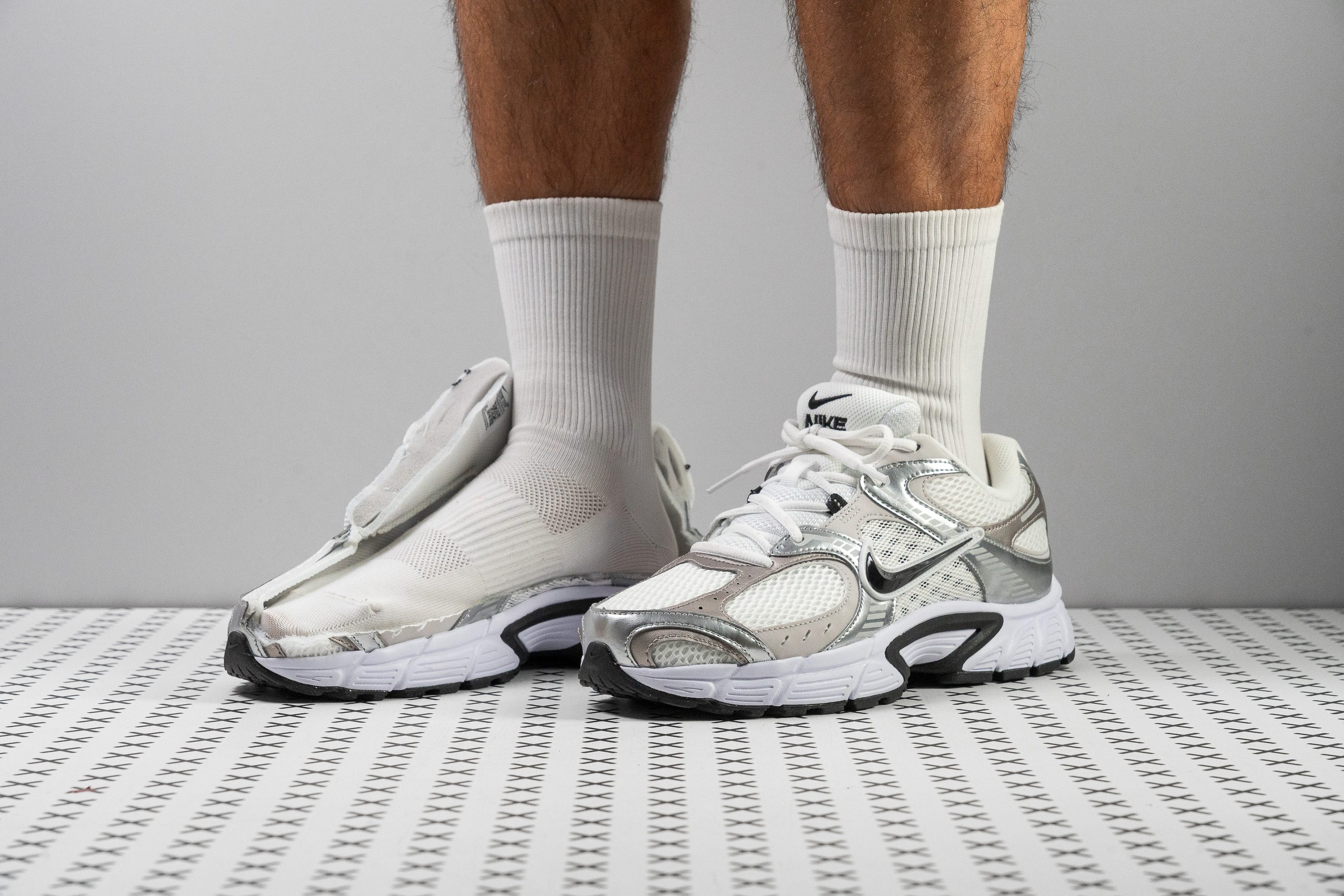
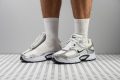
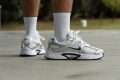
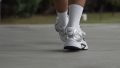
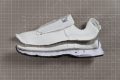
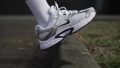
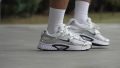
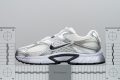
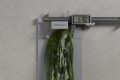
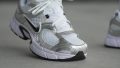
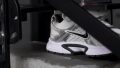
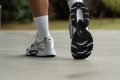
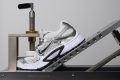
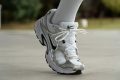
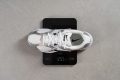
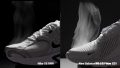
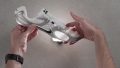
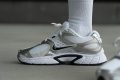
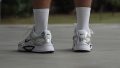
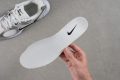
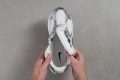
At only $95, the Nike V5 RNR is 17.4% less than what we’d ordinarily invest in a sneaker, but it offers so much more than its price. We enjoyed plush impact protection and steady footing during our walks. In the lab, we verified V5 RNR offers unmatched grip, making it our top high-traction sneaker overall.
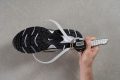
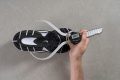
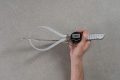
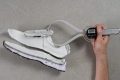
Our encounters with rain and shiny tiles already show us how slip-resistant V5 RNR is, yet the result of our friction test blew us away. With its 0.73 score, it’s a mind-blowing 69.8% grippier than the average sneaker!
Its sturdy plastic shank in the midfoot also offers a strong foothold, which adds to the shoe’s torsional rigidity. In our manual assessment, we confirmed its support with a high 4/5 score. We won’t need to worry about getting out of balance.
V5 RNR offers all-day comfort through its above-average stack of 35.4/23.9 mm and its deep cushioning, verified by its 121 SA rating. This figure means it offers 36.0% better impact protection than average, soothing our legs with every step.
However, it has a snug fit in the toebox that may cause pressure points. We can’t recommend this sneaker to those with broad feet.
Pros
- Unbelievable shock absorption for the price
- Light rocker makes the ride smoother
- Good support and stability for flat feet
- Insane outsole traction on wet and dry
- Extra puffy tongue and collar
- Comfortable in-shoe feel
- Fantastic value for money
Cons
- Snug and narrow fit (not for wide feet)
- Not as breathable as it appears
Best retro sneakers with high traction




What makes it the best?
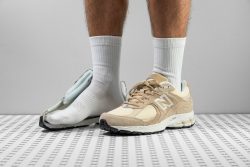
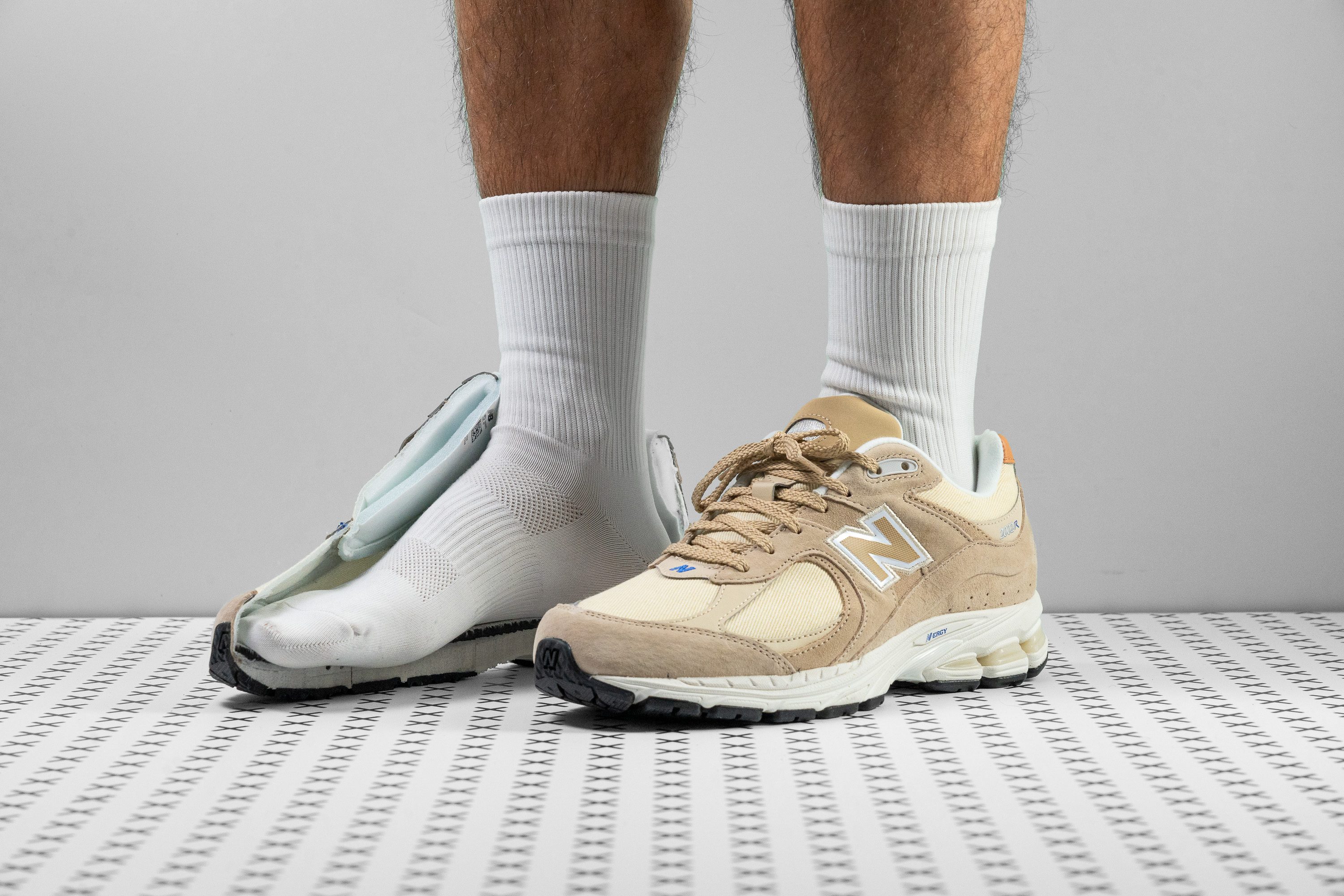
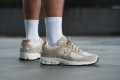
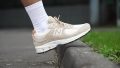
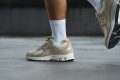
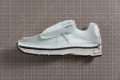
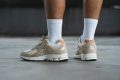
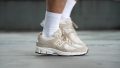
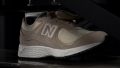
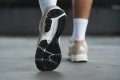
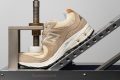
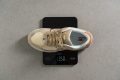
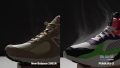
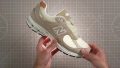
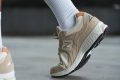
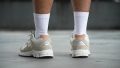
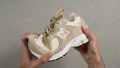
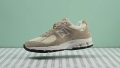
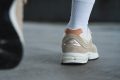
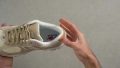
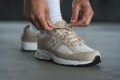
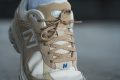
The New Balance 2002R took us down memory lane with its 90’s aesthetic, while keeping us comfortable and safe with its impact-absorbing midsole and grippy outsole. Among the sneakers we wore, it’s our best retro pick in the high-traction category. Lab tests also show it offers excellent arch support through its stable platform.
The 2002R is ideal for all-day wear, offering lasting comfort and steady support. The ABZORB midsole suits its name, as we recorded a high shock absorption score of 108 SA in the heel, making it 21.3% more protective than average. Even the N-ergy rubber dampens the forces of the ground.
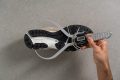
2002R takes foot support seriously, showing solid twist resistance in our manual test. At 4/5 in torsional rigidity, it’s hard to lose balance in the shoe.
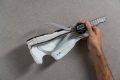
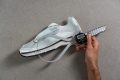
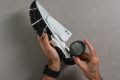
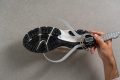
Moreover, the outsole delivers slip-free steps, regardless of road conditions. In our traction test, the heel generated a high friction score of 0.59, making it 37.2% grippier than average.
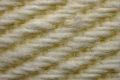
The upper features genuine suede, which enhances its look. However, it offers poor ventilation, so we can’t recommend it in hot weather.
Pros
- Comfortable for all-day wear
- Protective cushioning technologies
- Durable upper materials
- Snug and supportive fit
- Reliable arch support
- Stable platform
- Grippy, running-inspired outsole
- Feels lightweight with a padded interior
- Stylish classic look that matches many outfits
Cons
- Not for wide feet
- Pricey
Best high traction sneakers for all day
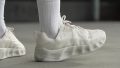
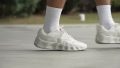
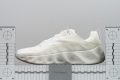
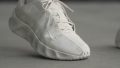
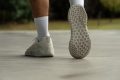
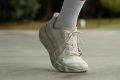



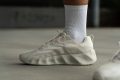
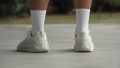








What makes it the best?
Pros
- Wonderful shock absorption for all-day wear
- Super bouncy ride with the ReactX foam
- Soft and cozy underfoot experience
- Accommodating fit
- Amazing outsole grip on wet and dry surfaces
- Great flexibility for natural foot movement
- Much lighter than average
- Breathable, summer-ready upper
- Very wide platform offers stability
- Surprisingly durable upper
Cons
- Thin outsole causes durability concerns
- Not much arch support
Best dad shoes with high traction



What makes it the best?
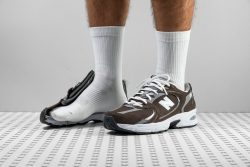
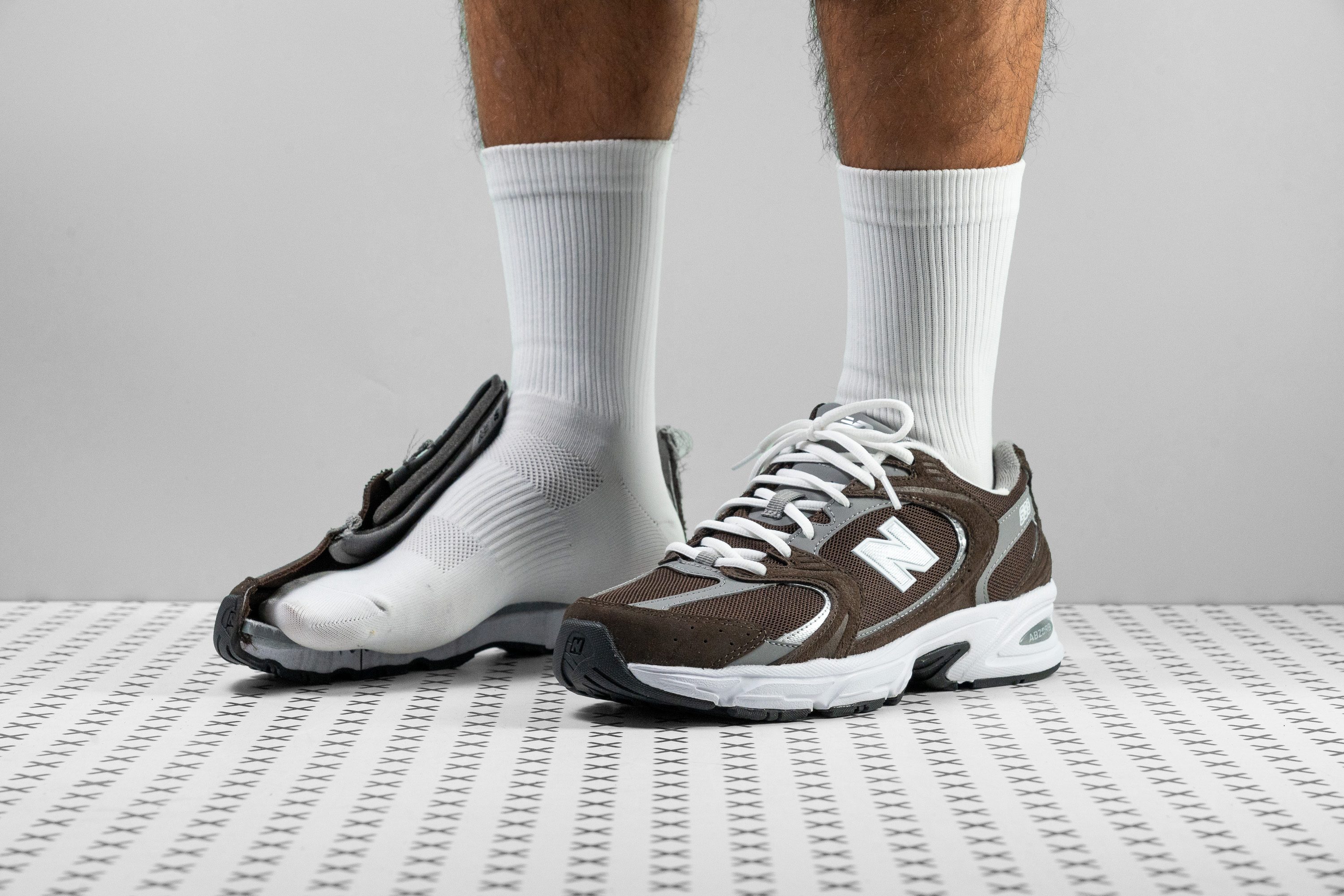
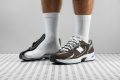
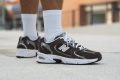
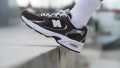
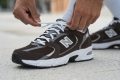
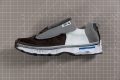
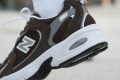
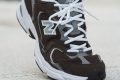
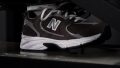
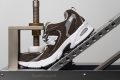
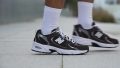
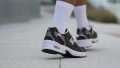
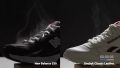
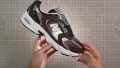
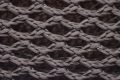
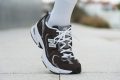
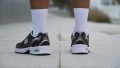
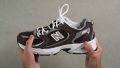
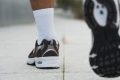
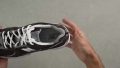
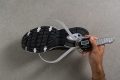
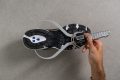
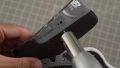
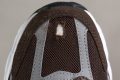
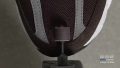
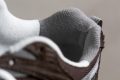
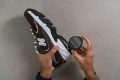
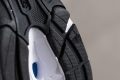
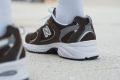
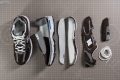
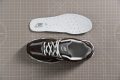
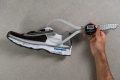
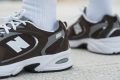
The New Balance 530 is inspired by the looks of the past, with its chunky build offering wonderful joint protection without the bulk. Lab tests show it’s easy on the feet with its flexibility and slip-resistance, making it our best dad shoe among high-traction sneakers.
We enjoyed its gentle sensation underneath, with the thick 37.3/25.4 mm platform protecting our feet. Moreover, it offers strong impact protection, proven by its above-average performance in our shock absorption test, earning a 108 SA score.
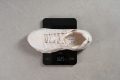
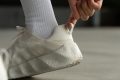
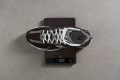
Despite its cushioned feel, it keeps its weight low. Our scales reveal it’s only 10.9 oz (308g), 21.0% below the average sneaker. Moreover, it shows more flexibility, which enhances an effortless experience. Our bend test reveals it’s 18.8% more pliable than average.
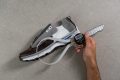
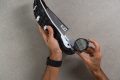
Despite its moderate price point, the 530 offers reliable grip. In our traction test, it performs 20.1% better than average with its 0.52 rating, allowing us to strut the sidewalks with full confidence, even in the snow. However, the upper’s strong ventilation makes it less ideal for the winter. Best to use these sneakers during warmer seasons.
Pros
- Incredibly breathable
- Comfortable and protective midsole
- Extremely lightweight with a padded interior
- Durable outsole
- Excellent value for money
- NB's classic style
- 90's retro and chunky vibe
- More colorways than a rainbow
- Great outsole grip
Cons
- Lacks durability
- Not for cold weather
Best height-boosting sneakers with high traction
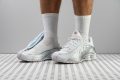
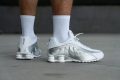
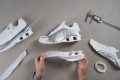
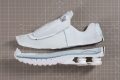
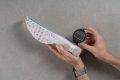
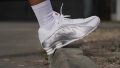
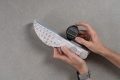
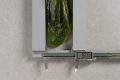
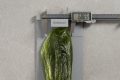
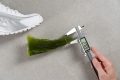
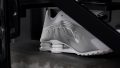
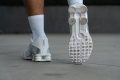
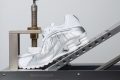
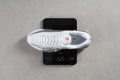


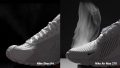

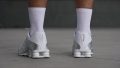
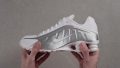
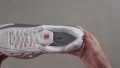





What makes it the best?
Pros
- Incredibly durable
- Great stability
- Bouncy ride with Nike's Shox tech
- Makes you taller
- Cool retro-futuristic style
- Trendy sporty vibe
- Reflective elements everywhere
Cons
- Not breathable
- Heavy
- Pricey
Best leather sneakers with high traction
















What makes it the best?
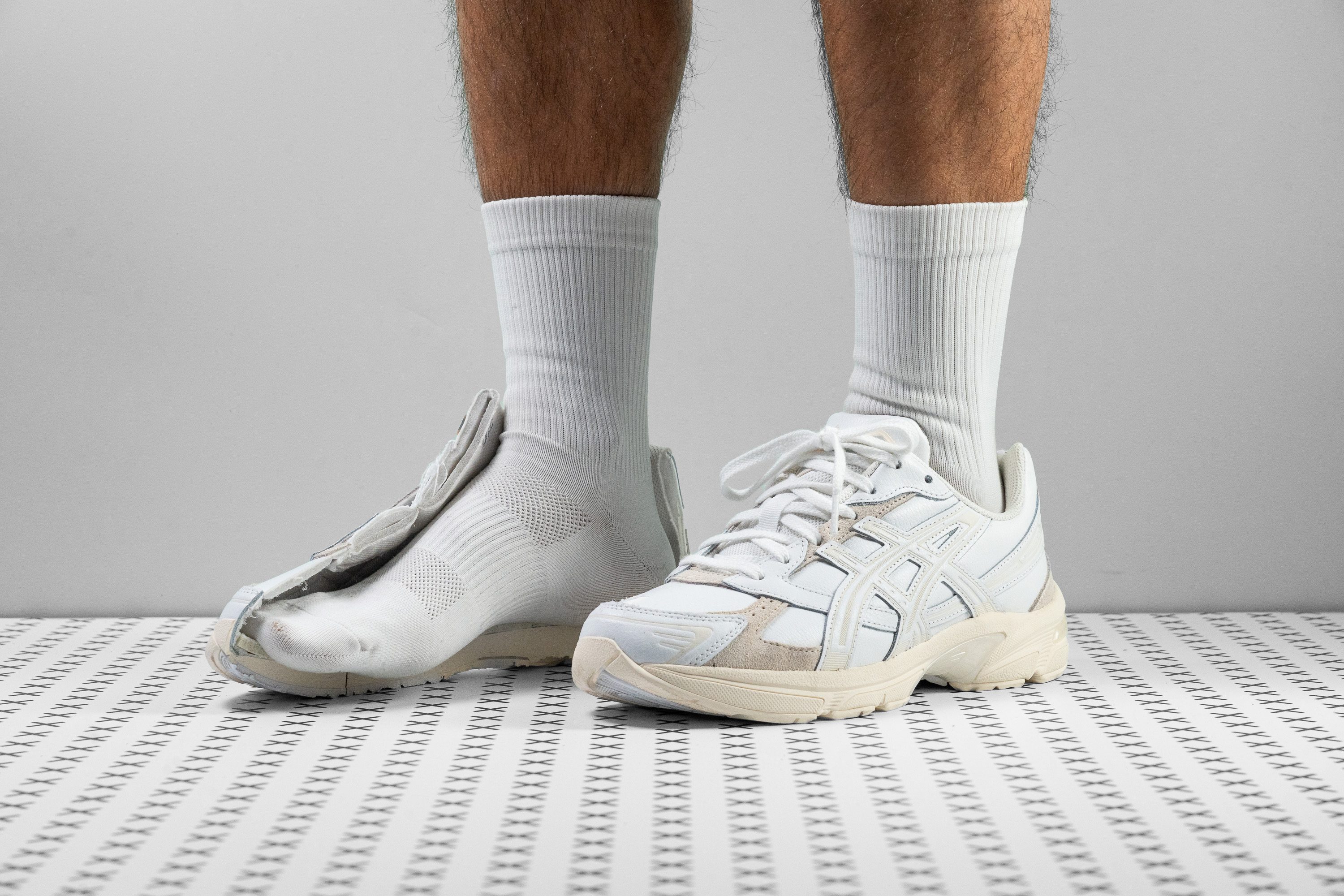
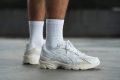
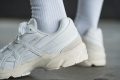
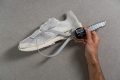
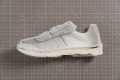
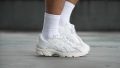
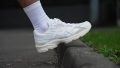
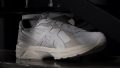
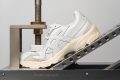
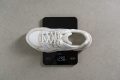
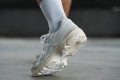
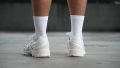
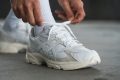
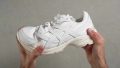
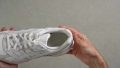
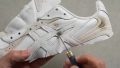
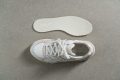
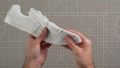
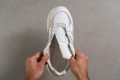
With its premium materials, top-notch traction, and unwavering stability, the ASICS Gel 1130 is our best leather high-traction sneaker. Lab results verify the shoe’s exceptional support from top to bottom, keeping us safe and steady during our walks.
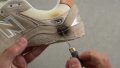
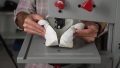
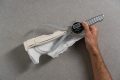
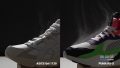
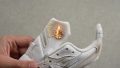
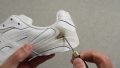
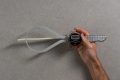
We tested the upper with our torch and confirmed the leather’s authenticity. Surprisingly, it allows a hint of airflow in our breathability test, earning a 2/5 rating. Leather materials almost always get a 1/5! In terms of wear resistance, it verifies its protective nature with a high 4/5 toebox durability score.
The Gel 1130 features the TRUSSTIC support system, a technology previously used for dedicated stability running shoes. The midsole offers strong side-to-side containment, preventing our feet from buckling. Our manual test confirms a high 4/5 torsional rigidity score.
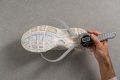
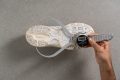
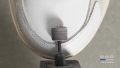
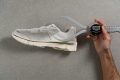
The outsole offers confidence-inspiring grip. In our traction test, it generated a friction of 0.55 that’s 27.9% higher than average. This figure explains why it was slip-resistant on indoor tiles and rainy sidewalks.
However, the sneaker also feels stiff longitudinally. Those who want a more seamless experience with forward transitions should look for more flexible sneakers.
Pros
- Comfortable for all-day wear
- Stable platform
- Top-notch materials
- Excellent craftsmanship
- Supportive foothold
- Grippy, running-inspired outsole
- Feels lightweight with a padded interior
- Roomy at the big toe
- Real suede and leather
- Cool 90s dad shoes retro vibe
Cons
- The leather version lacks breathability
- Quite stiff
Best budget sneakers with high traction



What makes it the best?
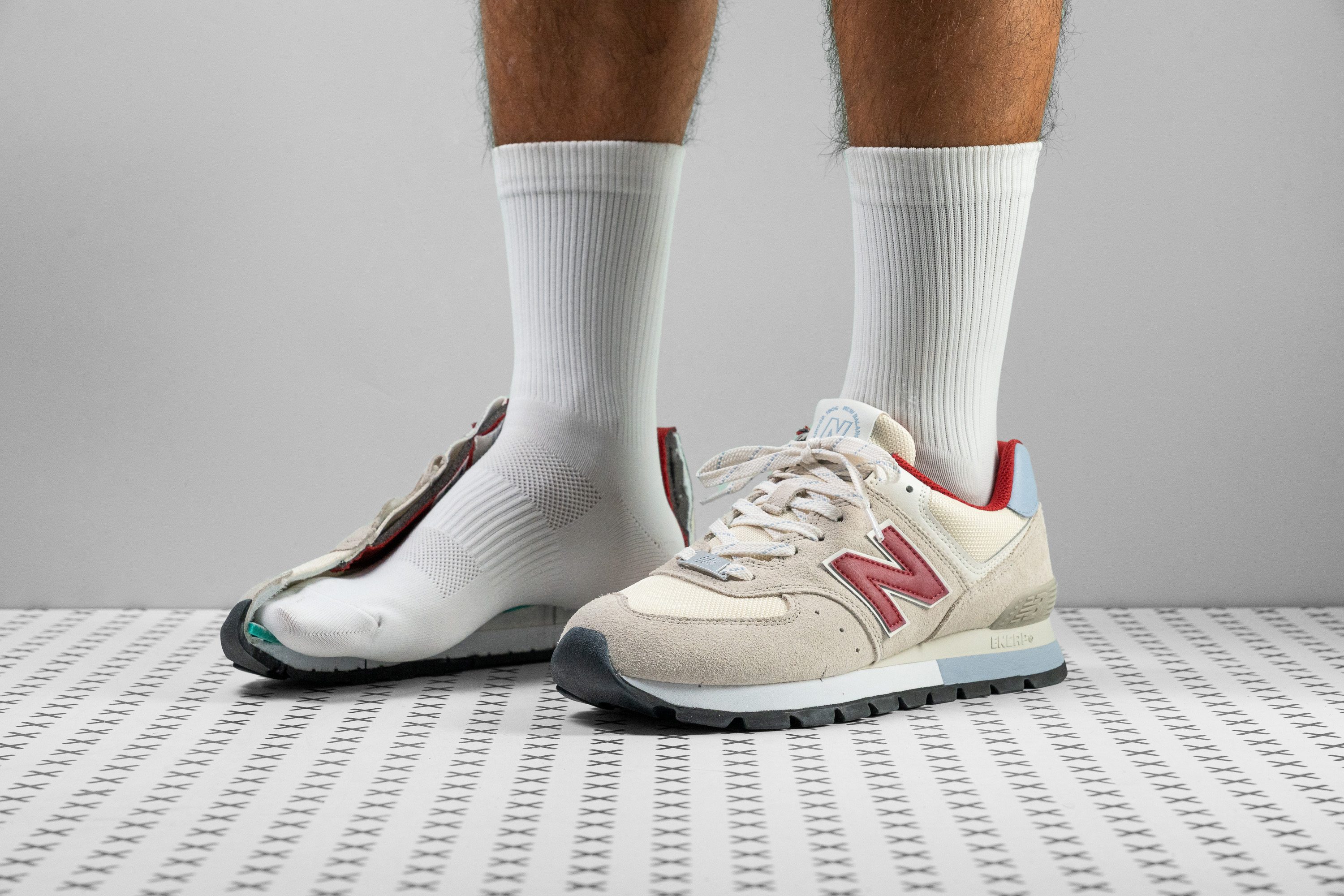
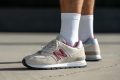
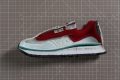
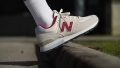
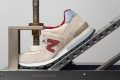
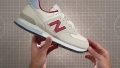
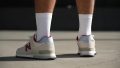
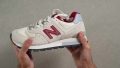
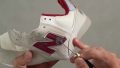
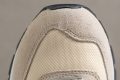
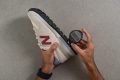
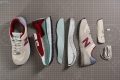
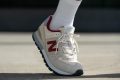
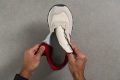
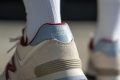
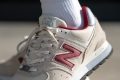
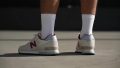
The New Balance 574 proved to offer lasting comfort, world-class durability, and superior traction, both in our wear tests and lab assessment. We had to double-check if it’s really priced at $90, since it outperforms many other sneakers, which average at $115. Therefore, it’s our best budget sneaker in the high traction category.
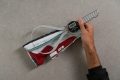
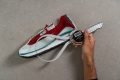
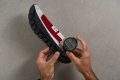
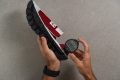
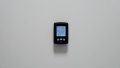
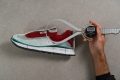
We had no instances of slipping during our encounters with wet pavements or slippery tiles. In our traction test, the heel generated an impressive friction score of 0.55, making it 27.9% grippier than average.
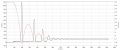
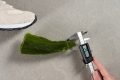
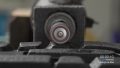
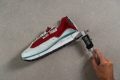
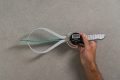
What makes the grippy outsole even more impressive is its strong wear resistance, which emerges only with a 0.5 mm dent, compared to the 1.1 mm average. Moreover, the upper and inner lining both defeated their respective averages, both earning a solid 4/5 durability score.
This kick offers a generous cushion of 38.2/25.2 mm, with strong shock absorption of 92 SA in the heel. Altogether, we found it kind to our muscles, allowing us to last all day.
However, we found ourselves gasping for air during the summer. With the 574’s limited ventilation, it only works best for cooler seasons.
Pros
- Classic NB silhouette
- Budget-friendly
- Suitable for all-day wear
- Real suede
- Highly durable
- Stable and supportive
- Easy to style
- Numerous color options
- Excellent grip on dry and wet
Cons
- Lacks breathability
- Stiff and firm platform
- Tongue shifts a little
Rocking sneakers around the town (or world) is great until things become slippery. This happens when we’re dealing with wet weather, be it rain, slush, or snow, and when we walk on slick surfaces like wooden floors, boat decks, tiles, or stones. If this often happens to you, you’re in the right place. Sneakers that scored high on our traction test are very grippy even in wet conditions.
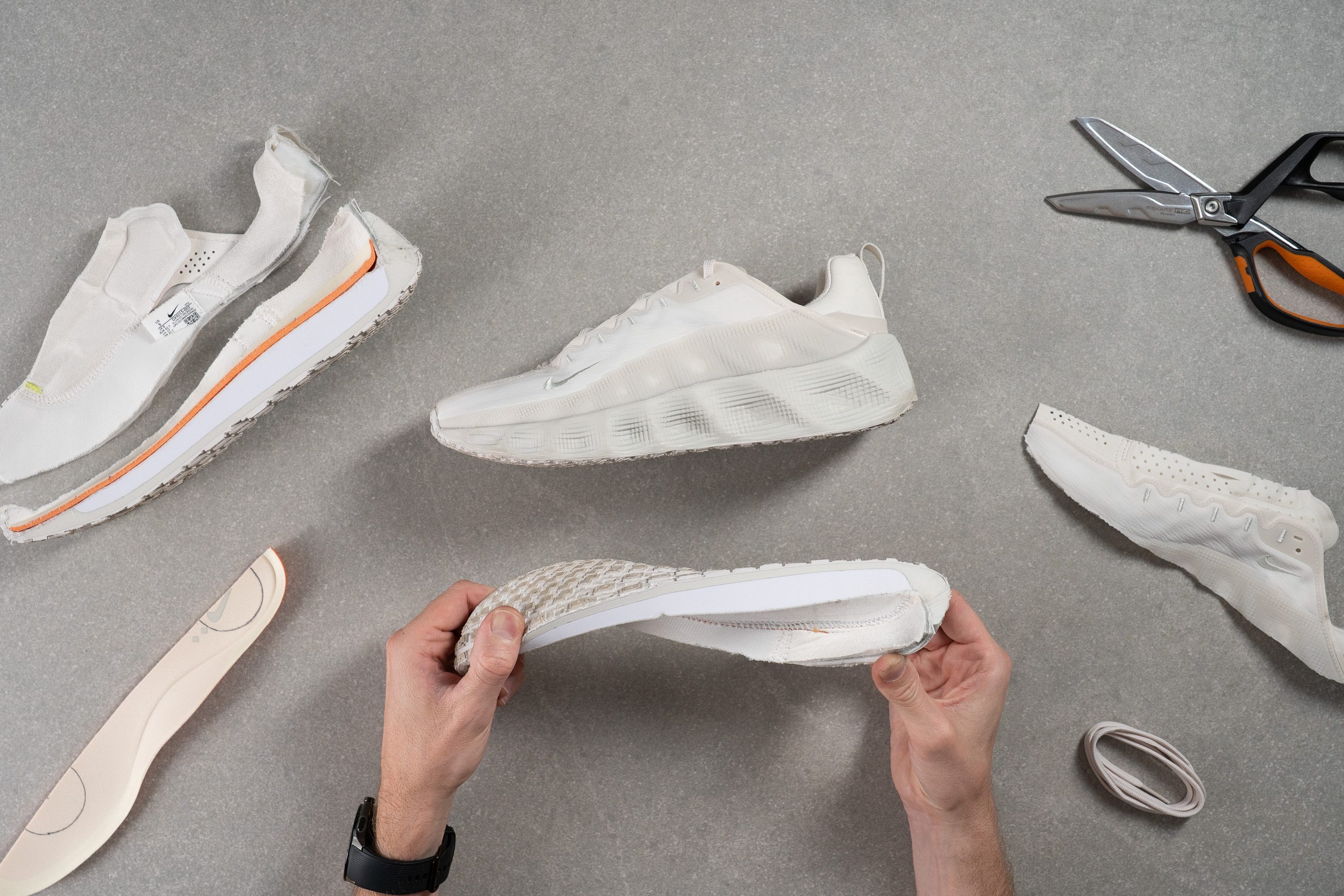
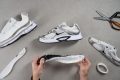
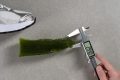
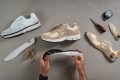
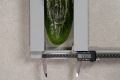
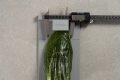
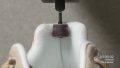
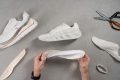
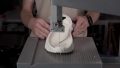
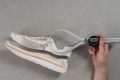
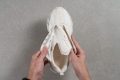
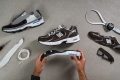
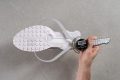
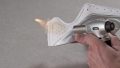
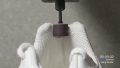
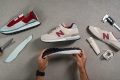
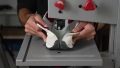
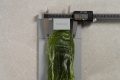
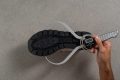
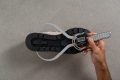
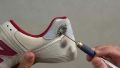
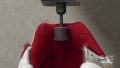
In order to properly test every sneaker and its features, we have to cut it into half, remove its upper, and then cut it into smaller bits.
4 things to know about sneakers with high traction
If you plan to get sneakers with outstanding traction, be prepared!
- They may squeak when dealing with dry surfaces. Some sneakers perform so well on wet areas that they have to grip and squeak when met with a challenge below the bar.
- When you’re walking on dry, rough surfaces, high-traction sneakers may feel as if they are working against you, almost like they are slowing you down. This is a very rare occurrence, but it's better to be prepared.
- You can’t tell whether the sneaker has sky-high or low traction just by looking at the outsole. This is because the traction depends not only on the presence of rubber but also on the type of rubber. That’s where RunRepeat enters the scene with all the traction data publicly available.
- When wearing sneakers with sky-high traction, you may be the person others grab onto when they are slipping and sliding away.
Getting the lab data on sneaker traction
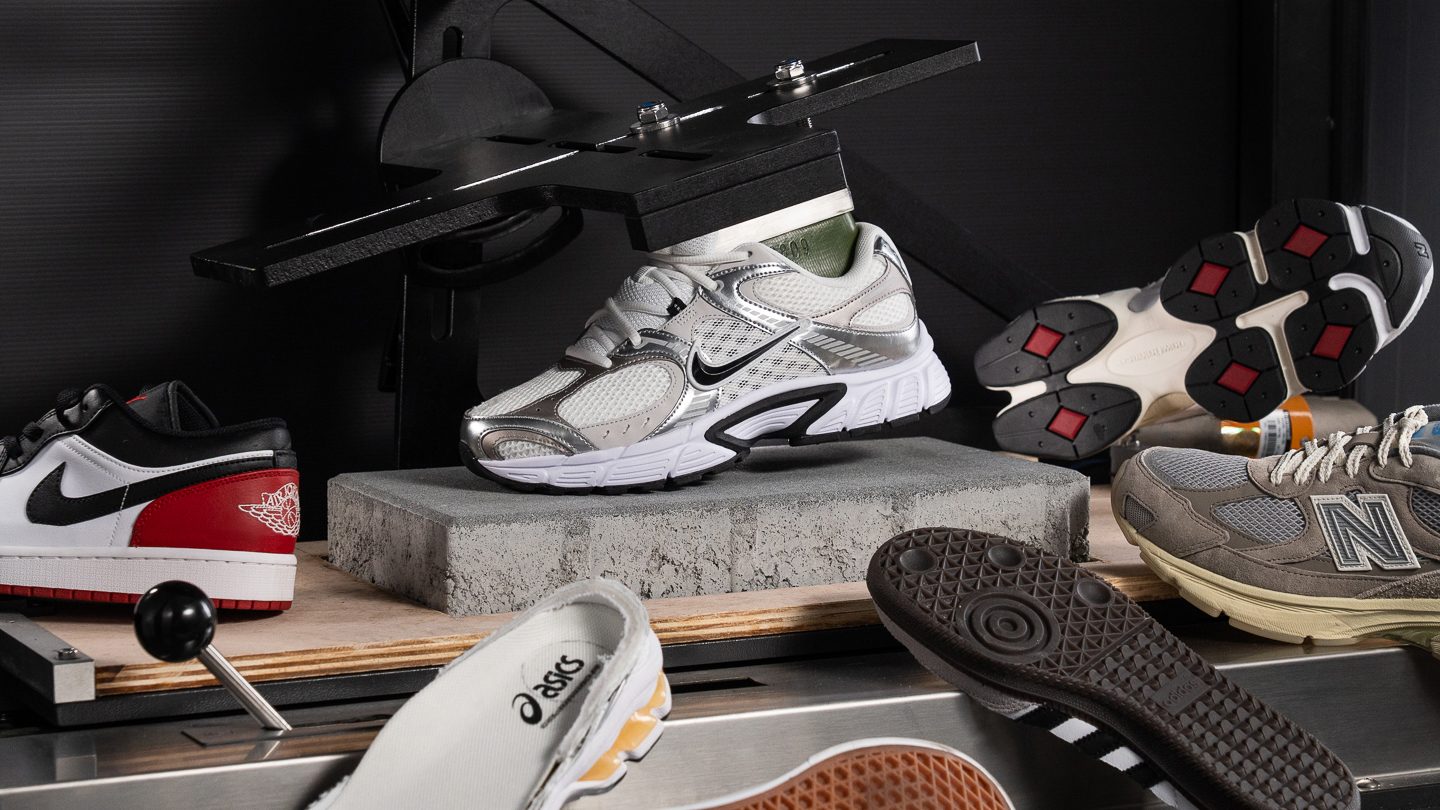
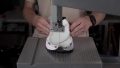
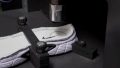
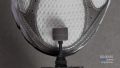
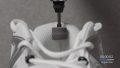
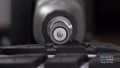
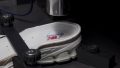
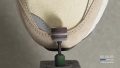
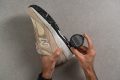
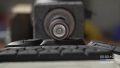
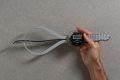
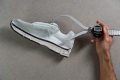
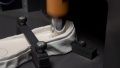
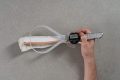
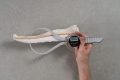
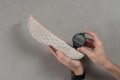
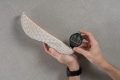
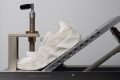
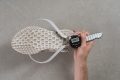
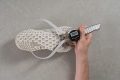
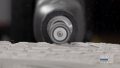
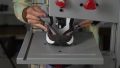
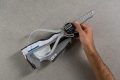
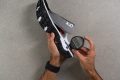
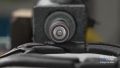
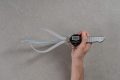
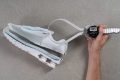
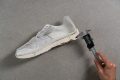
To comply with the SATRA TM144 protocol, we purchased a machine specifically designed for traction testing.
This protocol involves:
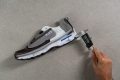
- Pressing the sneaker with a 500N force against the sliding surface at a 7-degree angle. This actually mimics the sneaker use outside the lab. We test the traction at the heel because that’s where we land while walking.
- Performing the test on a wet concrete slab (so-called critical conditions). Due to some wear and tear, we regularly make fresh slabs to avoid discrepancies in the test results.
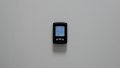
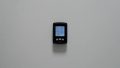
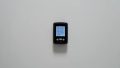
- Measuring the so-called dynamic coefficient of friction (CoF). This is a number we get on the display, and the higher it is, the better the traction.
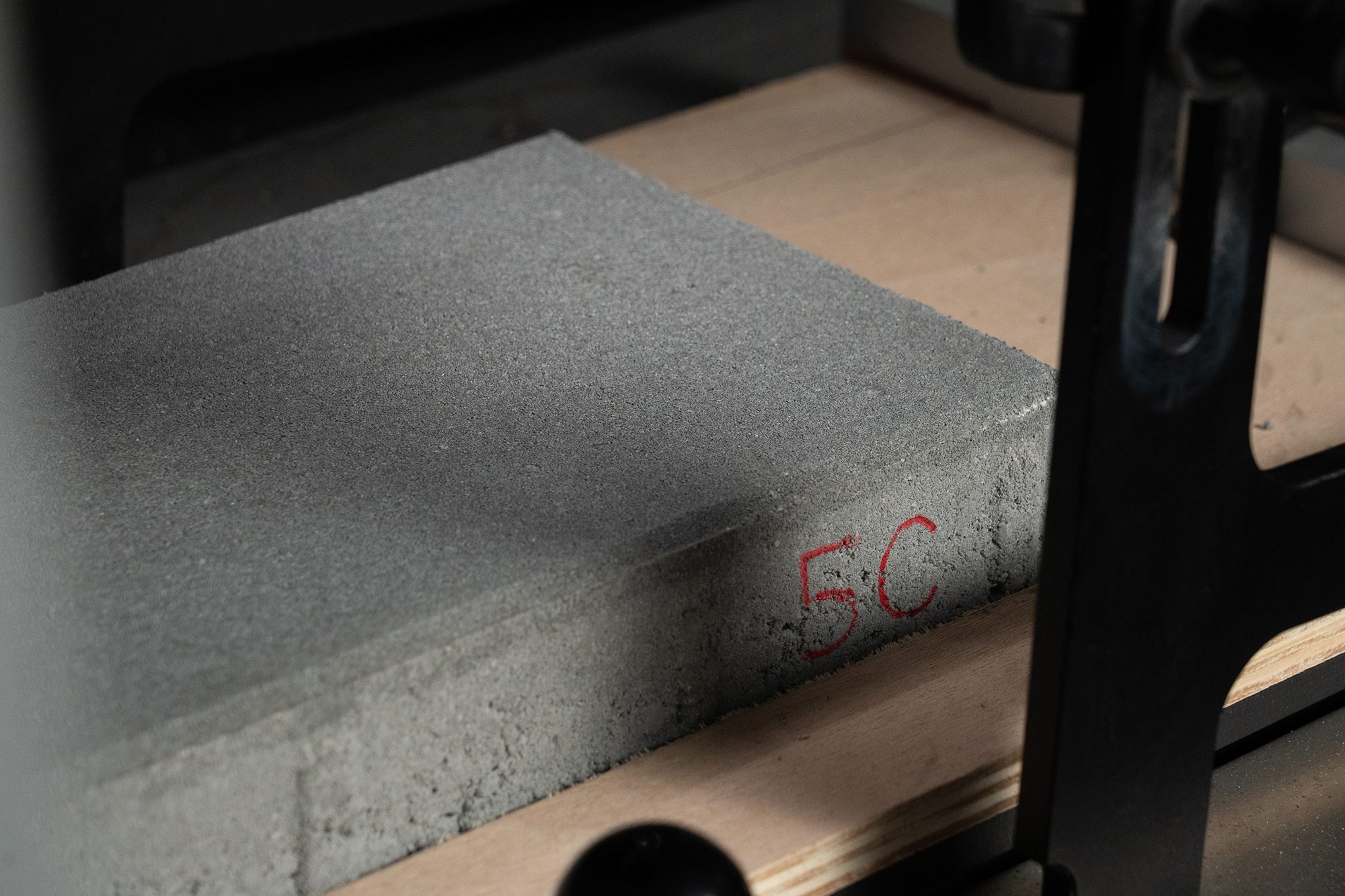
Sneakers that score 0.45 or higher have high traction. This means they are grippy on dry, wet, and slick surfaces. When the CoF is in the 0.25-0.45 range, we consider traction moderate, which makes the sneakers good for dry weather but may disappoint you on wet surfaces. A CoF lower than 0.25 is a very low result.
What makes outsoles grippy?
Previously, we tested a hypothesis that softer rubbers stick to the surfaces more and harder rubbers less. This hypothesis turned out to be wrong as we found no strong correlation. So which features have to work together for traction to be excellent?
- It all depends very much on the type of rubber compound. If only there were an easier answer! We always recommend looking at the lab test results rather than trying to figure it out based on the looks.
- Even when the outsole is grippy, it can be quite non-durable. Add a thin outsole layer to that and you’re quickly done with it. Because of this, it’s also good to check the thickness of the outsole and the durability of the outsole.
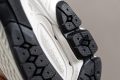
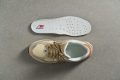
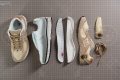
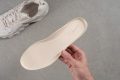
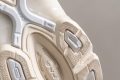
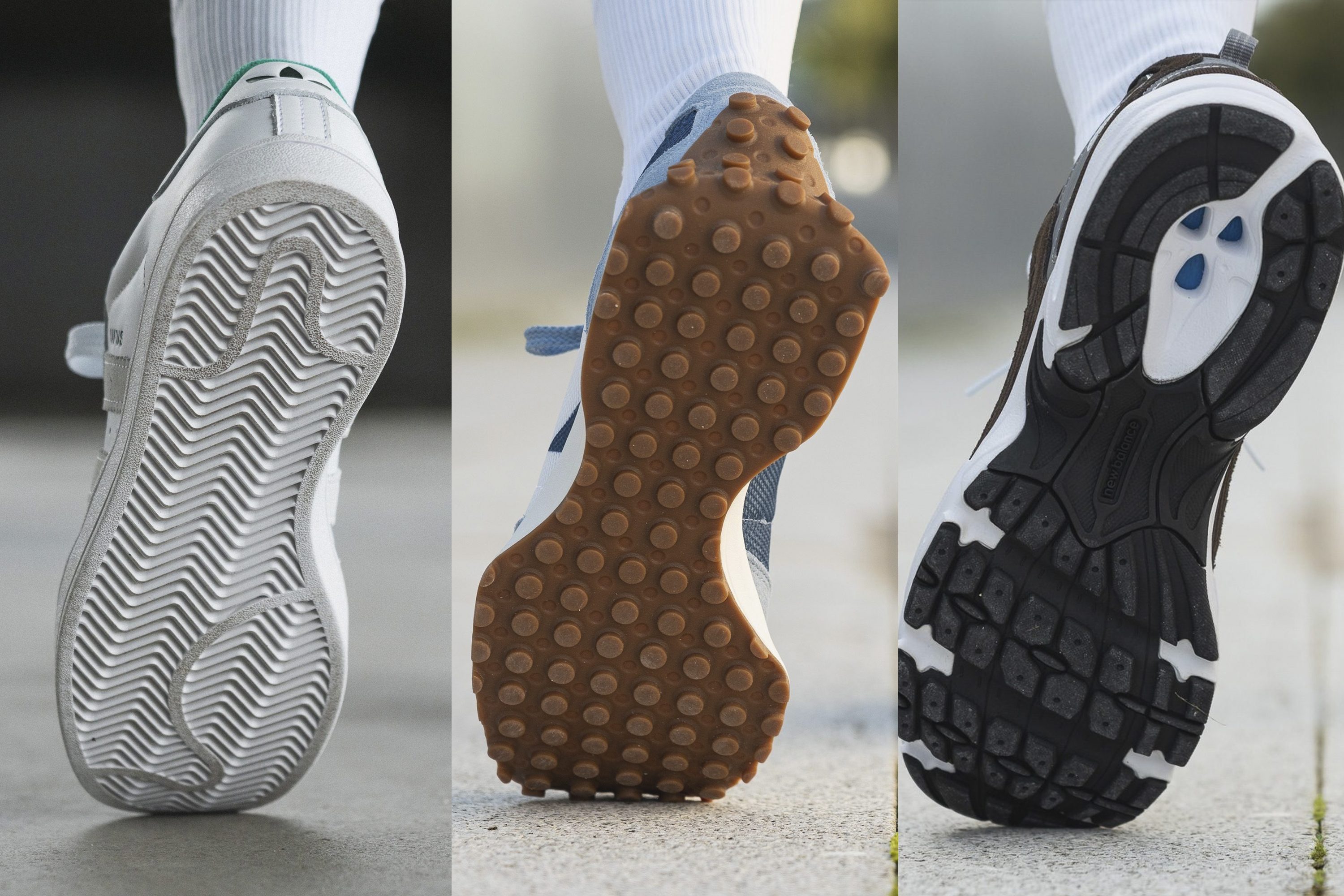
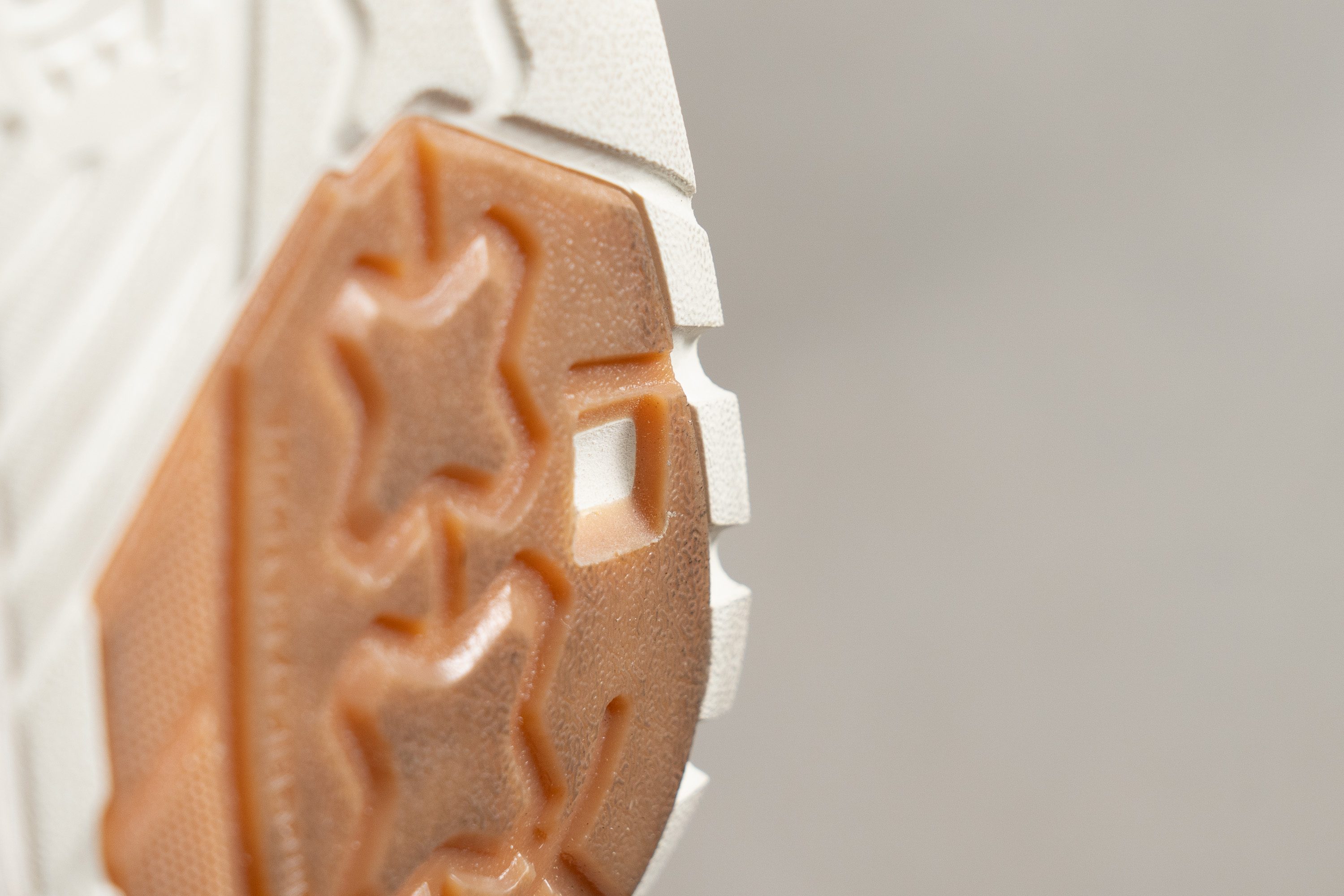
Looking at the bottom, we can see that outsoles look different and are made of different types of materials.
Durability and thickness of outsoles in sneakers with high traction
Let’s look at the durability test next. This one is important because the sooner you wear it out, the sooner you’re out of grip! Literally.
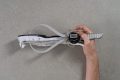
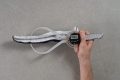
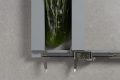
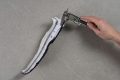
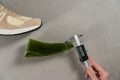
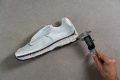
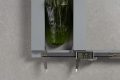
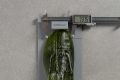
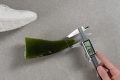
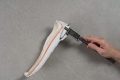
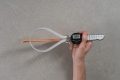
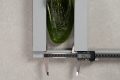
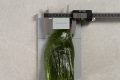
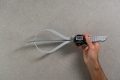
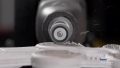
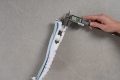
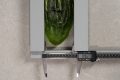
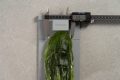
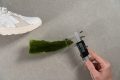
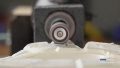
The damage varies and we measure it using the tire tread gauge. It tells us how deep the hole is; shallower hole = more durable outsole.
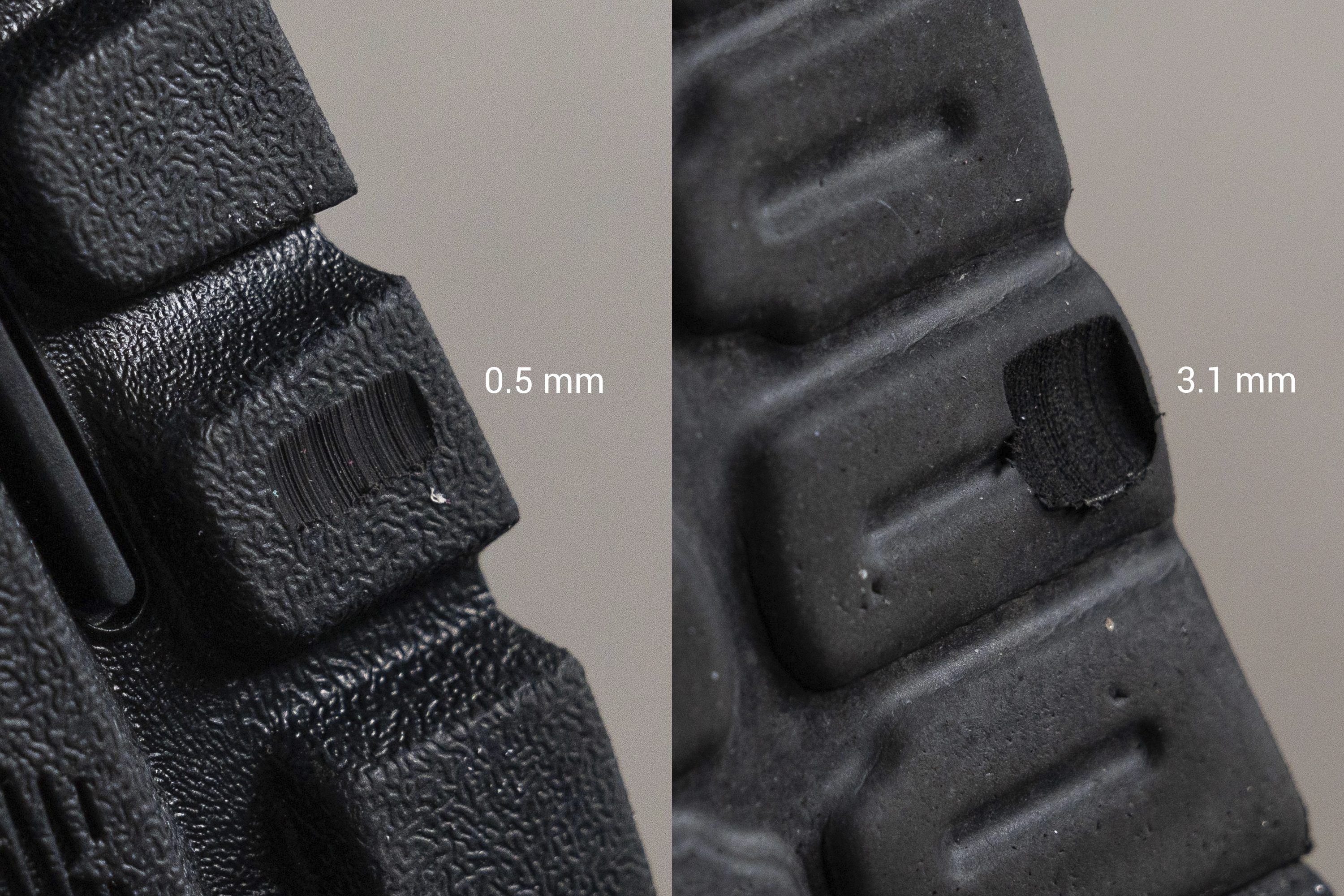
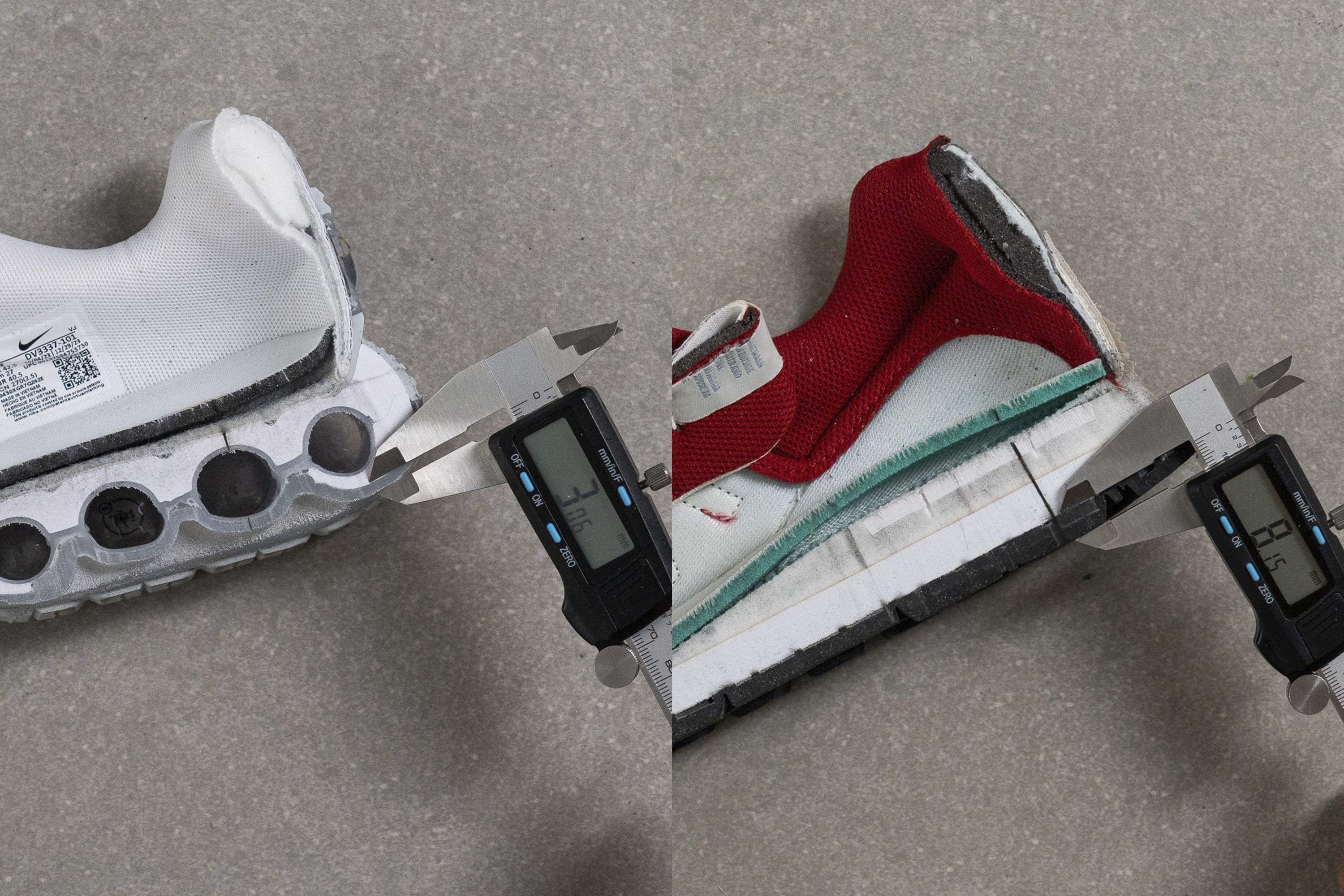
What we can see here is how important the outsole thickness also is! Thicker outsoles can withstand more damage before you get to the midsole (or any other layer), which offers no grip.
Even if the rubber is not that durable, it's best to look for a thicker layer.
Winter sneakers with high traction
It makes sense that you need sneakers that grip well because you actually plan to use them when it’s snowing or raining a lot. To keep your feet warm, we recommend looking for sneakers that scored low on our breathability test.
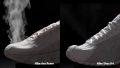
When testing the breathability, we pump the smoke into them and then watch how fast the smoke comes out, if at all. We rate this on a scale 1-5, where 1/1 is the least breathable or the warmest
Sneakers that scored 1/5 or 2/5 on this breathability test and that have a high traction score are a great choice for colder weather. The best selection of those waits for you below.
Prices of sneakers with the best traction
Traction is surely not the sole feature driving the prices higher lor lower. Many other technologies come into play. On average, sneakers with high traction do cost more than those with low traction, but it’s important to highlight that there are pairs that cost the same and are found in both groups.
At the moment of writing this guide, the average price of sneakers with high traction sits at $125.
Looking at the cheapest sneakers with high traction, it’s important to understand that MSRP (manufacturer’s suggested retail price) tells us how much the sneaker cost when it was released. And we are all fans of good discounts, so if you’re looking for those, head over to our Deal page!
Similar buying guides