5 Best Sprint Track Spikes in 2026

We buy shoes ourselves. We earn commissions when you buy through us, at no extra cost. Why trust us
Fast, snappy, and lightweight: these are the marks of a good sprint spike. But what else is out there? How to find the lightest one or the one with the widest toebox? Is there a sprint spike that's so breathable you will forget about sweating?
We tested it all. In the lab and on the track. As a result, we also highlighted the best of the best. For more curious ones, we explain every feature and lab test in detail in this guide.
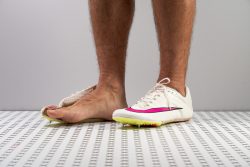
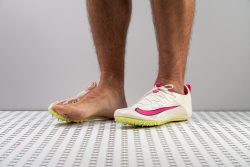
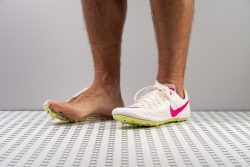
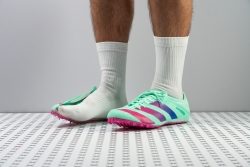
How we test sprint track spikes
Our choices for the best sprint spikes are based on rigorous testing. To stay objective, we:
- Buy the spikes with our own money. We don't partner with brands for freebies because we always publish everything we discover, however good or bad.
- Log multiple test runs in each shoe.
- Test the spikes in the lab. While personal experience gives us insights into details and overall functionality and performance of the spike, it is the lab data that allows us to compare different track spikes and describe them quantitatively.
- Perform various tests in the lab, including breathability, longitudinal stiffness, toebox width and height, etc. All our tests are standardized, which means all the track spikes are given identical treatment.
Best sprint spikes overall
















What makes it the best?
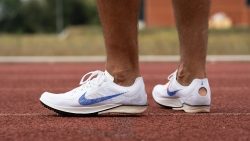
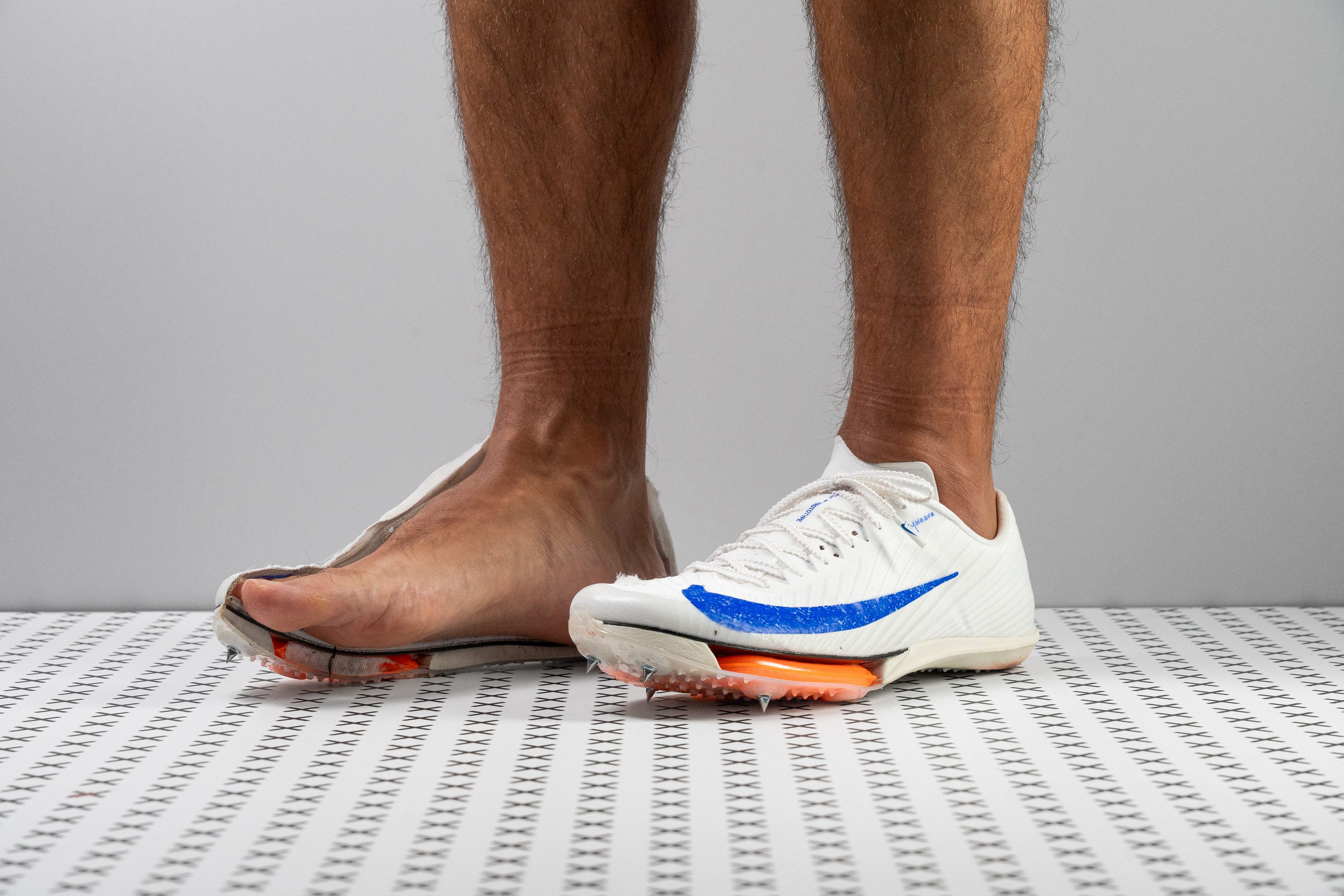
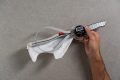
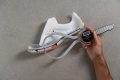
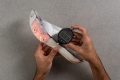
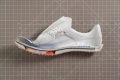
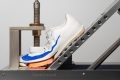
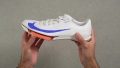
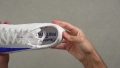
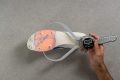
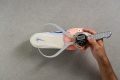
The Nike MaxFly 2 showed unmatched speed in our intense and flat-out efforts on track without foregoing comfort, making it our top sprint spike. Our lab verifies it has all the advanced technology to enhance speed while ensuring a light, steady, and comfortable ride. It’s undeniably one of the most aggressive spikes out there.
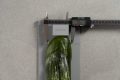
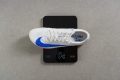
MaxFly 2 offers otherworldly responsiveness. It feels airy on foot with its 6.4 oz (181g) weight but feels way lighter because of its speed-enhancing features. The Flyplate is one of the stiffest we’ve tried, ensuring maximum energy return. Our flex test confirms it’s 80.2% stiffer than average.
The stiffness is balanced by the ZoomX foam in the heel and dual Air Zoom units in the forefoot, which dampens landing impact. MaxFly 2 features an aggressive set-up with its -2.0 mm drop that promotes powerful forefoot striking, perfect for 60-400m events.
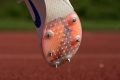
The spike plate is dotted with ultra-mini lugs for steady strides, allowing us to go all out. Meanwhile, the 6 forefoot spikes guarantee optimal traction, especially on speed curves.
Note that MaxFly’s 2 ride takes some time to get used to. We recommend easing into it with drills for better adaptation and injury prevention.
Pros
- Explosive ride
- Improved heel stability
- Enhanced midfoot design
- Dual Air Zoom units
- Premium materials
- Excels at anything below 800m
- Ready for hurdles too
- Stiff carbon plate
Cons
- Still not durable
- Heavier than previous version
- Steep price tag
Best track spikes for beginners
















What makes it the best?
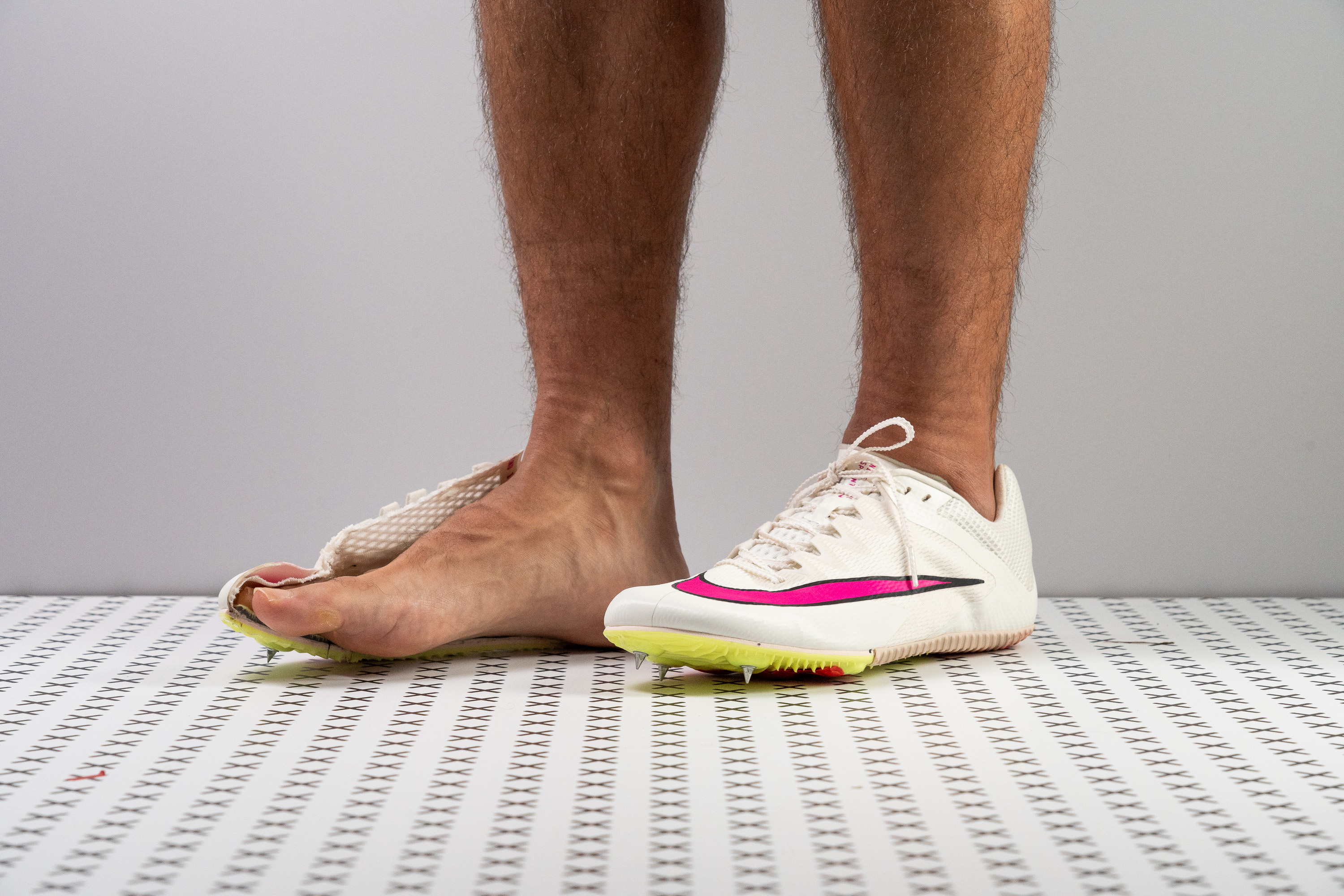
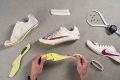
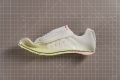
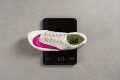
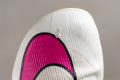
No spike can match Nike Rival Sprint’s flexible, durable, snappy, yet gentle construction—making it an excellent choice for beginners diving into track sprints. Other than its accommodating and comfortable nature, its $75 price tag is very accessible too.
A standout feature is the supportive midsole. Our 13.3/10.0 mm stack measurement creates a steep 3.3 mm drop, contrasting our nearly flat 0.7 mm lab average. This incline offers added support to our calves and tendons, particularly beneficial for newcomers on track.
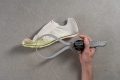
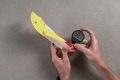
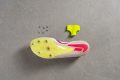
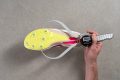
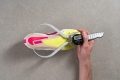
Underfoot, Rival Sprint showcases a robust 2.8 mm rubber outsole in the heel area, while the Pebax plate makes up the forefoot for dynamic toe-offs. With six removable pins, we felt confident to sprint through fast corners. Despite its plate, Rival Sprint feels comfortable with its remarkable flexibility, outperforming the average by 39.9%.
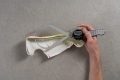
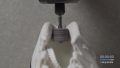
When we tested the upper, we were delighted with its comfort and ventilation, making it suitable for sockless use. In our smoke test, we rated it a perfect breathability score. Even against our Dremel, the toe cap defended the fort easily with a high 4/5 durability score.
Unfortunately, this spike is noticeably hefty at 6.1 oz (174g). Those who want to go faster with lighter spikes should look elsewhere.
Pros
- Pebax plate enhances toe-off
- Highly breathable
- Premium notched laces
- Affordable price point
- Roomy toecap area
- Suitable for hurdles
- Provides good stability
- Slightly cushioned
- Impressive durability
Cons
- Noticeable weight
- Possibly too flexible
Track spikes with the best track feel

















What makes it the best?
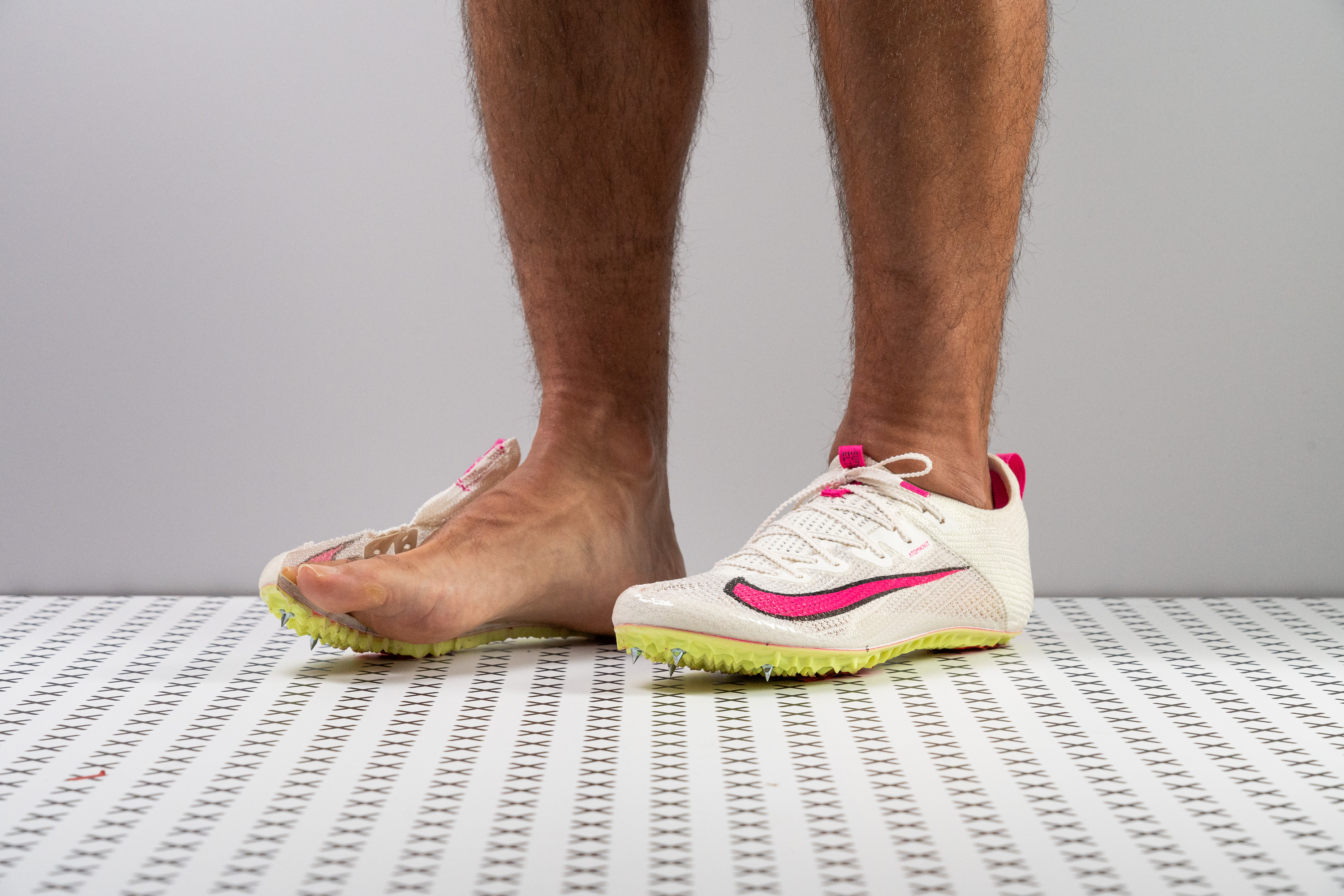
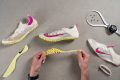
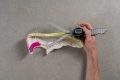
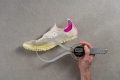
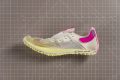
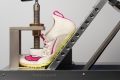
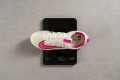
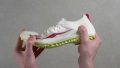
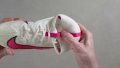
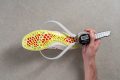
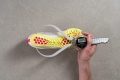
Among all the sprint track spikes we tested against hard efforts, Nike’s Zoom Superfly Elite 2 undoubtedly delivered the best track feel. It feels almost weightless on foot, but the ground connection, power, and speed it delivers are hard to ignore. This elite-level spike shines best in our 60m-400m sprints.
We experienced a different kind of energy with this lightweight and snappy spike. Our scales reveal a mere 5.5 oz (156g) build, attributed to its minimal cushioning. The insole and outsole mostly comprise the 12.3 mm heel and forefoot we measured. With an aggressive zero drop, this spike delivers the raw leg speed that some runners crave.
Underfoot, the sole has a honeycomb pattern with 8 removable stainless-steel pins that effectively grip the track. We had no slip issues even as we sped through corners. The outsole doubles as a plate, with its plastic nature allowing some flexion for smooth toe-offs, and is comfortable enough to go all-out until 400m.
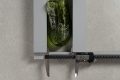
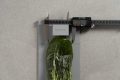
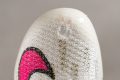
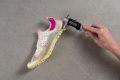
The upper feels delightful on top, hugging our feet with a breathable Atomknit upper, which our smoke test confirms with a 4/5 score. It fits like a glove with enough wiggle room in the big toe area that measures 75.0 mm vs. the 73.1 mm average.
Unfortunately, this elite shoe shines best at top speed. We recommend this spike for more advanced runners to fully enjoy its features.
Pros
- Snug, performance-oriented fit
- Premium design and materials
- Ideal for 60-400m sprints
- Suitable for hurdles
- Designed for raw speed
- Notched, Alphafly-like laces
- Lightweight build
- Enhances foot strength
Cons
- Demands superior technique
- Not cushioned
- Narrow platform
Best lightweight sprint spikes


















What makes it the best?
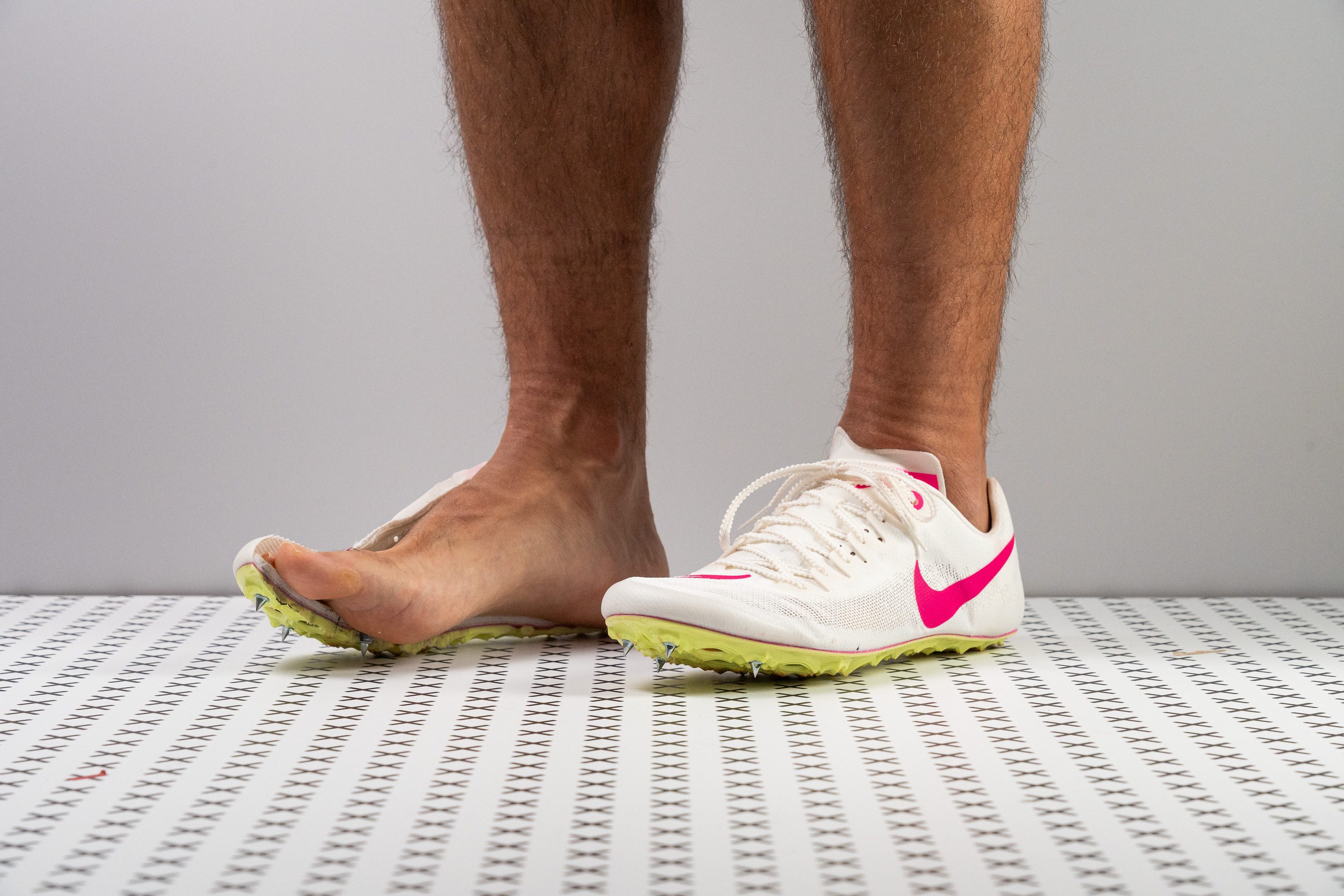
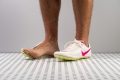
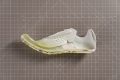
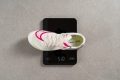
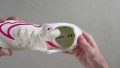
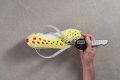
We tested sprint track spikes against hard efforts and found the Nike Ja Fly 4 to be the best lightweight in our lab. Besides its non-intimidating $120 price tag, it delivers raw speed and a more natural feel. Its exceptional flexibility, lightness, and grip generate effortless times on track.
We instantly felt this spike's remarkably low number on the scale and high ground feel on our feet. Our lab confirms it’s only 5.1 oz (145g) vs. the 5.6 oz (158g) average, attributed to its lack of rubber in the outsole which is made of 4.5 mm plastic instead.
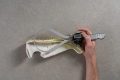
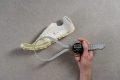
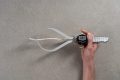
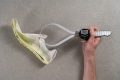
Additionally, we measured a humble 11.2/11.2 mm stack height and an authentic zero drop, perfect for developing leg muscle strength during 60-200m sprints. The low profile improves Ja Fly 4’s flexibility, allowing for our natural movement. In our manual twist assessment, the shoe freely gave in, earning the lowest 1/5 torsional rigidity rating.
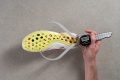
Conversely, our bend test tells a different story. At 15.1N, this Nike resisted more than the average spike (13.0N). This level of stiffness translates to some propulsion without the harshness of a carbon plate. Further enhancing our confidence on track is the grip delivered by the 7 removable pins underfoot.
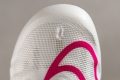
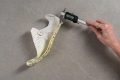
Unfortunately, we cannot recommend this to runners with wide feet because of the tightly snug upper. Our measurements show the toebox tapers quite aggressively too.
Pros
- Lightweight design
- Removable pins
- Cost-effective choice
- Comfortable tongue
- Enhances foot strength
- Ideal for 60-200m sprints
- Notched laces
- Above-average durability
Cons
- Limited breathability
- No midsole
- Extremely narrow upper
Best budget sprint spikes















What makes it the best?
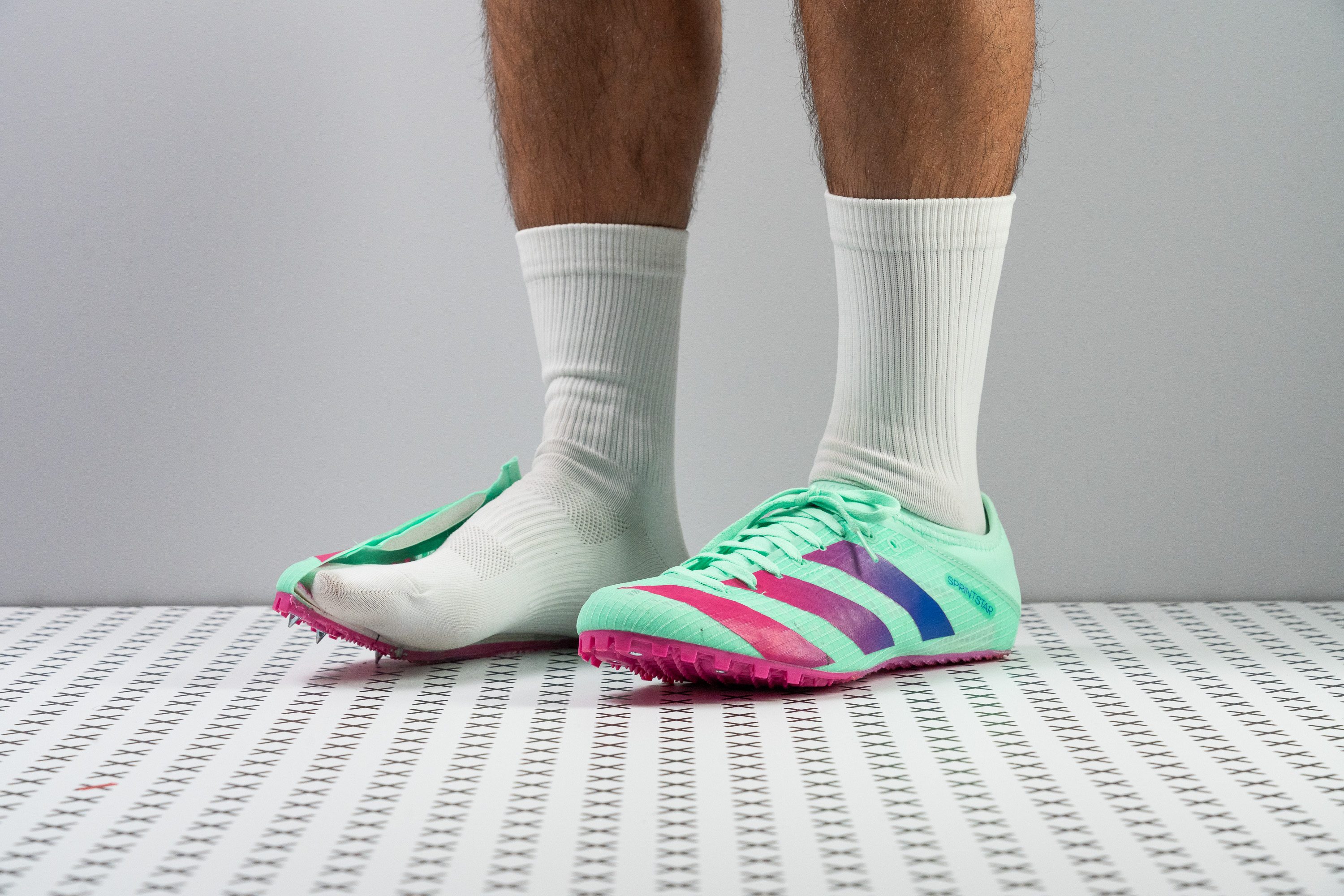
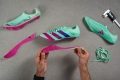
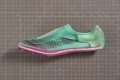
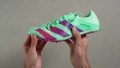
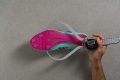
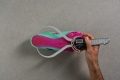
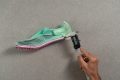
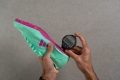
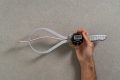
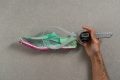
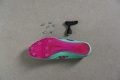
We tested sprint track spikes against hard efforts and found Adidas Sprintstar to be the most budget-friendly. For an affordable $70 price tag vs. the $117 average, it delivers raw speed and power and a more natural feel. It’s a great entry-level sprint spike that also promises a long lifespan due to its impressive durability in our lab.
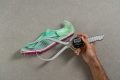
We instantly felt the remarkable ground feel this spike delivers, perfect for developing leg muscle strength during 60-400m sprints. Its humble 10.4/8.6 mm stack height enhances an authentic barefoot experience.
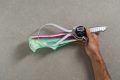
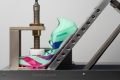
Furthermore, the absence of a carbon plate in the midsole enhances its flexibility, which allows for our natural movement. Our bend test confirms its gentle nature when it emerged 48.6% more flexible than average.
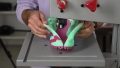
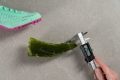
Impressively, despite its budget-friendly price, its durability is outstanding! Extensive testing showed minimal signs of wear, with both the toebox and heel resisting our rigorous Dremel. The outsole, measuring a robust 88.0 HC and 1.1 mm thicker than average, promises it will last long.
Unfortunately, the upper lacks ventilation which may lead to hotspots and blisters. We couldn’t wait to take the shoes off on warmer days.
Pros
- Excellent track grip
- Ultra-padded tongue
- Unbeatable value
- Removable pins
- Ideal for novices
- Exceptional ground sensation
- Solid durability
Cons
- Zero cushioning
- Poor ventilation
- Requires strong feet
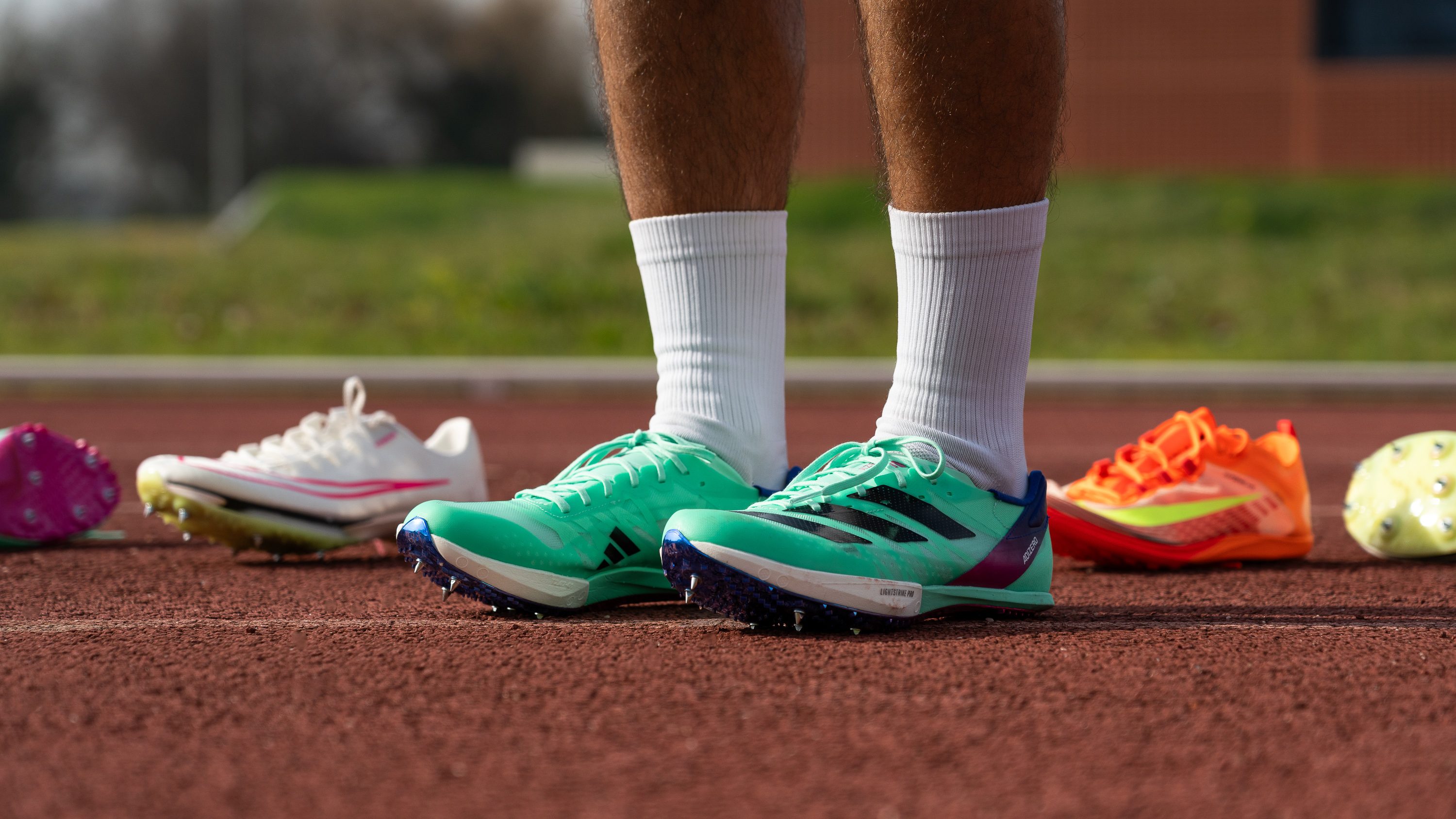
Sprint track spikes are used for sprint distances. The brands usually tag them for 60-400m efforts. Previously, we’d thought that these spikes should be lighter and less cushioned than distance spikes, but things have changed thanks to the new technologies and super spikes. What we know based on our lab is that they are 2x stiffer than distance spikes!
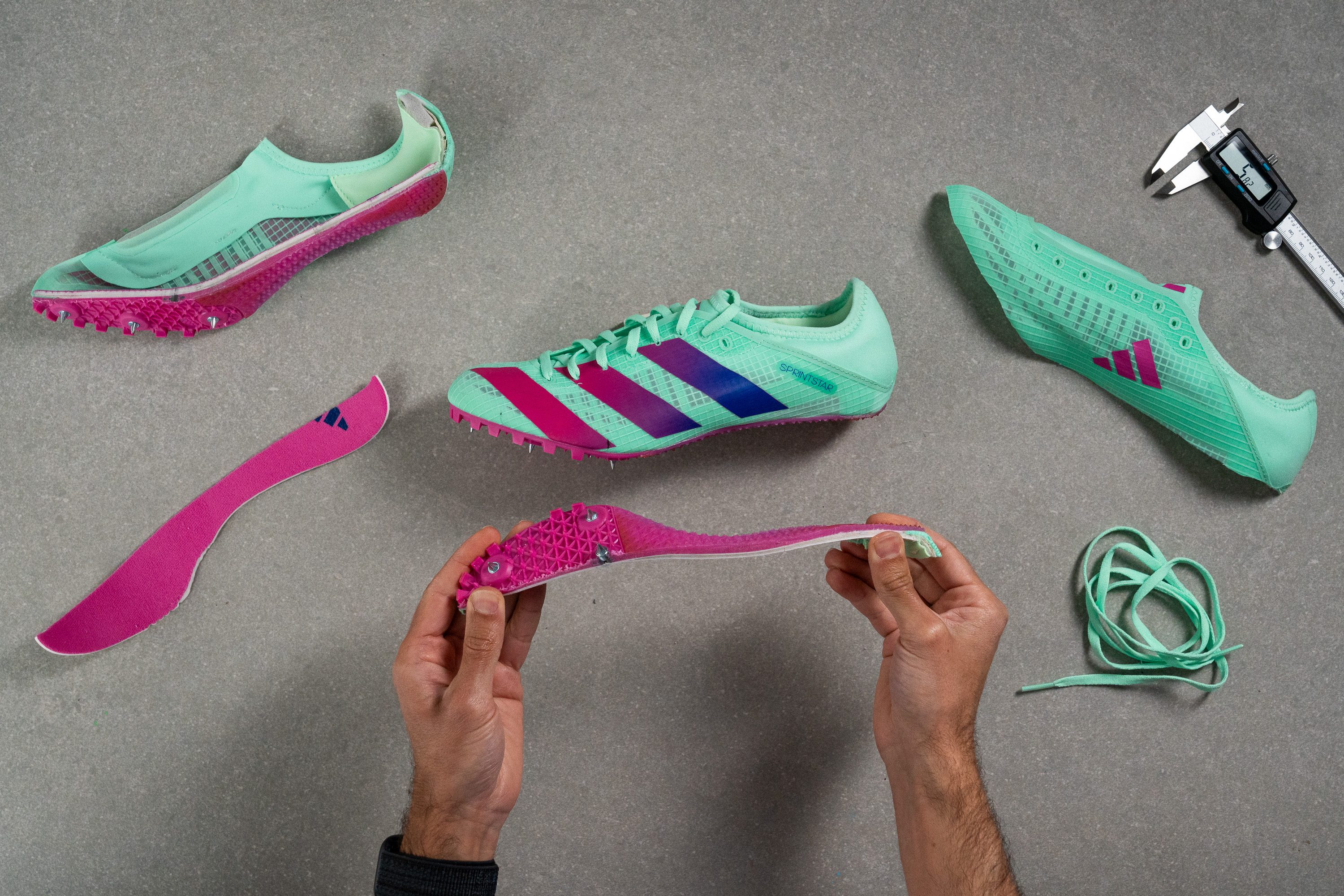
We now have resilient foams that can offer higher stack and significantly more explosiveness; we have carbon-fiber plates that changed the game, coupled with resilient foams, and all of this has blurred the line between features for sprint and distance spikes.
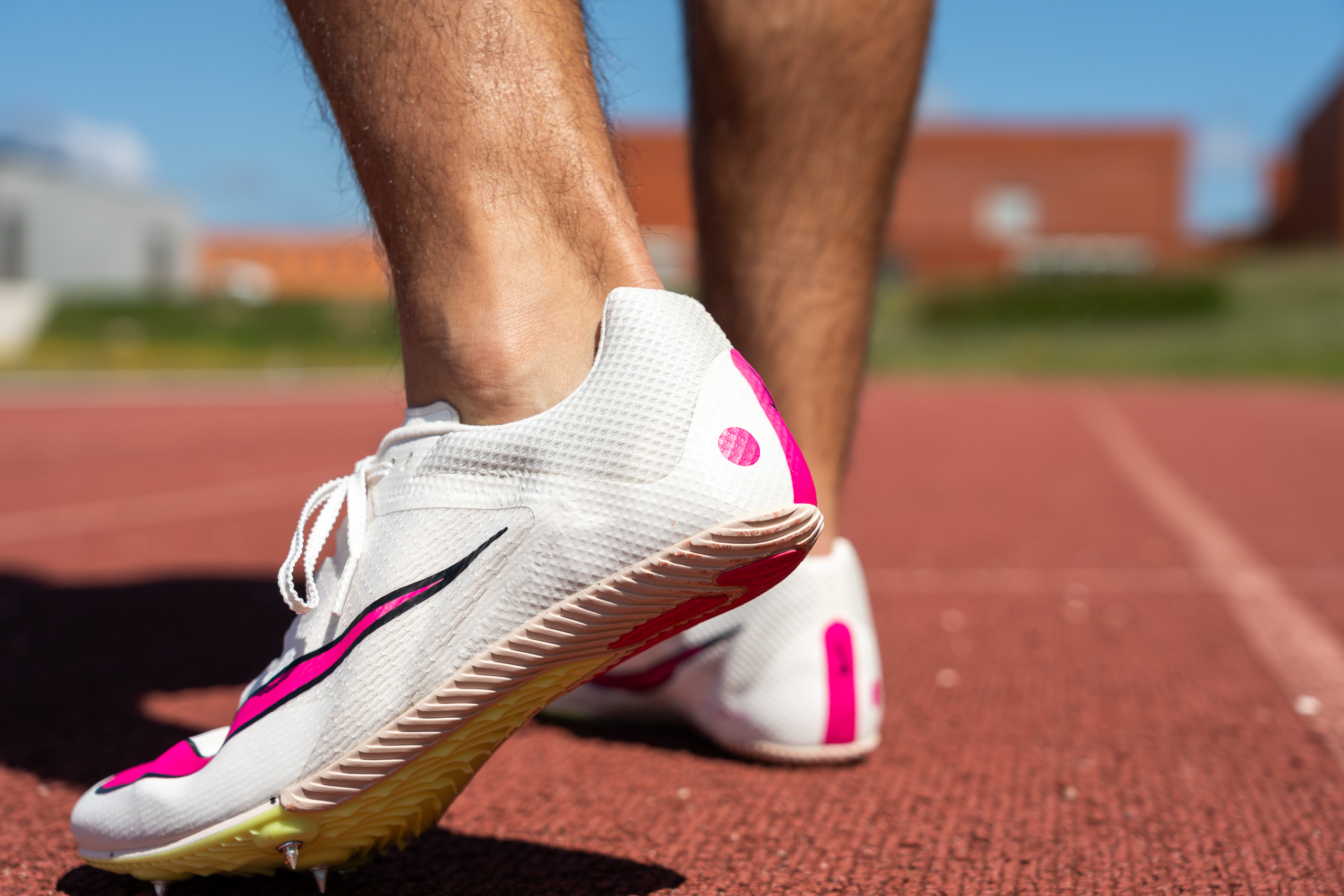
Still, we will look into the most important features and help you find the sprint spike that offers exactly what you need.
Cushioning in sprint track spikes: lab data
Sprint track spikes are very low to the ground. Let’s look at the numbers.
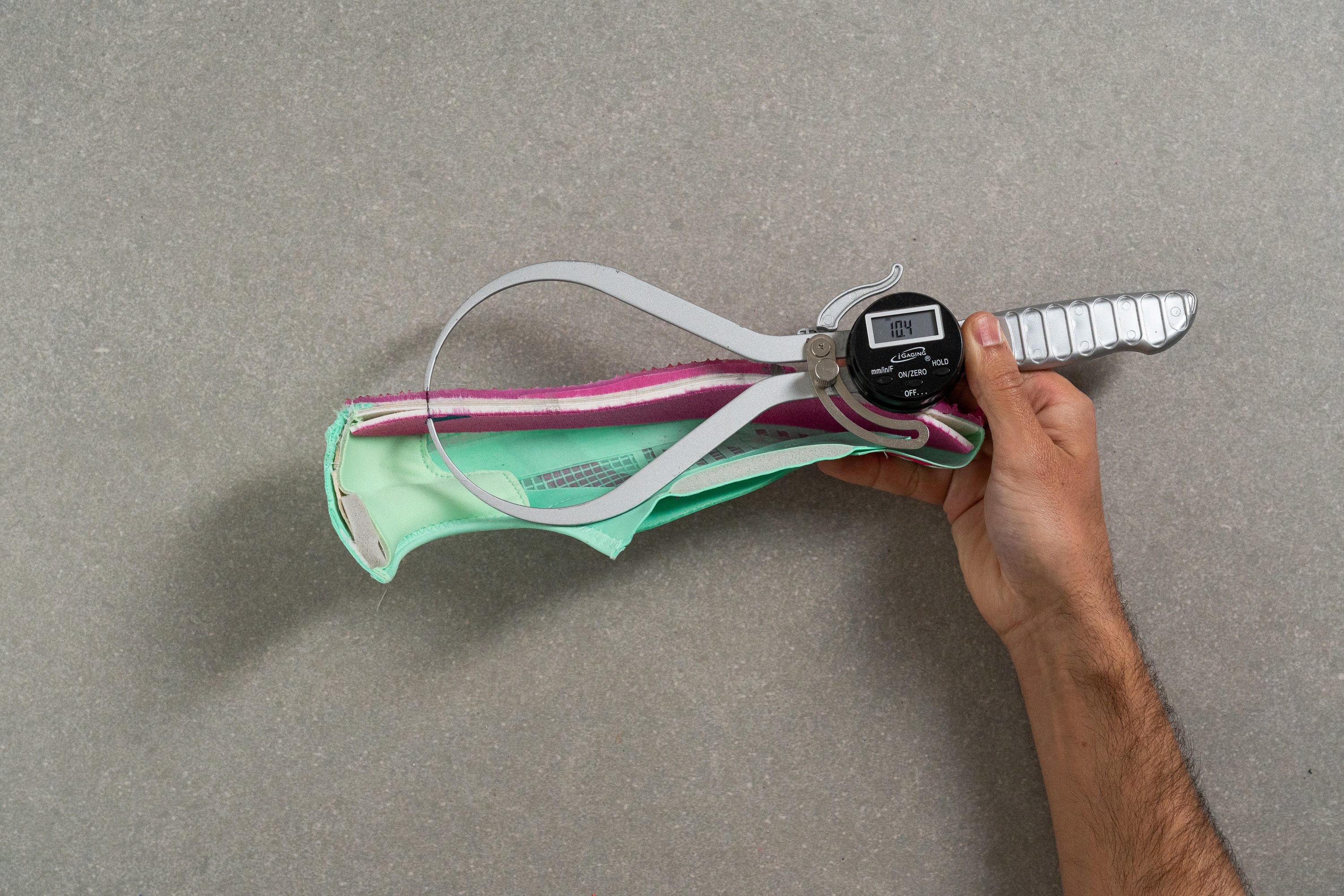
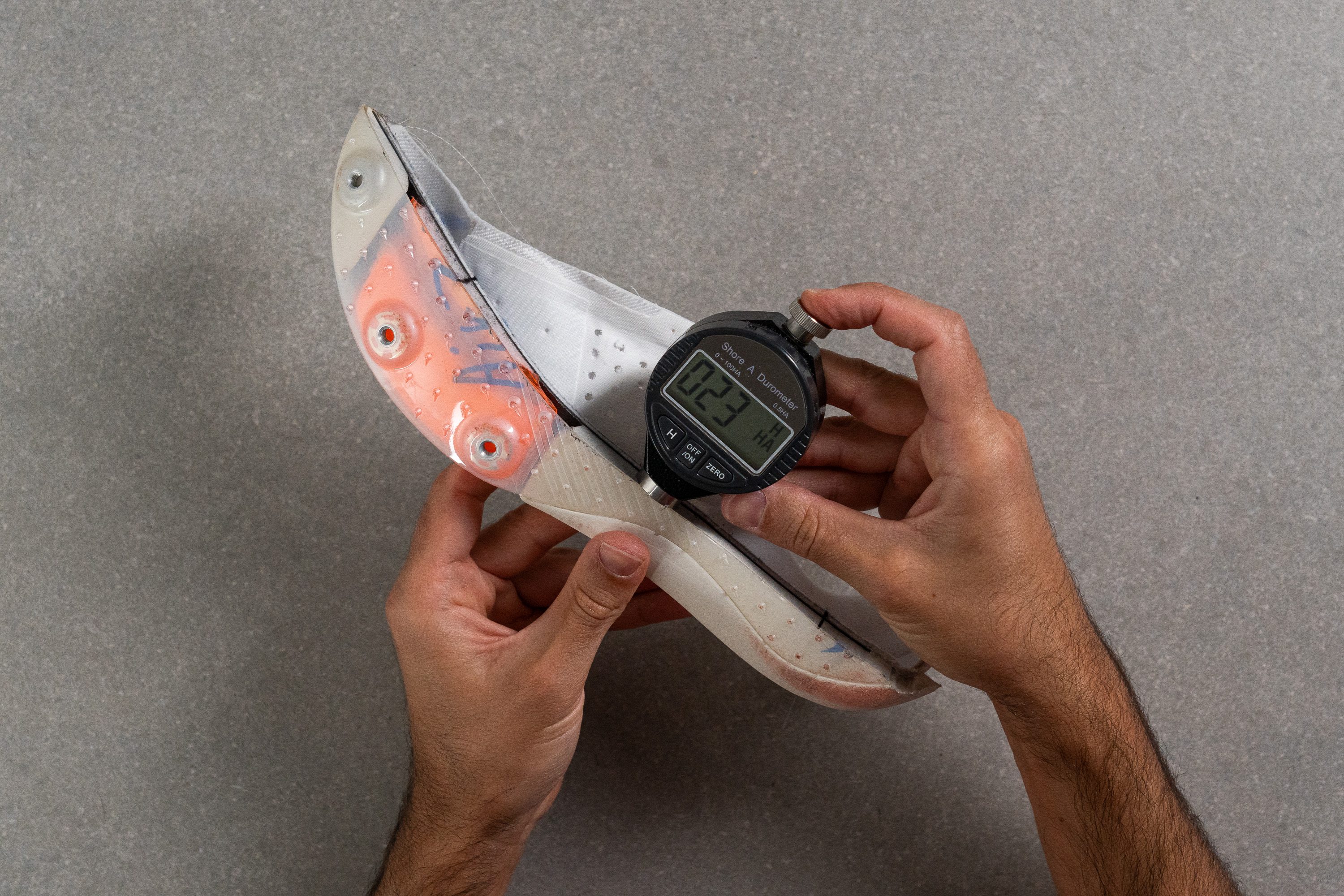
There’s obviously not a lot of cushioning in track spikes; when there is some, we measure how soft it is.
What also influences how the track spike feels is the insole. And the insole thickness varies.
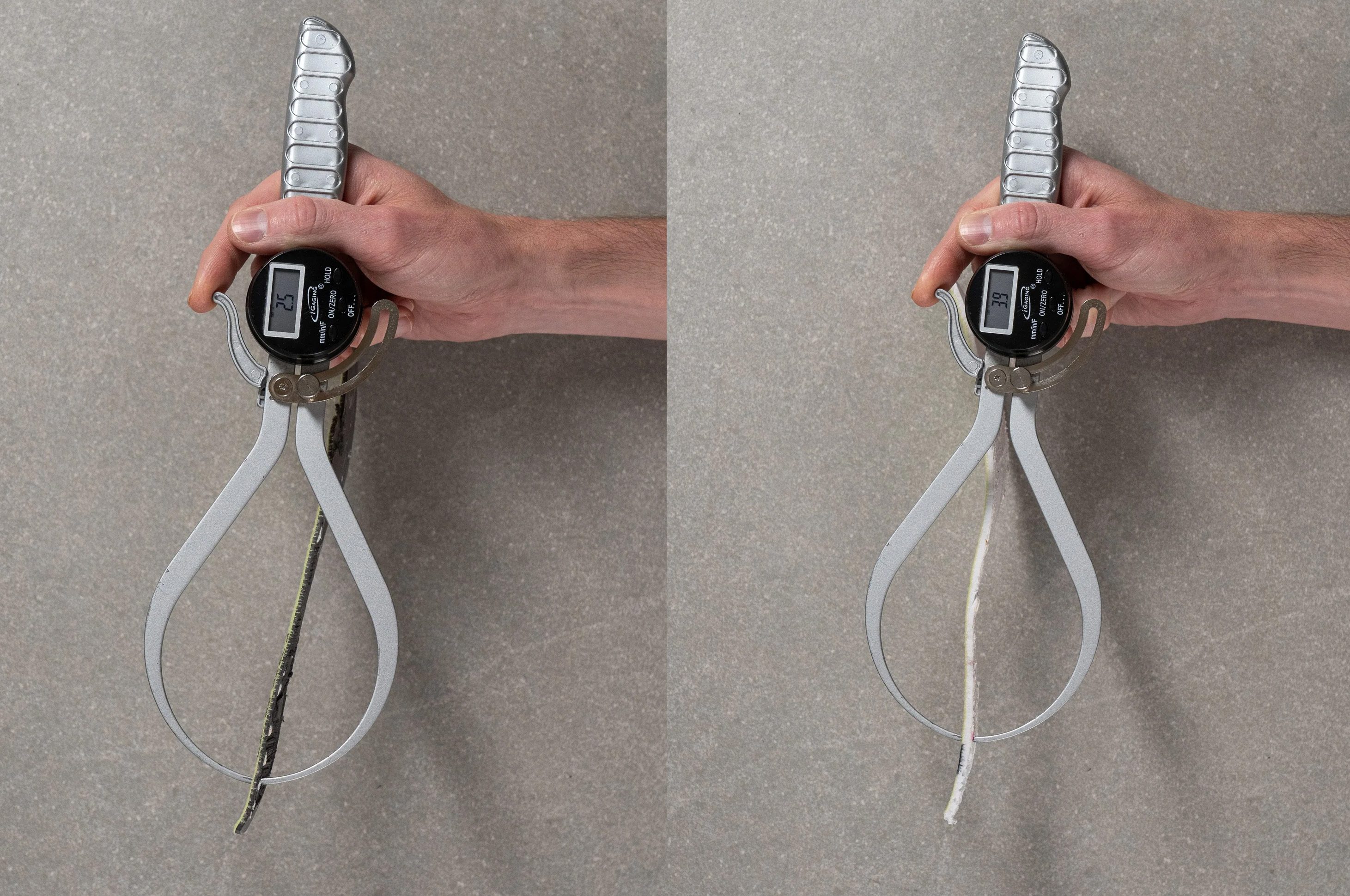
Stiffness of sprint track spikes
We know spikes are stiff, but many weren’t thinking about how stiff until carbon-fiber plates hit the news. We know plates add more stiffness, but are spikes then too stiff? Let’s see.
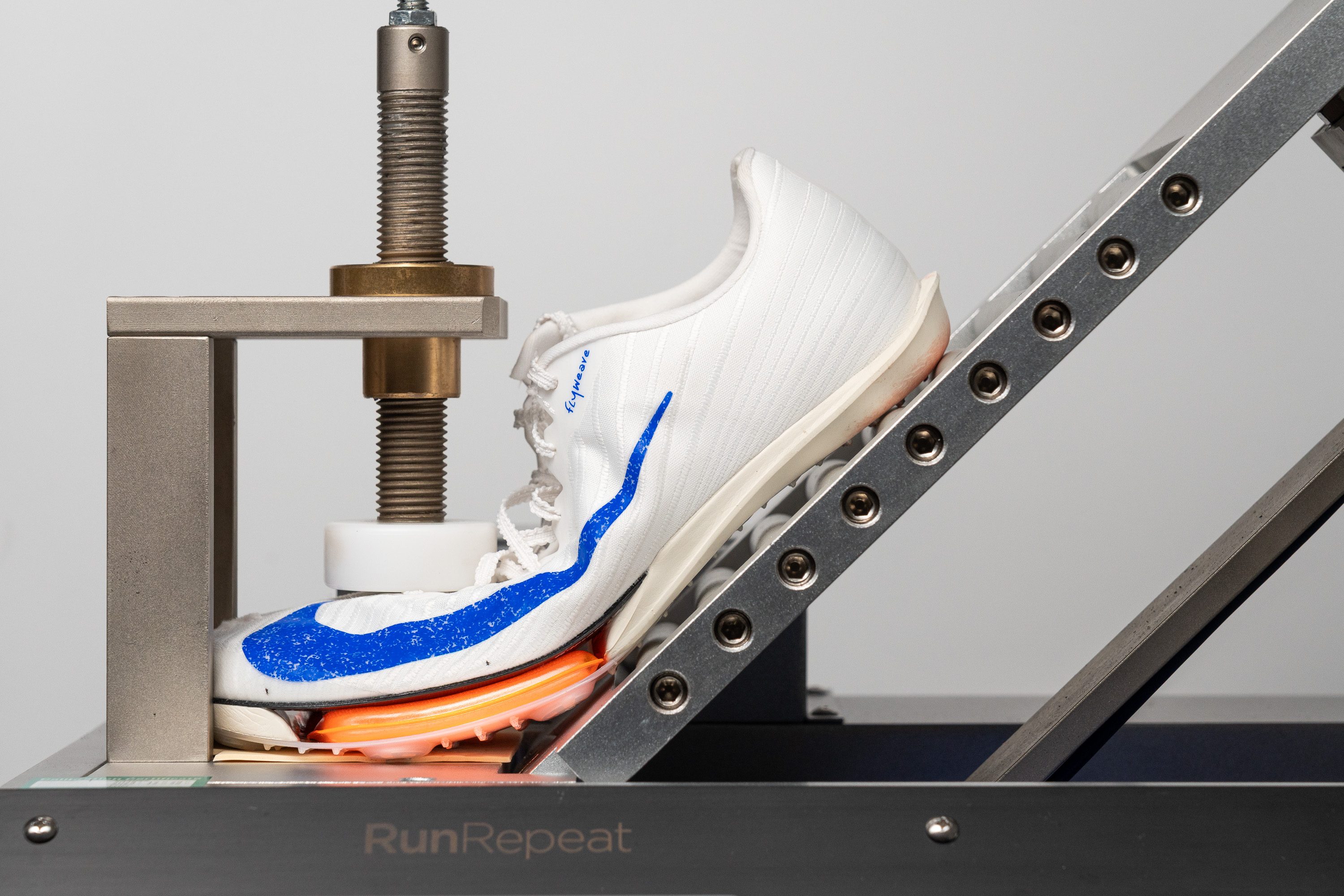
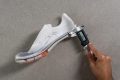
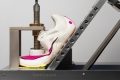
More flexible platforms allow for a more natural feel, and stiffer ones are often more explosive. Looking at the numbers, sprint track spikes have an average stiffness of 18.6N, while distance spikes average at 8.8N. It must be noted that all race shoes considered here feature a carbon-fiber plate!
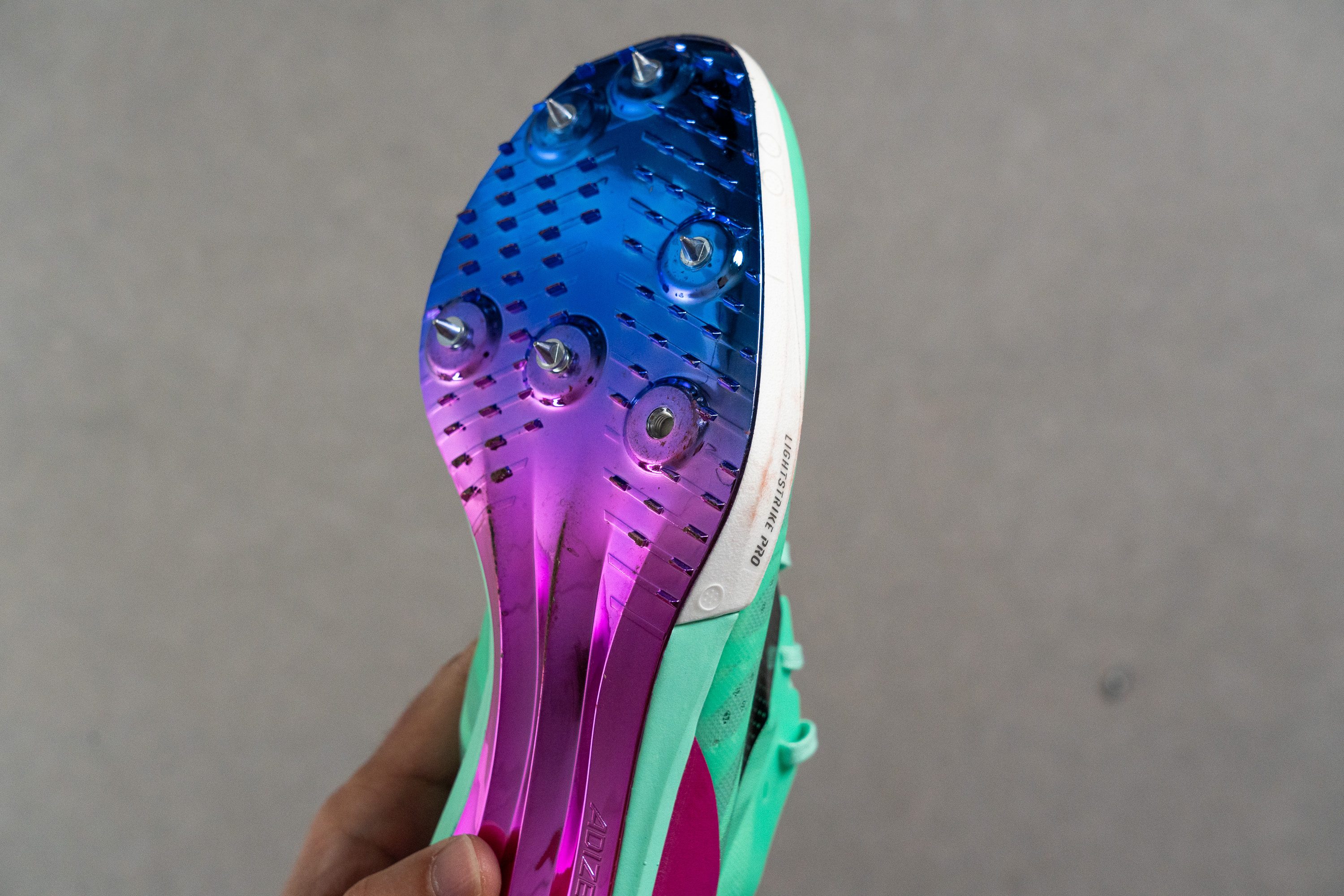
How lightweight can sprint spikes be?
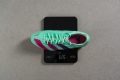
Very! For comparison, the average weight of comparison running shoes is 7.1 oz (201.7g), while sprint track spikes average at 5.5 oz (155.5g).
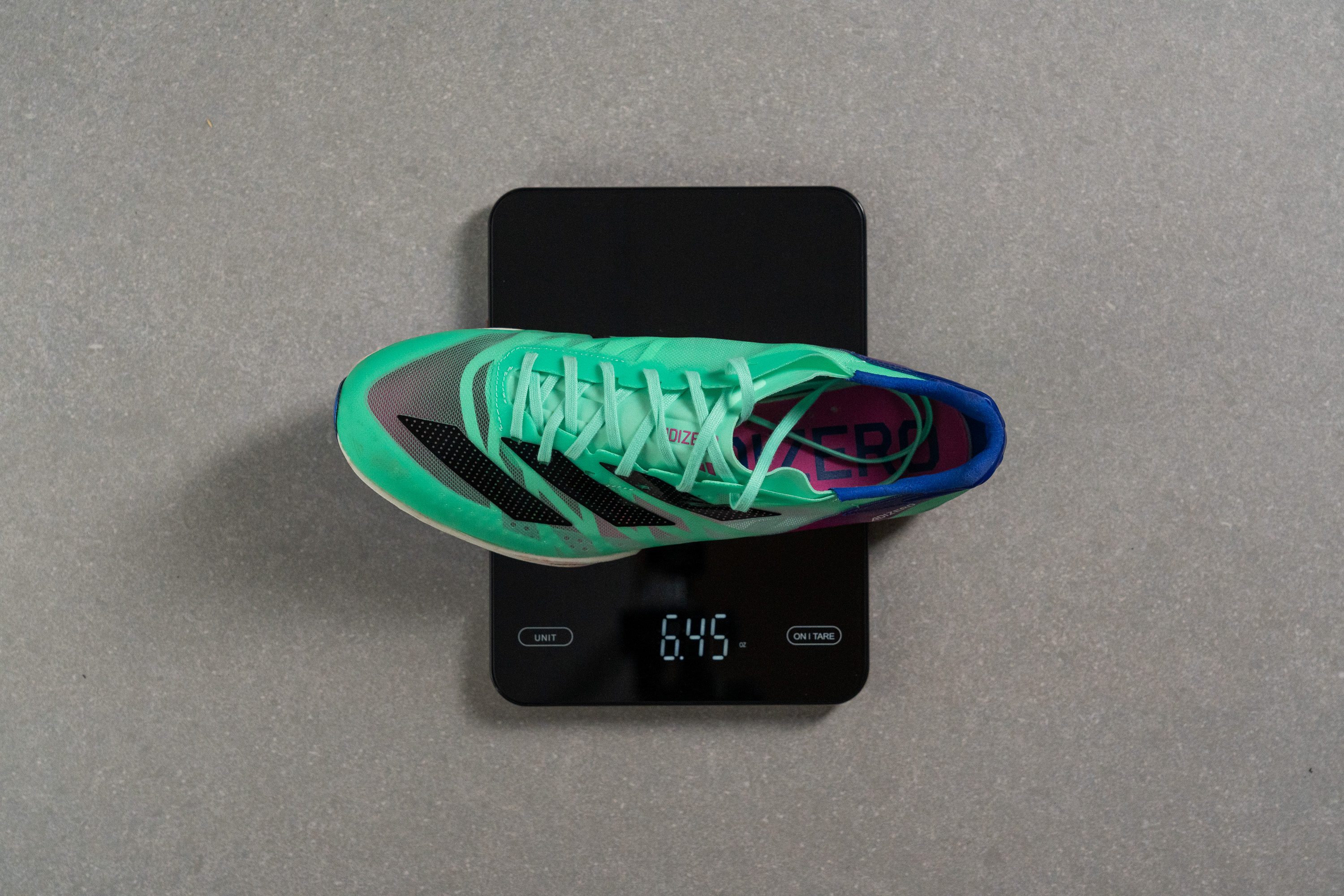
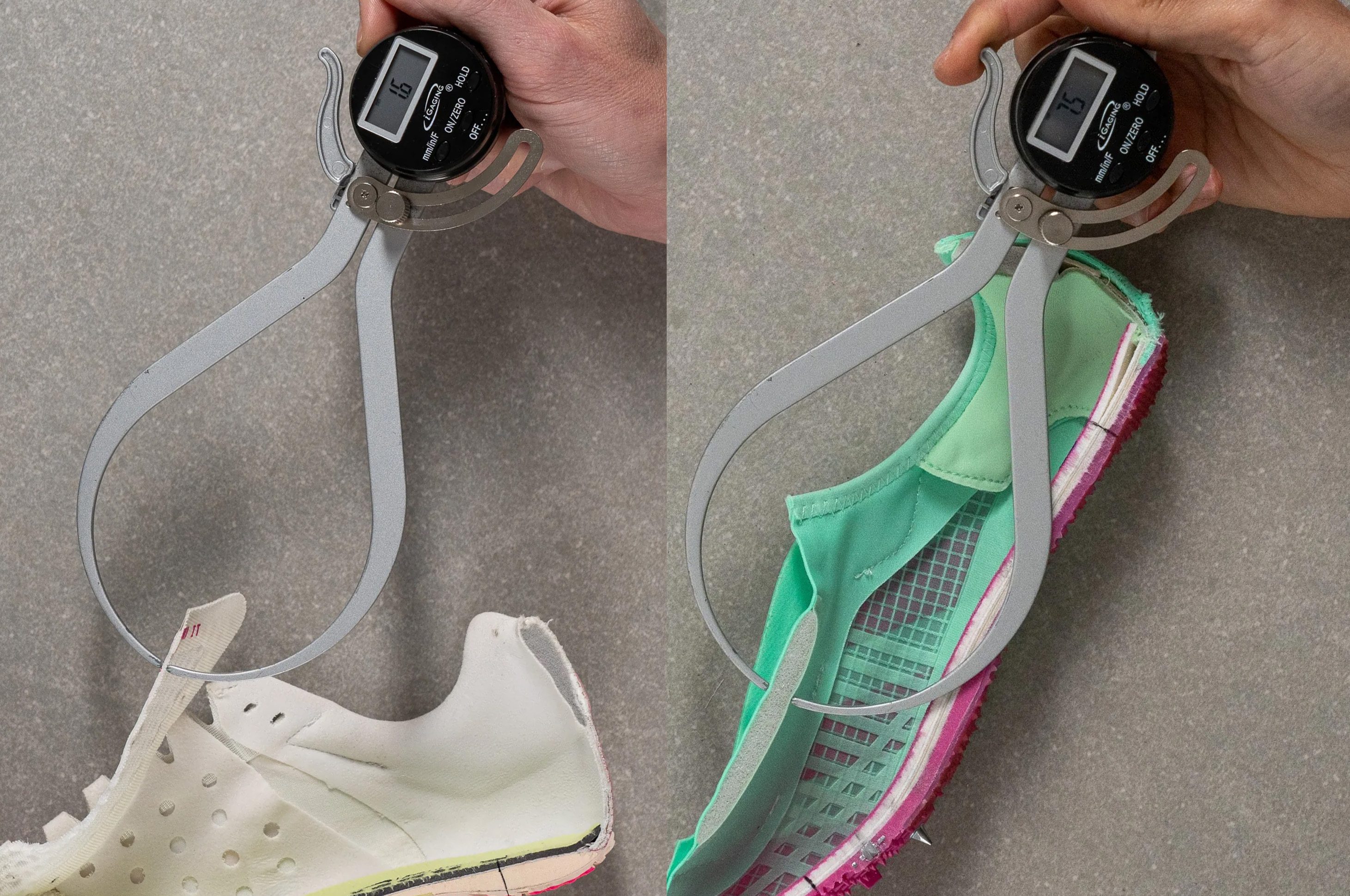
What you might also notice is that some spikes have thicker tongues. While this doesn’t help with weight cutting, it does prevent a lace bite, which is why many athletes are willing to make the sacrifice. The proper fit in track spikes means a tight, aggressive fit, so tightening the laces can cause pain to some, and they usually go with thicker tongues.
Nailing the toebox fit in sprint track spikes
When we talk about running, we usually cover the basics: you can withstand an aggressive fit when you’re doing very short distances, but the longer the run is, the more you need room. Feet swell over time (run), so we never recommend tight toeboxes for long distances. Sprints are very short and ask for the most aggressive fit.
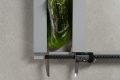
That’s why we see a significant difference in shoe width: in road running, the average shoe width is 95.1 mm, while in track and field it’s 88.4 mm. Toeboxes are closer to each other, with running at 73.3 mm and track and field at 71.3 mm.
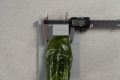
We are able to tell you exactly how wide the sprint track spikes are thanks to our special formula that allows us to make a gel mold of the spikes’ interiors.
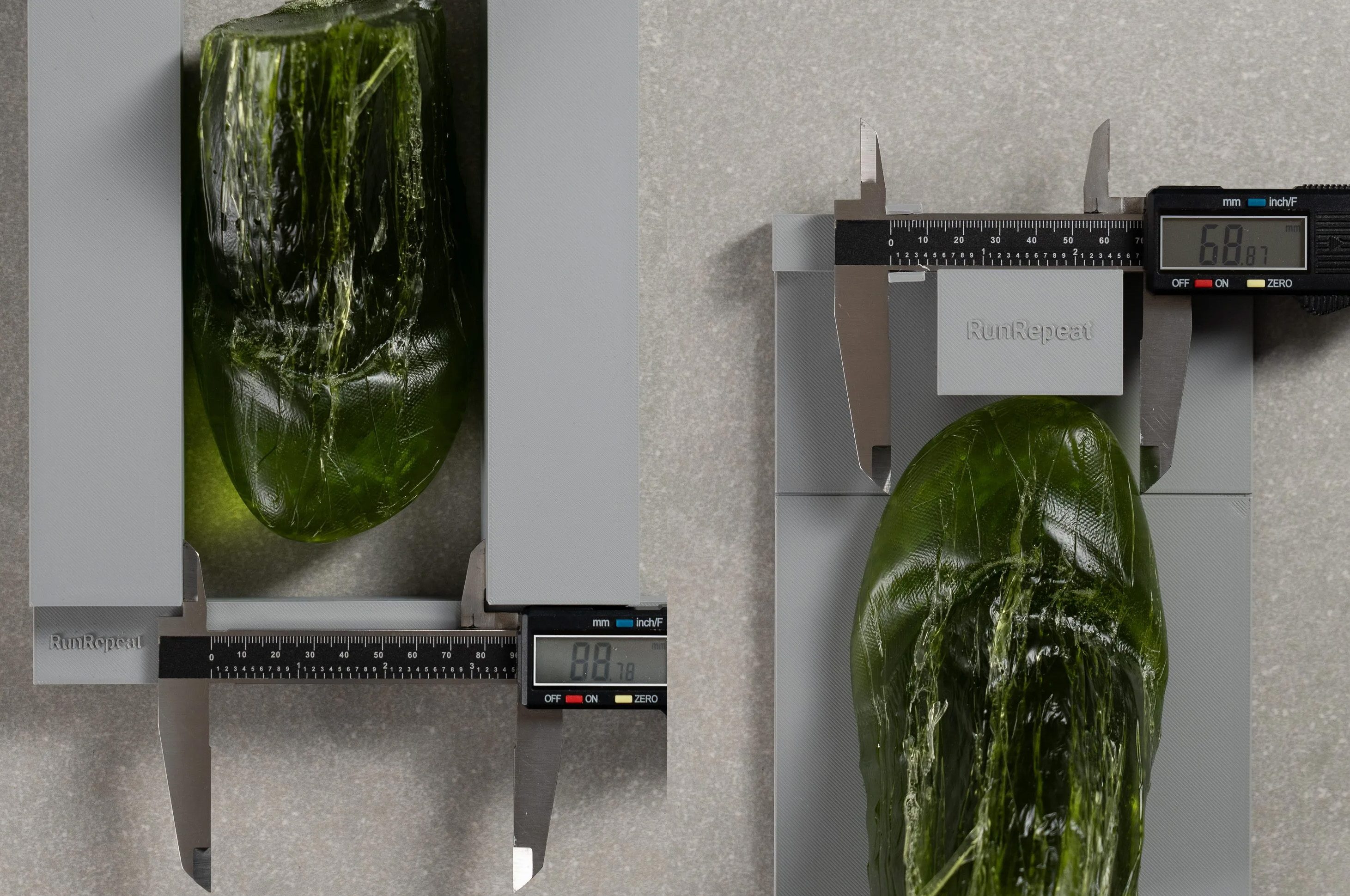
Knowing the shape of your feet, you can easily filter for spikes that offer more room where you need it. And, if your toes are high-volume or your big toe is pointing up, we covered that as well.
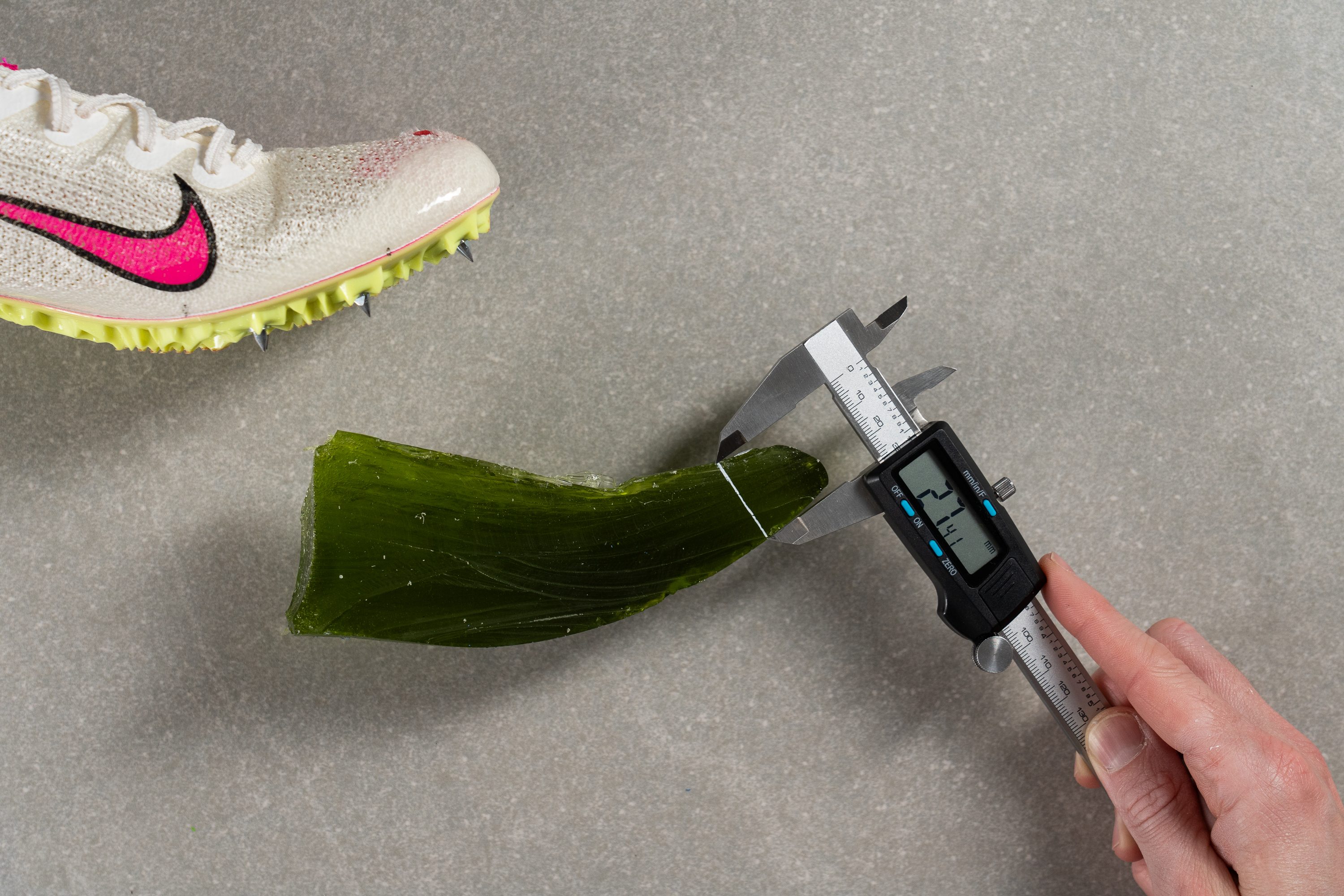
We measure the vertical clearance as well.
Breathability of sprint track spikes
Thinking of sprint track spikes most likely means imagining see-through uppers because of the very aggressive and very short efforts done on the track. However, that’s not always the case and we did see a few not-as-breathable sprint spikes in our lab.
To test the breathability of sprint spikes, we pump the smoke into the toebox and watch whether it comes out and, if yes, how fast. Based on this, we assign each sprint spike a 1-5 breathability score, where 1/5 is saved for basically no smoke coming out and 5/5 for very breathable uppers.
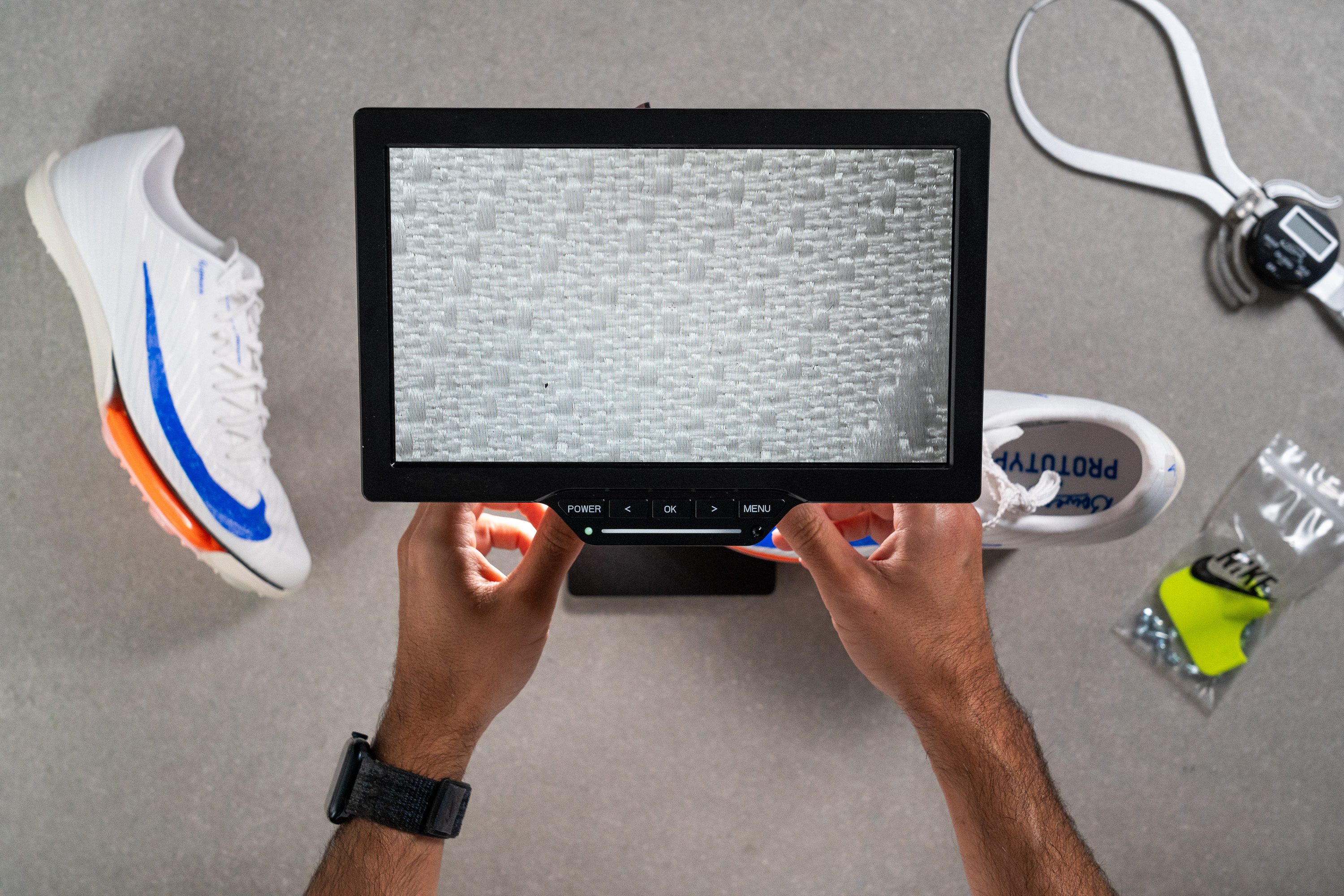
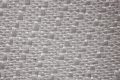
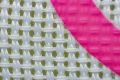
We then look at the upper up-close under the microscope. This often reveals details we’re not aware of or context for the certain breathability score seen above.
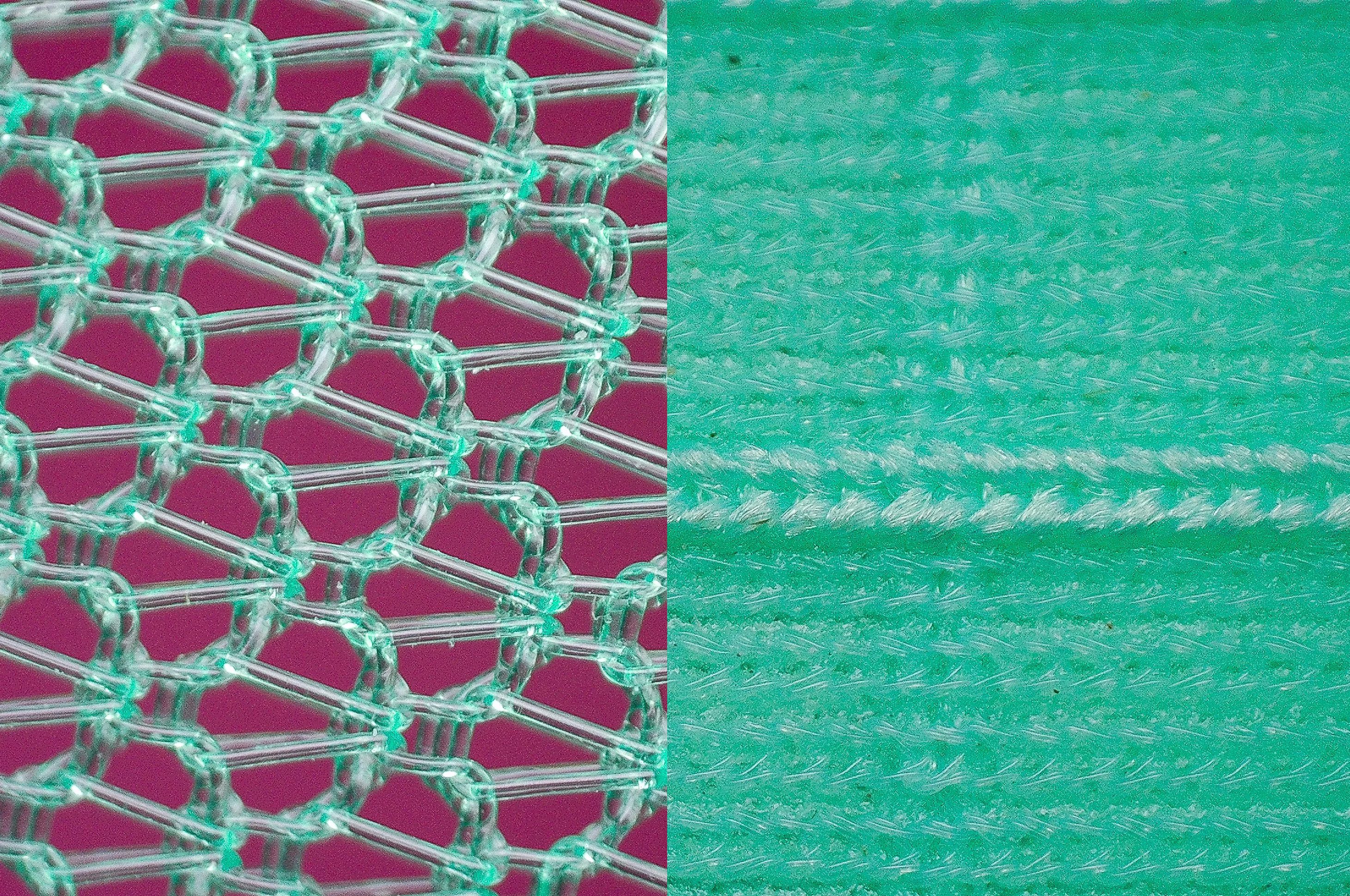
How to find durable sprint spikes
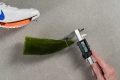
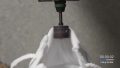
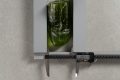
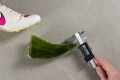
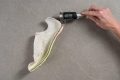
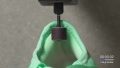
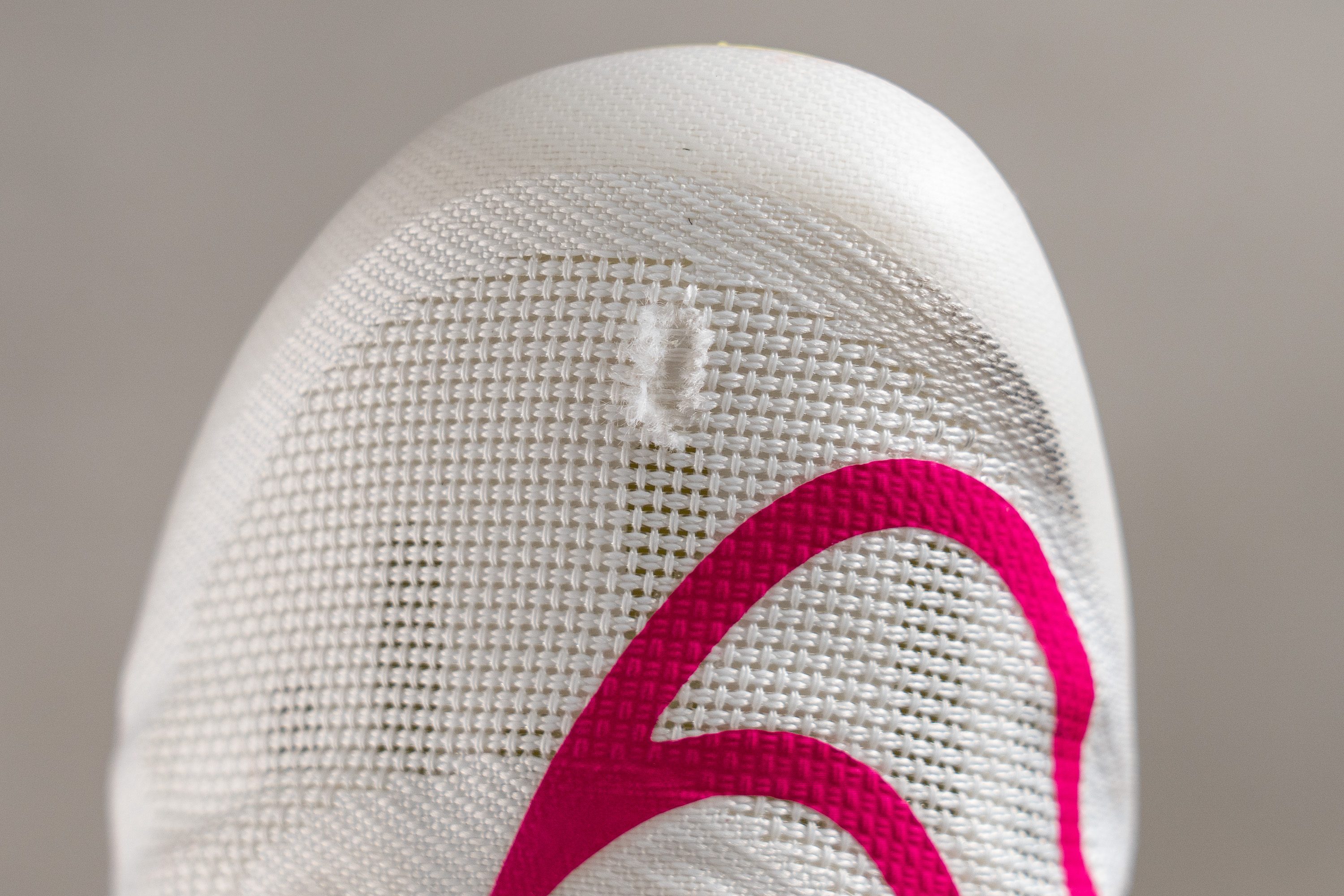
By looking at the lab data, of course! We test the durability of the toebox and of the heel padding in our lab. For both, we use a Dremel. The tests are sandardized which means we always apply the same pressure, time duration, and RPMs (rotations per minute).
Then, we assess the damage and assign a durability rating on a 1-5 scale: 1/5 for the least durable and 5/5 for the most durable. The toebox in the video above scored 5/5.
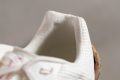
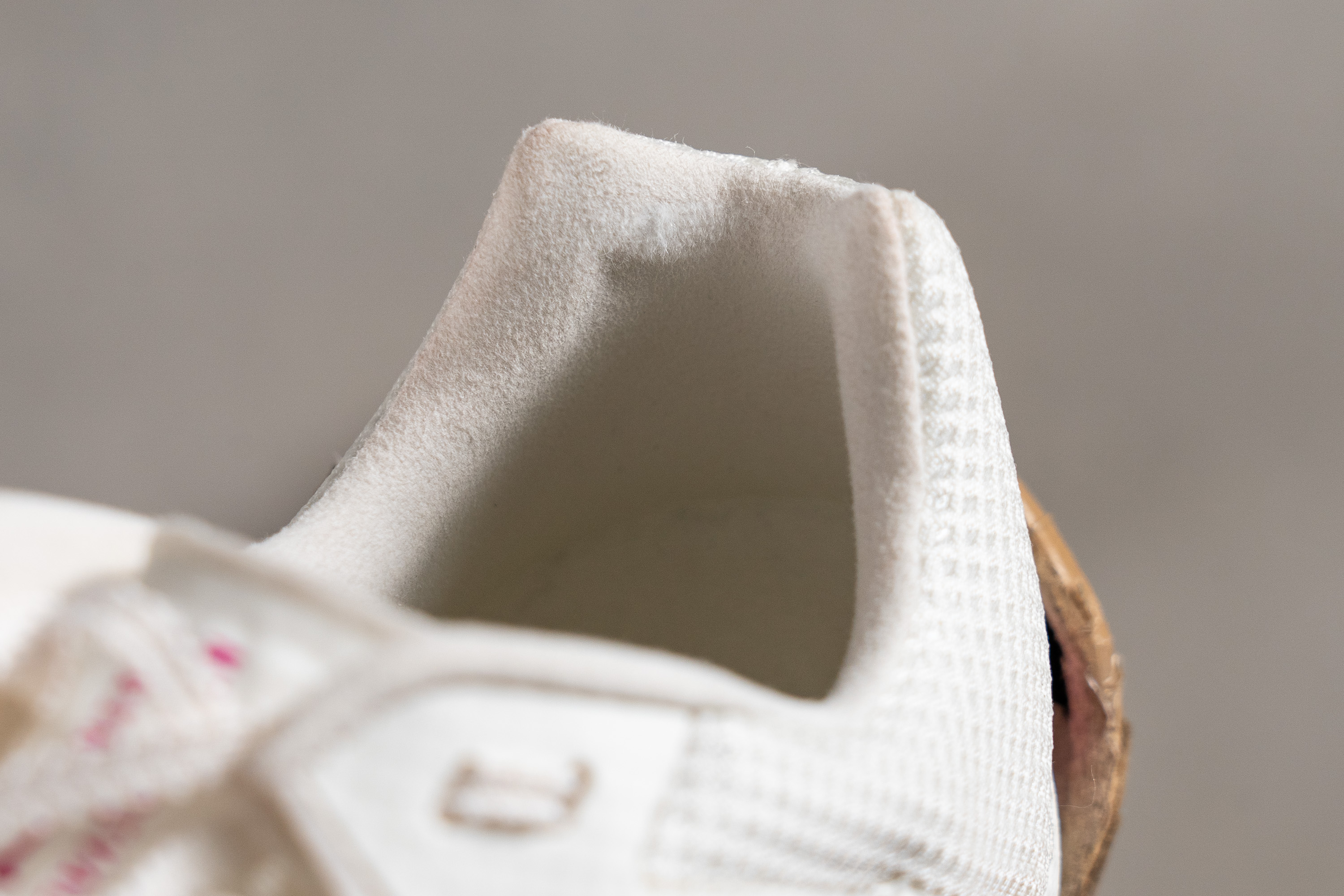
Dremel really got serious with the heel padding above! The result: 2/5 rating. This is not a good durability rating and we would not recommend it to athletes who get premature wear and tear in this area.
You can find the most durable sprint track spikes by finding the highest values in the table below:
Do you need a super spike?
In sprint distances, we’re seeing elite spikes like Nike Ja Fly 4, but super spikes have so far been documented as mid-distance and long-distance spikes. We’ve seen studies on super spikes (distance only) in a study that showed athletes can be 2.1% and 1.6% faster in super spikes (Bertschy et al., 2025), in a study that looked at race results and the effects of super spikes on them (Needles, Grabowski, 2024), and a research on biomechanical changes when using super spikes (Geisler, Hanningan, 2024).
Similar buying guides